Why Routine Vehicle Maintenance Saves You Money Over Time
TS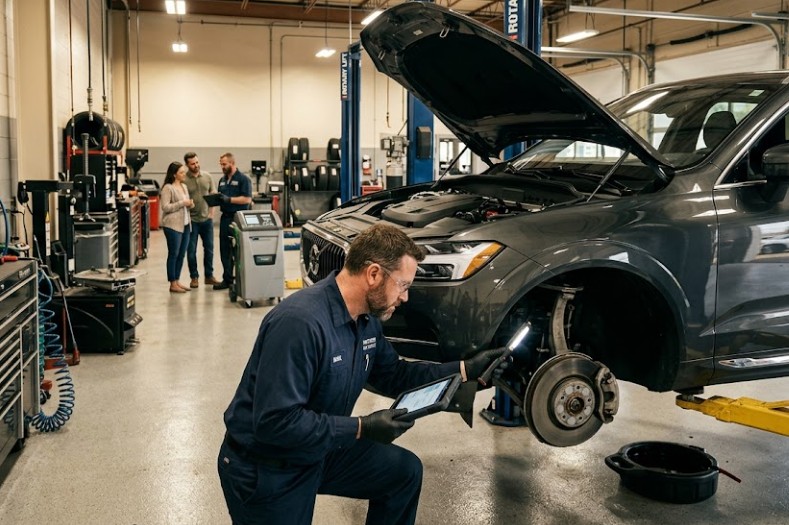
Many vehicle owners view routine maintenance as an unnecessary expense, especially when their car appears to be running fine. However, delaying inspections and ignoring small issues often leads to much larger repair bills later. Regular vehicle maintenance is not just about keeping a car clean or changing the oil occasionally—it is about protecting your investment, improving safety, and avoiding expensive mechanical failures.
Consistent maintenance helps your vehicle perform efficiently while reducing the risk of breakdowns and long-term damage. Professional automotive technicians can identify problems early before they become serious and costly. From engine care to tire inspections and auto car body repairs, proactive maintenance helps preserve both the condition and value of your vehicle.
This article explains how routine vehicle maintenance saves money over time and why preventive care is one of the smartest decisions any car owner can make.
Preventive Maintenance Helps Avoid Major Repair Costs
One of the biggest financial benefits of regular maintenance is preventing expensive repairs before they happen. Small problems rarely stay small when ignored. A worn belt, fluid leak, weak battery, or dirty filter can eventually lead to major engine or transmission damage.
Routine inspections allow technicians to detect these issues early. Replacing a minor component during scheduled maintenance is far less expensive than repairing a complete system failure later.
For example, changing engine oil on time prevents excessive wear on internal engine components. Ignoring oil changes can result in overheating, reduced engine performance, and even engine failure—all of which are significantly more expensive to repair.
Preventive maintenance saves money by reducing the chances of emergency repairs and unexpected breakdowns.
Improved Fuel Efficiency Reduces Daily Expenses
Fuel costs are one of the largest ongoing expenses for vehicle owners. Poorly maintained vehicles often consume more fuel because the engine and supporting systems are not operating efficiently.
Dirty air filters, worn spark plugs, low tire pressure, clogged fuel injectors, and neglected engine oil can all reduce fuel economy. Regular servicing helps restore optimal performance and improve fuel efficiency.
Simple maintenance tasks such as tire pressure checks and air filter replacements may seem minor, but they can make a noticeable difference in fuel consumption over time.
A vehicle that runs efficiently requires less fuel, helping drivers save money every month.
Routine Inspections Extend Vehicle Lifespan
Vehicles are designed to last for many years, but long-term durability depends heavily on maintenance. Routine servicing reduces wear and tear on important components such as the engine, transmission, brakes, cooling system, and suspension.
Regular fluid changes, lubrication, inspections, and part replacements help keep these systems functioning properly for longer periods.
Without proper care, neglected vehicles often experience premature mechanical failures that shorten their lifespan. Major repairs or complete component replacements can become more expensive than the vehicle itself.
Maintaining your vehicle consistently helps maximize its lifespan and delays the need to purchase another car.
Tire Maintenance Prevents Premature Replacement
Tires directly impact fuel efficiency, handling, braking performance, and safety. However, many drivers overlook tire maintenance until the tires become visibly worn.
Regular tire rotations, balancing, wheel alignments, and pressure checks help tires wear evenly and last longer. Uneven wear caused by poor alignment or improper inflation can shorten tire lifespan significantly.
Replacing tires prematurely can become expensive, especially for larger vehicles or premium tire brands. Routine maintenance helps drivers get the maximum lifespan from their tires while improving road safety and driving comfort.
Proper tire care also reduces strain on suspension and steering systems.
Brake Maintenance Prevents Costly System Damage
Brake systems experience constant wear during everyday driving. Ignoring early warning signs such as squealing sounds, vibrations, or reduced braking response can lead to more severe and expensive damage later.
Replacing brake pads early is relatively affordable, but delaying repairs may damage rotors, calipers, and other braking components. More importantly, neglected brakes increase accident risks and compromise driver safety.
Routine brake inspections help identify wear before it escalates into major repairs or dangerous driving conditions.
Maintaining braking performance protects both your finances and your safety on the road.
Regular Care Protects Your Vehicle’s Appearance and Value
Vehicle maintenance is not limited to mechanical systems. Exterior care and timely cosmetic repairs also play an important role in preserving long-term value.
Minor dents, scratches, chipped paint, and rust spots may seem harmless initially, but they can worsen over time if ignored. Moisture and environmental exposure can lead to corrosion that damages body panels and reduces resale value.
Professional auto car body repairs help restore the vehicle’s appearance while preventing further deterioration. Maintaining the exterior condition of your vehicle protects its long-term market value and keeps it looking newer for longer.
A well-maintained vehicle is far more attractive to future buyers and often sells for a higher price.
Electrical System Maintenance Improves Reliability
Modern vehicles rely heavily on electronic systems for ignition, lighting, sensors, infotainment, and safety technology. Weak batteries, damaged wiring, or charging system issues can create unexpected problems and costly breakdowns.
Routine inspections help identify battery wear, loose connections, or alternator problems before complete electrical failure occurs.
Preventive maintenance improves overall reliability and reduces the likelihood of being stranded unexpectedly due to electrical issues.
Consistent care ensures important vehicle systems continue functioning properly.
Scheduled Maintenance Helps Preserve Warranty Coverage
Many vehicle manufacturers require owners to follow specific maintenance schedules to keep warranty protection valid. Skipping recommended services may result in denied warranty claims if major problems occur later.
Maintaining service records and following factory recommendations helps protect your warranty coverage while ensuring your vehicle receives proper care.
Professional automotive service providers understand manufacturer guidelines and help vehicle owners stay compliant with required maintenance intervals.
Protecting warranty coverage can save substantial repair costs in the future.
Routine Servicing Reduces Emergency Breakdowns
Unexpected breakdowns are stressful, inconvenient, and often expensive. Emergency towing, roadside assistance, temporary transportation, and urgent repairs can quickly become costly.
Most breakdowns are preventable through regular maintenance and inspections. Identifying weak batteries, worn belts, overheating risks, or fluid leaks early reduces the chances of sudden vehicle failure.
Drivers who maintain their vehicles consistently enjoy greater reliability and peace of mind during daily commutes and long-distance travel.
Preventive maintenance is always more affordable than emergency repairs.
Consistent Maintenance Supports Better Resale Value
A well-maintained vehicle holds its value much better than one with poor maintenance history. Buyers are more confident purchasing vehicles with documented service records because it indicates responsible ownership.
Routine servicing demonstrates that the vehicle has been properly cared for and reduces concerns about hidden mechanical issues.
Clean condition, reliable performance, and consistent maintenance history can significantly increase resale or trade-in value later.
Taking care of your vehicle today helps maximize its financial return in the future.
Choosing a Reliable Service Provider Makes a Difference
Not all automotive repair facilities provide the same level of expertise and quality. Choosing a trusted repair shop ensures maintenance and repairs are completed correctly using proper tools and techniques.
Look for certified technicians, transparent communication, strong customer reviews, and honest recommendations when selecting a service provider.
A reputable automotive repair specialist focuses on long-term vehicle health rather than unnecessary upselling.
Building a relationship with a reliable service provider helps maintain consistency in vehicle care and improves long-term performance.
Final Thoughts
Routine vehicle maintenance is one of the most effective ways to reduce long-term ownership costs. Preventive care improves fuel efficiency, extends vehicle lifespan, enhances safety, reduces breakdown risks, and helps avoid major repairs.
From engine servicing and tire maintenance to timely auto car body repairs, consistent care protects both the performance and appearance of your vehicle.
Ignoring maintenance may seem like a short-term savings strategy, but it often leads to far more expensive problems later. Investing in regular inspections and professional servicing helps ensure your vehicle remains reliable, efficient, and valuable for years to come.