15 Minutes
Go Berrying
Sitka National Historical Park
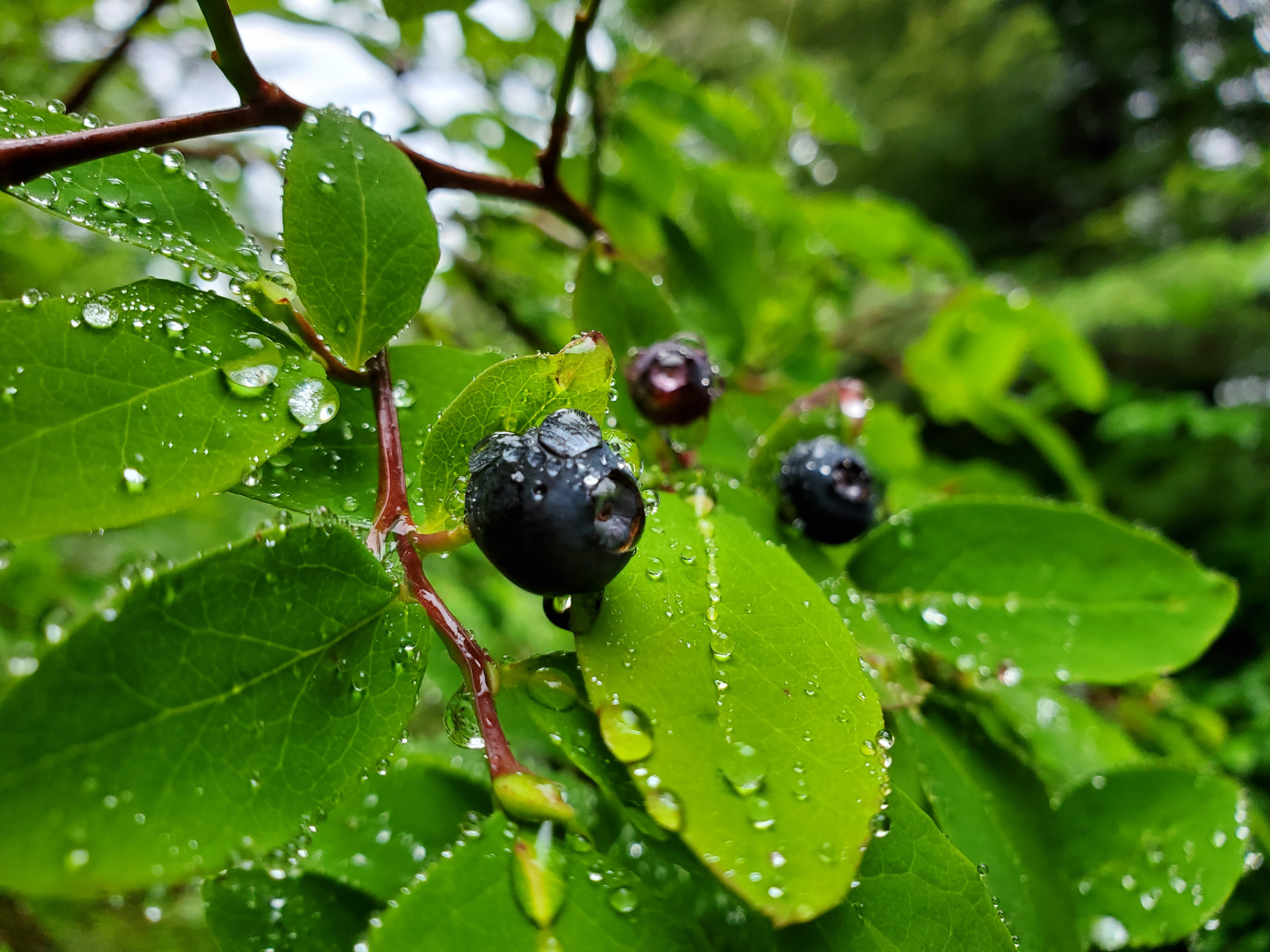
As berries ripen, they dot Sitka's greenery with bright reds, luminous oranges, and muted blues and grays. Enjoy their colors and shapes as you walk through the park. If you choose to taste some, be respectful of the park's history, know what's allowed, and be certain you know what you're about to touch or eat.
Berries provide bright splashes of color against Sitka's greenery in mid- and late summer. Please be respectful when enjoying berries inside the park. According to the Kayaaní Commission's Ethnobotany Field Guide, most Tlingit people do not harvest within the park out of respect for loss of life during the battle that was fought here. Salmonberries, huckleberries, blueberries, and currants, are common. Each has a different shape and texture. Some, including blueberries, are coated in a cloudy, waxy "bloom" that protects them from bacteria. All are an important source of food for birds, bears, and—with caution—people.
Tags
Hands-OnRainforestRiver and RiparianSitka National Historical ParkalaskaAlaska Nature and Sciencecurrent conditions
Visitor Photos
No visitor photos yet
Details
Duration
15 Minutes
Fees Apply
No
Seasons
Summer
Time of Day
Day
Accessibility
Two accessible parking spaces are available in the visitor center parking lot. A paved trail with curb cuts leads to the visitor center from downtown Sitka. Accessible restrooms, a lowered water fountain, and an extended picnic table are available outside the visitor center. The trail is generally six feet wide, relatively flat, and paved with crushed gravel.
Pets
Yes — Pets are allowed on trails that start at the visitor center, but not indoors. You must keep your pet on a leash that is no more than six feet long and dispose of your pet's waste in a trash can. When bears are active, they may perceive your pet as a threat; it is best to leave your pet at home when bear activity is high so that you are able to focus on bear and human safety.
Reservations
No
Location
Trails in Sitka National Historical Park