Overview
About National Park of American Samoa.
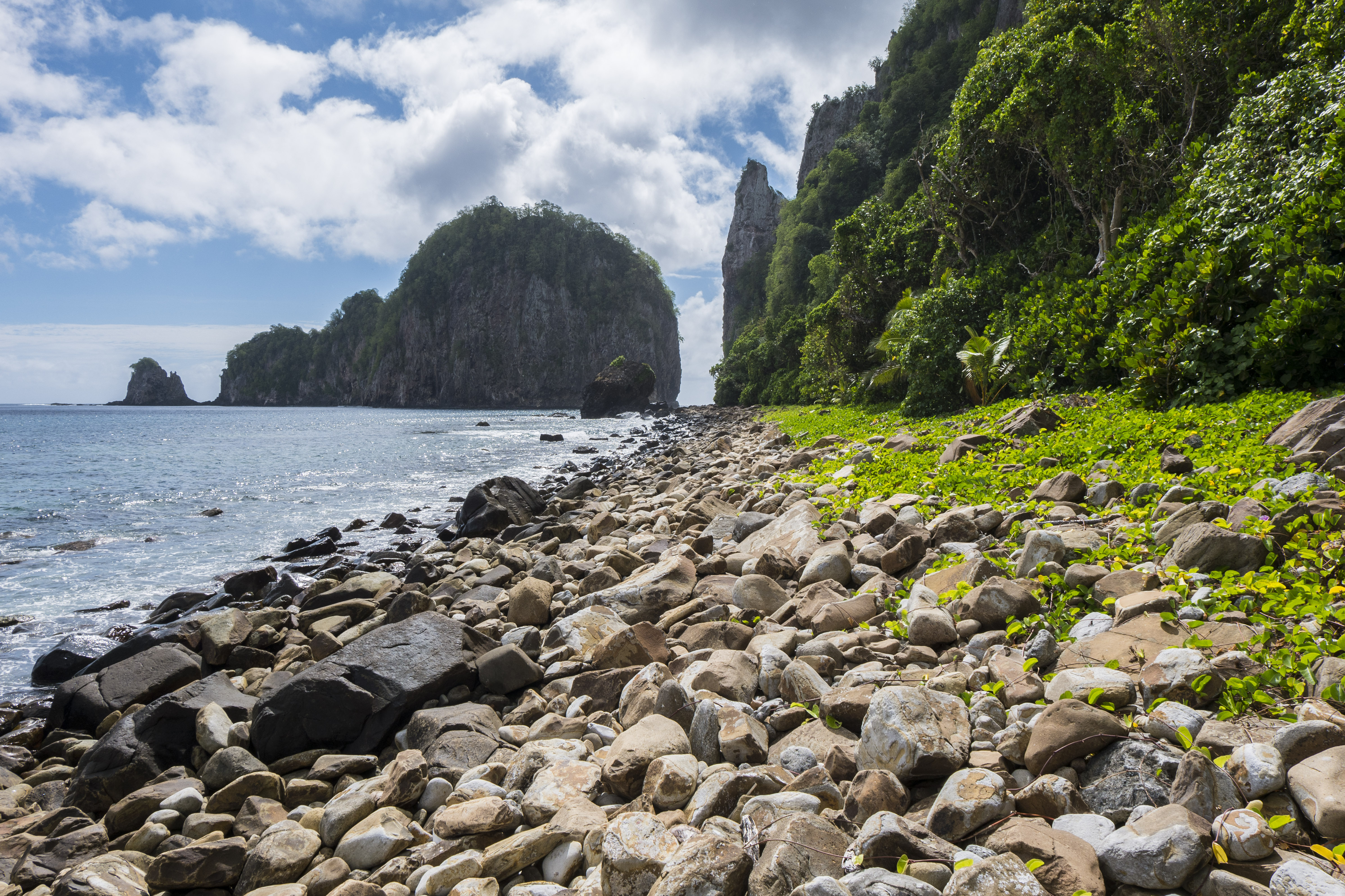
The National Park of American Samoa invites you to discover the vibrant culture and stunning landscapes of the South Pacific. Experience a world unlike any other, where natural beauty and cultural heritage are protected for future generations. Join us in exploring these islands of sacred earth!
Arts and CultureLive MusicHands-OnVolunteer VacationHikingBackcountry HikingFront-Country HikingOff-Trail Permitted HikingLiving HistoryHistoric Weapons DemonstrationFirst Person InterpretationSCUBA Diving
Weather
American Samoa is in the South Pacific Ocean, between the Equator and the Tropic of Capricorn. A tropical climate prevails with warm or hot temperatures year-round and high humidity. Rain showers are frequent and can last only for a few minutes or all-day. The average annual rainfall is 125-inches in the dryer areas to as much as 300-inches in the highest mountains. Tropical storms are more prevalent during the long, wet summer season (October -May) and a slightly cooler and drier season (June-September)
Gallery
Photos of National Park of American Samoa.
4 images
Things to do
Discover National Park of American Samoa.
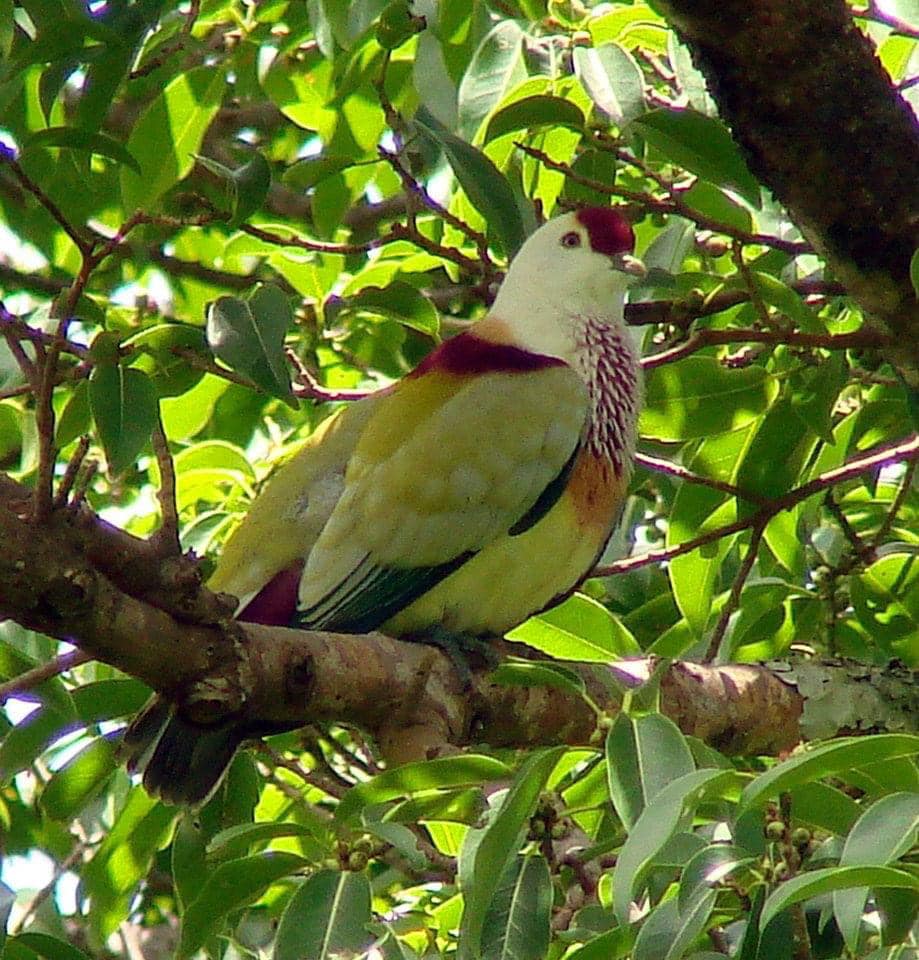
Birdwatching on Lower Sauma Trail
Over 35 species of native birds fly in American Samoa’s skies. Each has its own story and place in our culture.
Learn more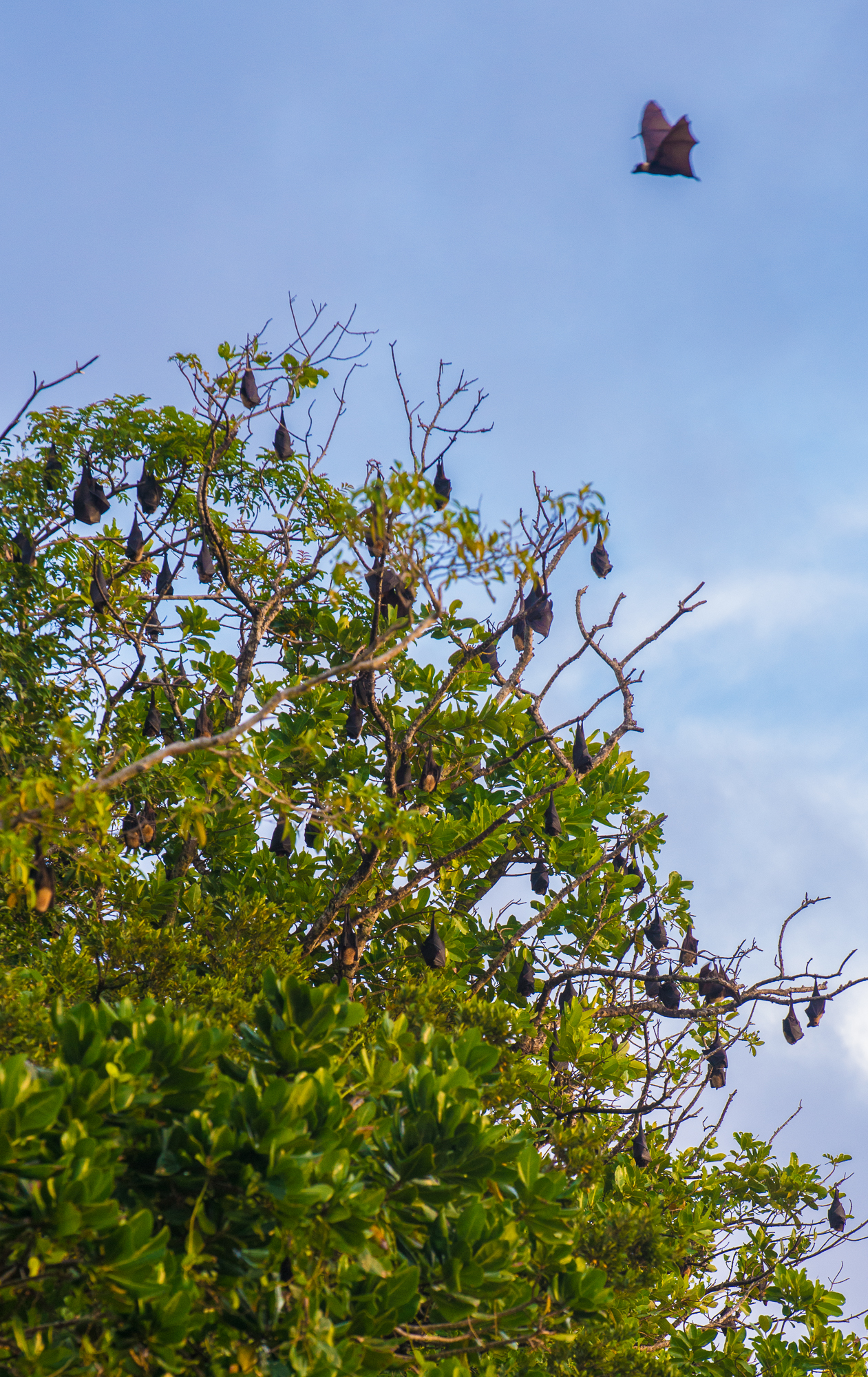
Fruit Bat Watching
Fruit bats are the only native mammals found in American Samoa. The two species of fruit bat and one insect-eating bat species are harmless to people. They have a wingspan close to three feet. As fruit eaters, fruit bats are excellent and vital pollinators. Plants rely on the fruit bat to spread its seeds through droppings. A colony of fruit bats ensures that the tropical rainforest remains healthy and full of new trees.
Learn more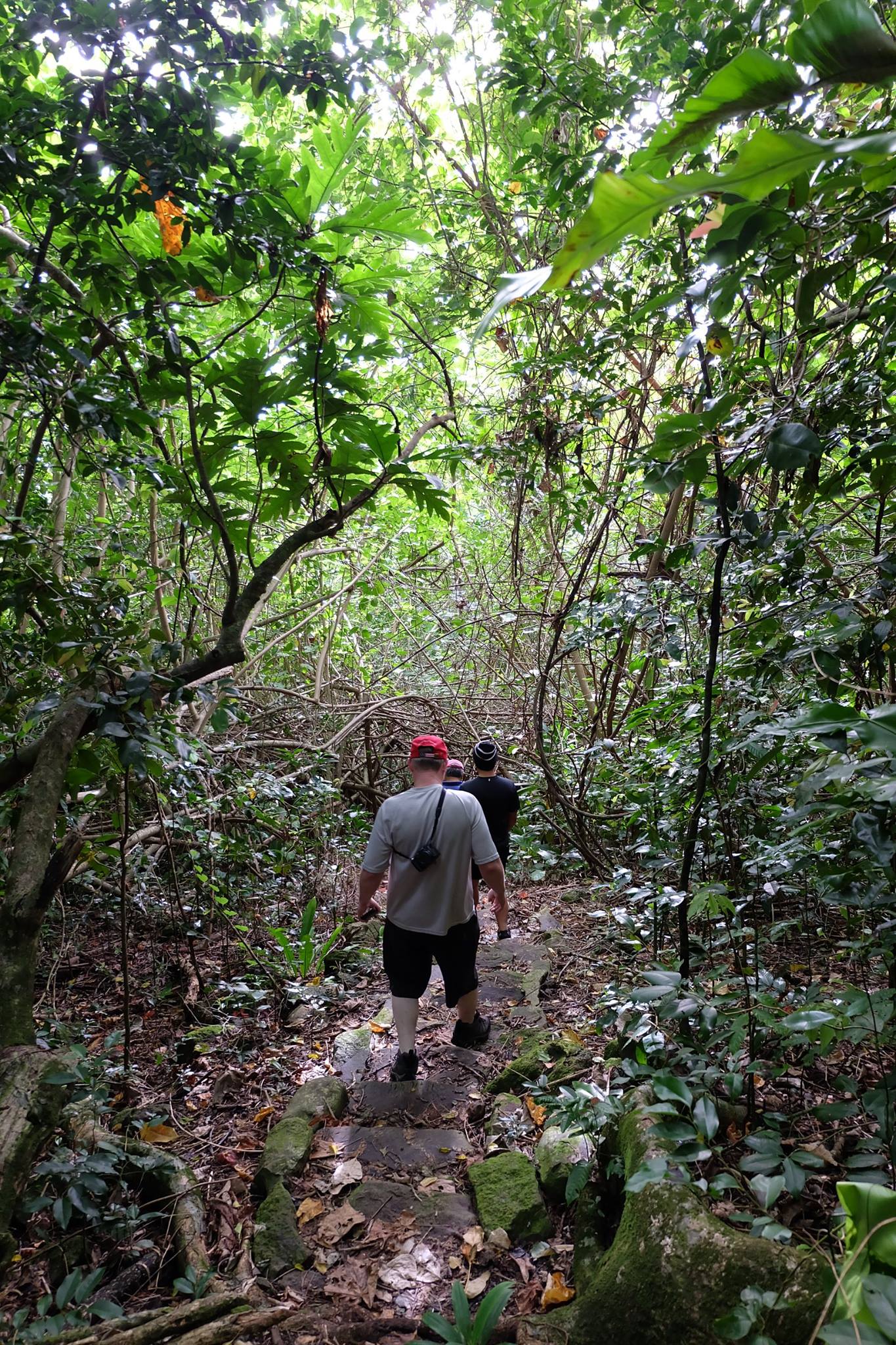
Lower Sauma Ridge Trail
Easy = 0.4mi/0.64km total; 232ft/7m elevation gain; 30-45 minutes. A gentle climb to an archaeological site featuring ancient grinding stones, this trail combines history with incredible views of the northeast coastline and the Vai’ava Strait.
Learn more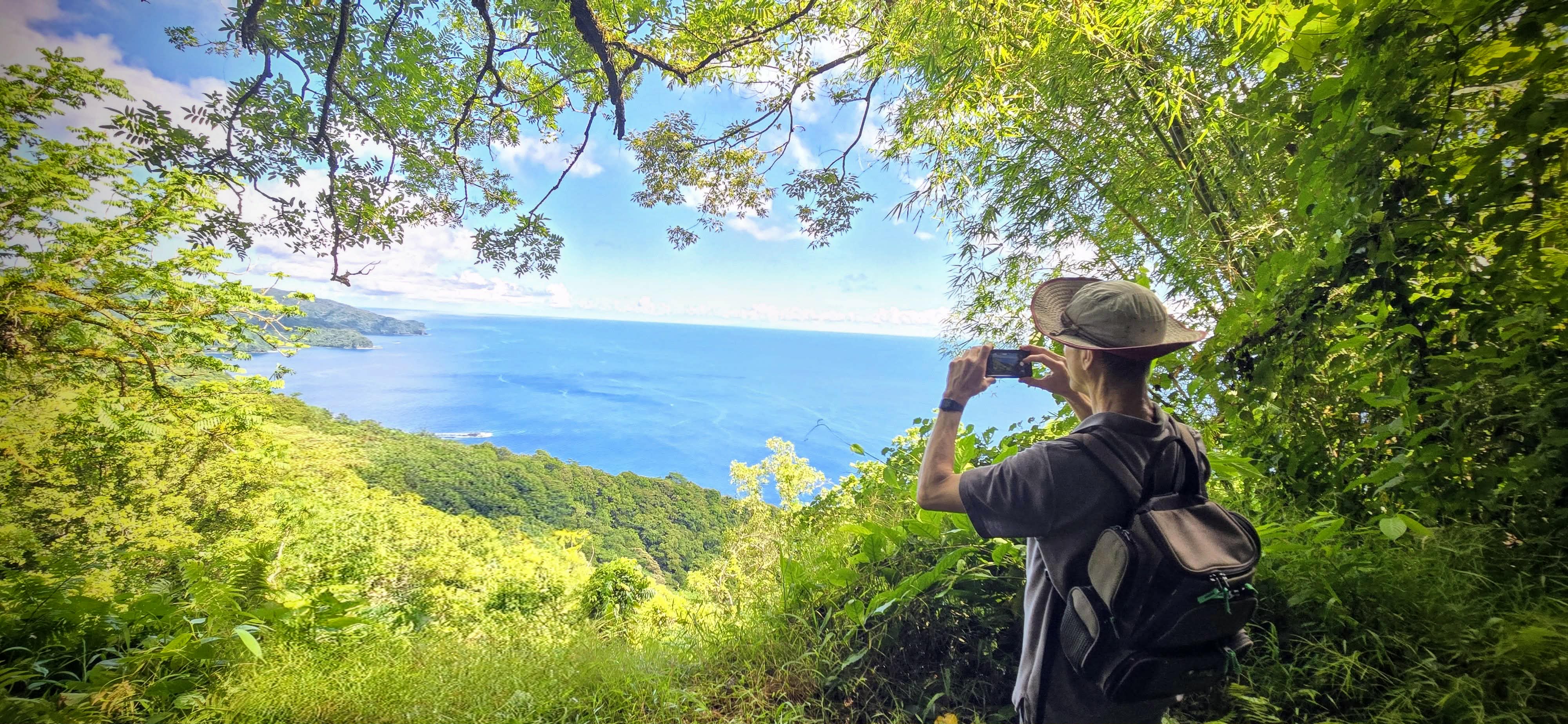
Mount Alava Trail
Difficult = 7mi/11.27km total; 1,607ft/490m elevation gain; 4-5 hours. Trail can be steep, slippery, and rocky in places. Stunning panoramic views from the summit. Lush rainforest environment, great for bird and fruit bat watching.
Learn more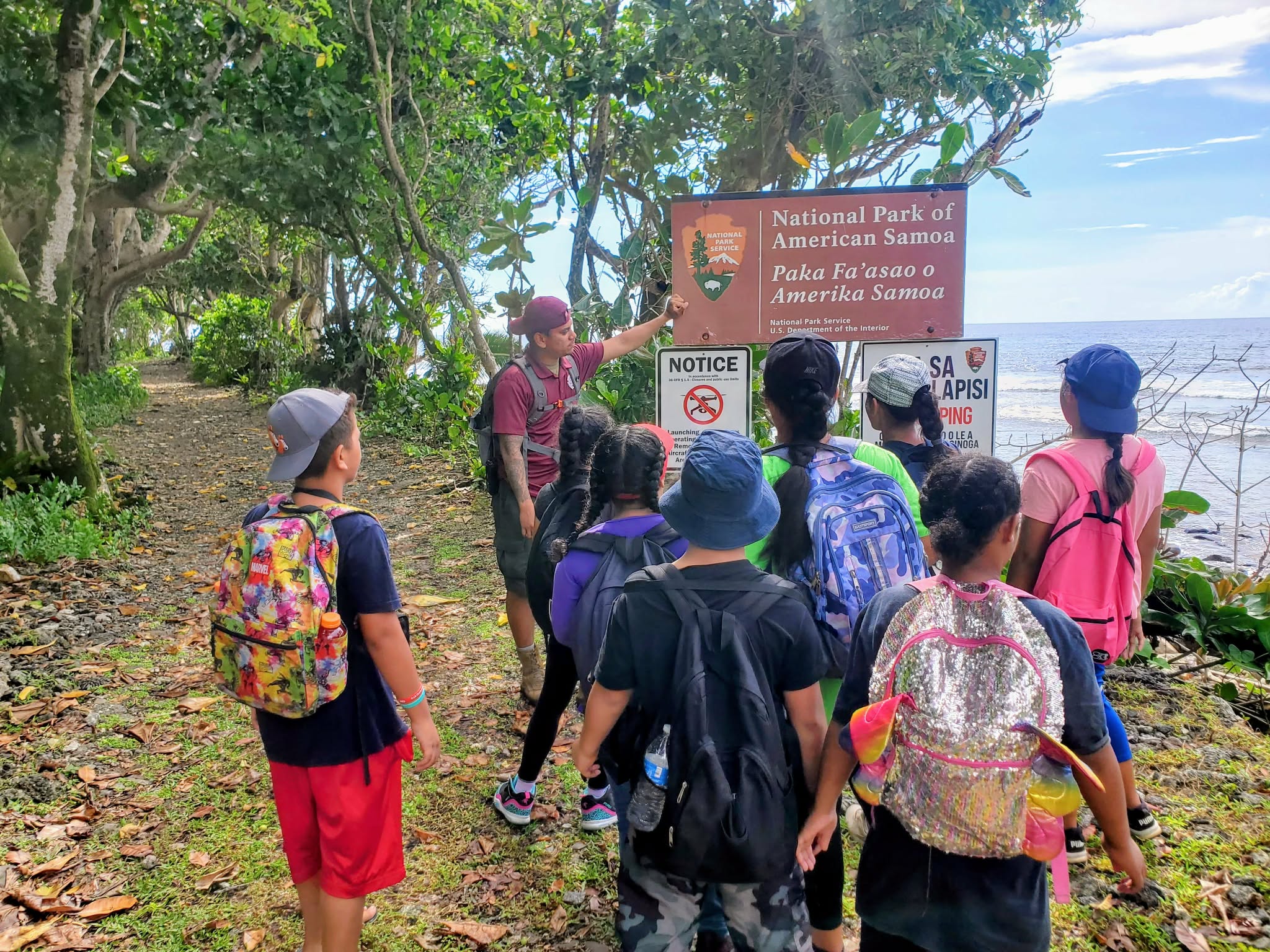
Pola Island Trail
Easy = 0.1mi/0.16km total; 30ft/9m elevation gain; 15-30 minutes. This short, easy trail leads you to the untouched shores of the South Pacific; delivering big rewards with views of the rugged coastline and Pola Island, a sanctuary for nesting seabirds.
Learn more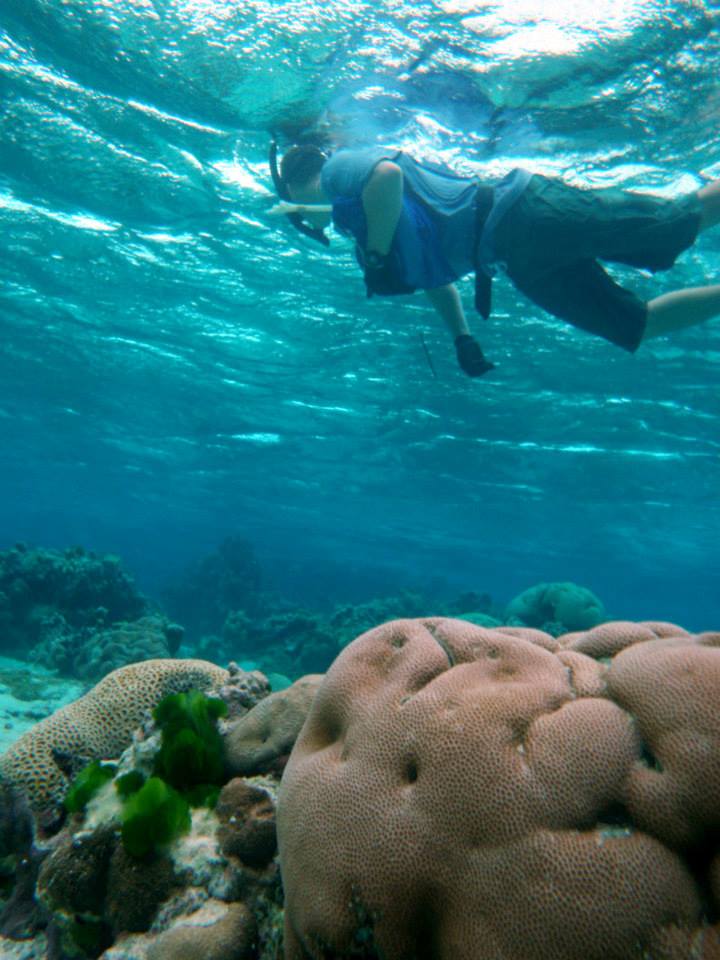
Snorkeling
Each island of American Samoa supports a coral reef ecosystem in its coastal waters. These coral reefs support a variety of marine life typical of tropical Indo-Pacific waters. To date, over 950 species of fish and over 250 species of coral have been documented.
Learn more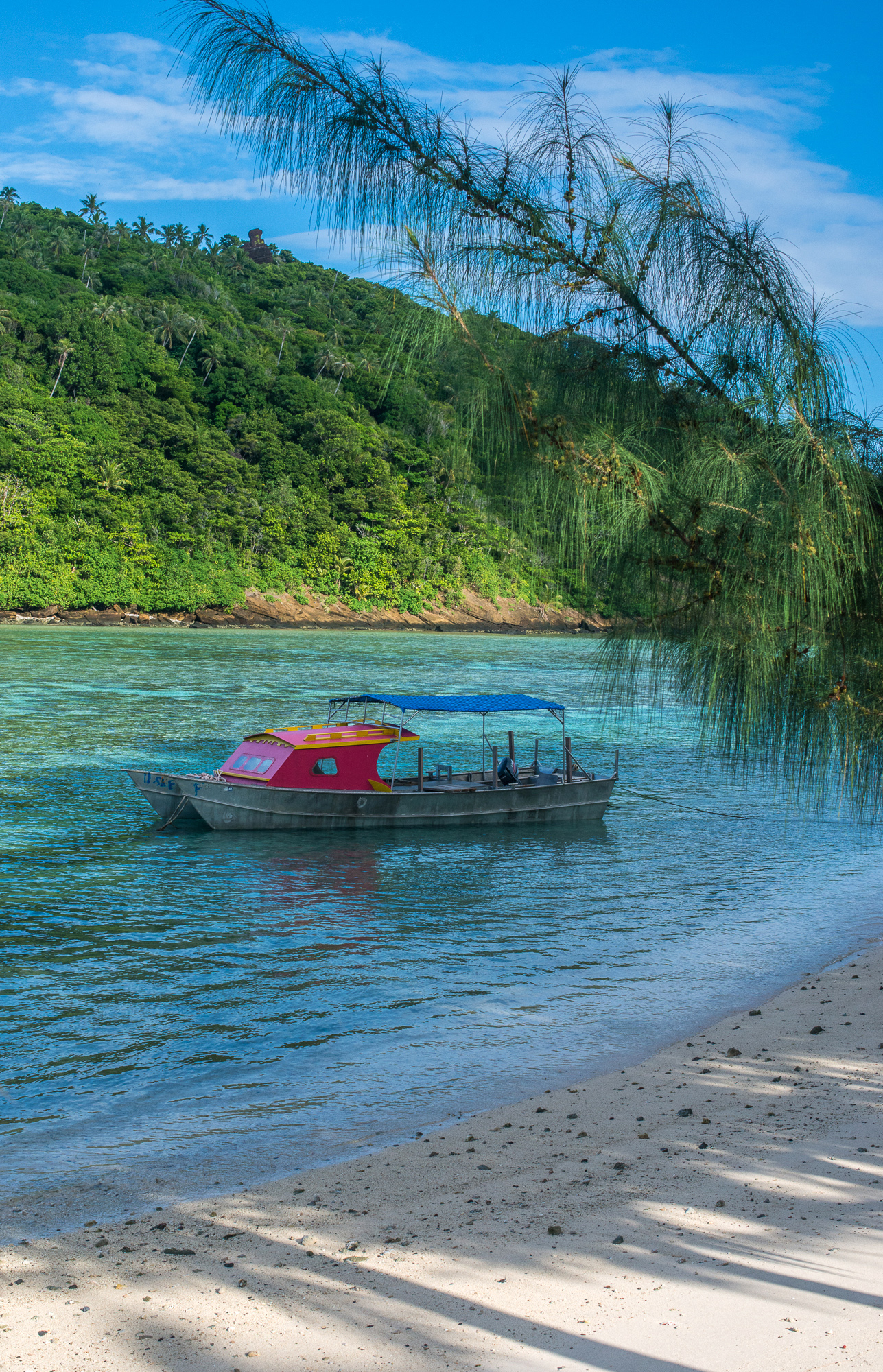
Take a boat ride to Aunu'u
About one mile southeast of Tutuila’s eastern tip is the volcanic island of ‘Aunu’u, the smallest inhabited island. It can be reached by boat and explored by foot. 'Aunu'u Island is an excellent exposure of a relatively young flow of basalt inter-bedded with layers of tuff. The site also illustrates erosion by wave action and is covered with dense tropical vegetation.
Learn more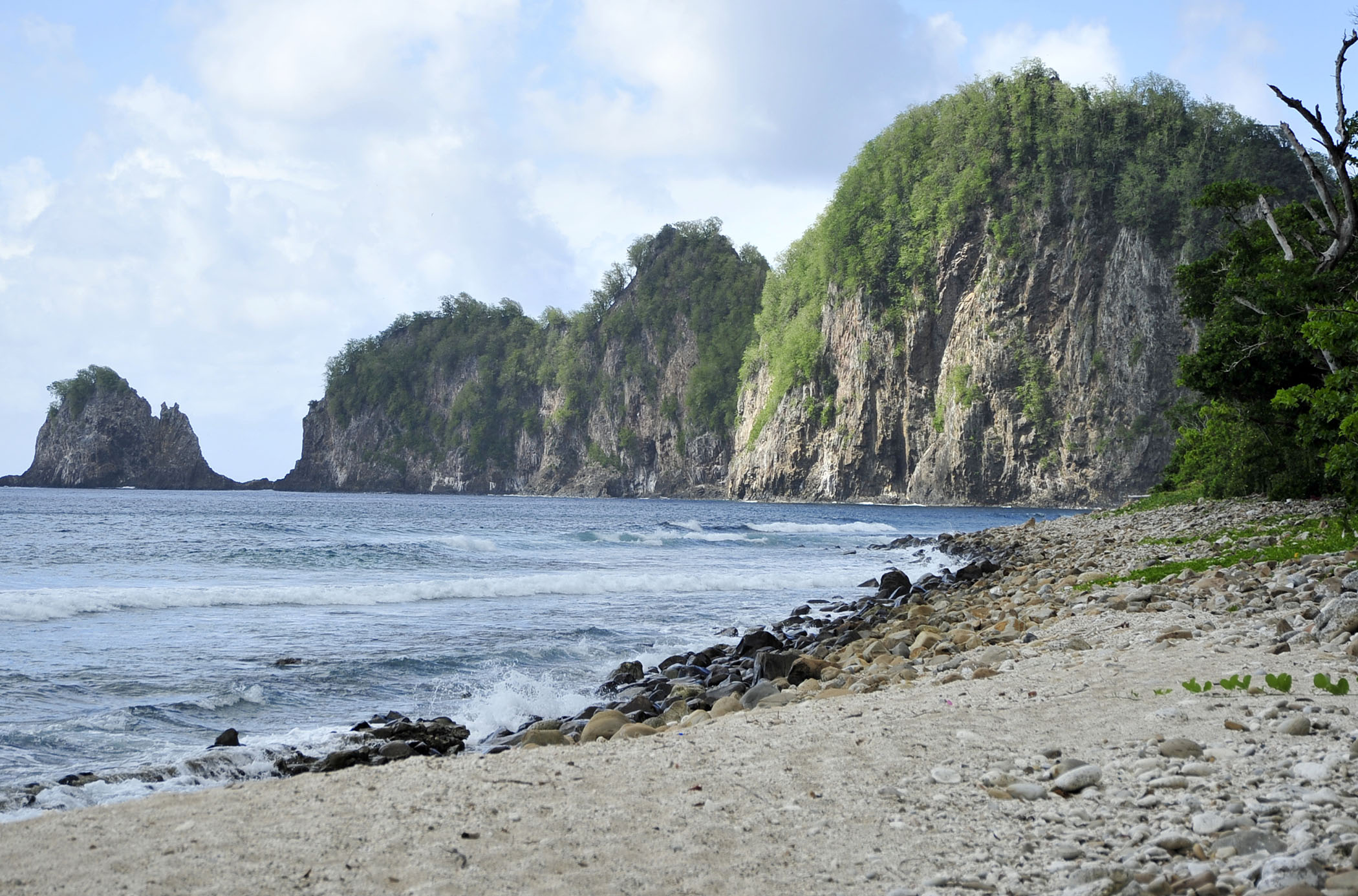
Tuafanua Trail
Moderate = 2.2mi/3.54km total; 219ft/67m elevation gain; 2-3 hours. The trail leads you via ladders, steps, and ropes to a rocky beach, where you can enjoy the sound of the waves and take in the Western view of Pola Island.
Learn more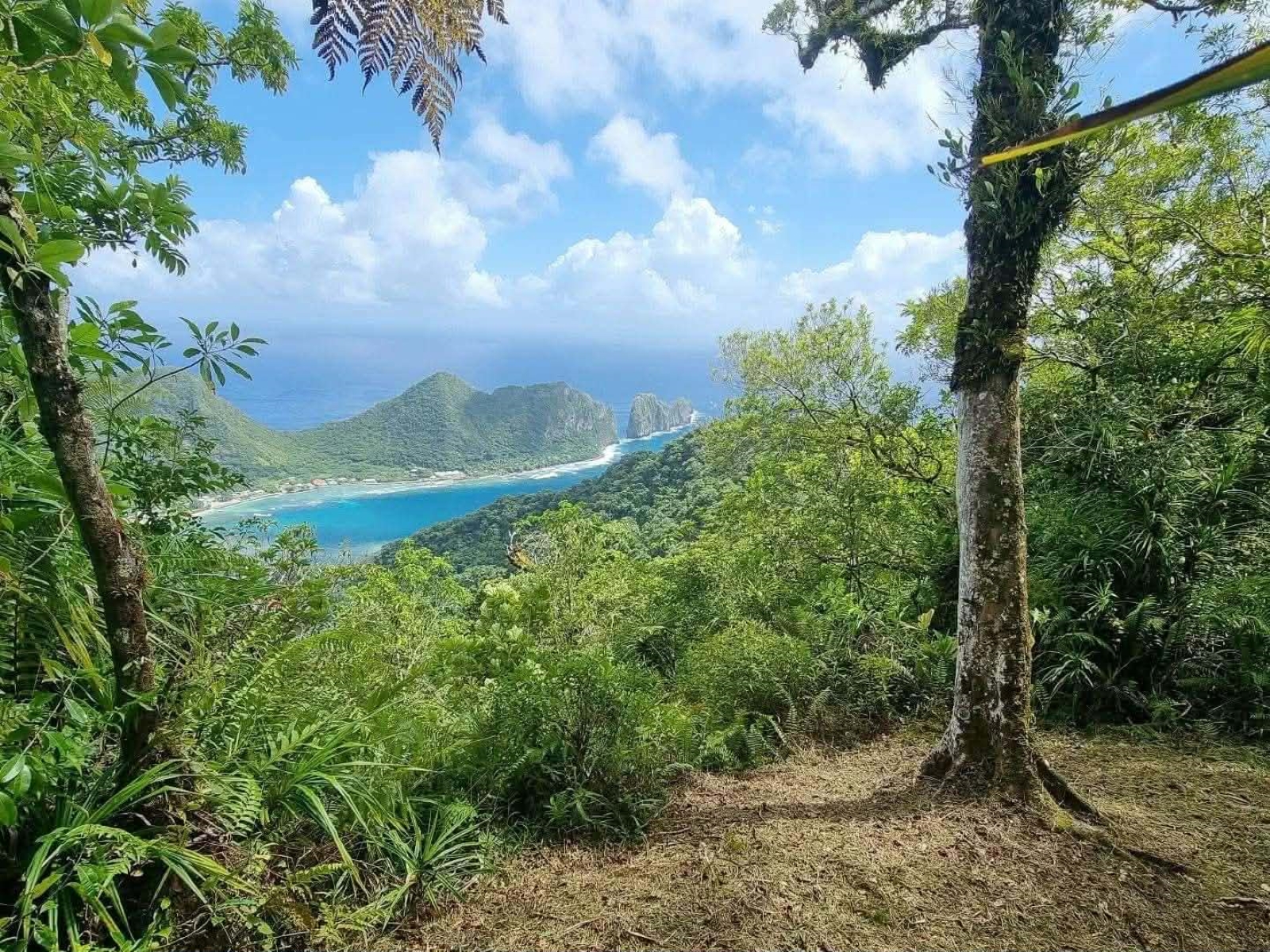
Upper Sauma Ridge Trail
Strenuous = 3.2mi/5.15km total; 1,489ft/454m elevation gain; 3-4 hours. Hike a challenging trail through a dense rainforest, surrounded by native trees and birds. Enjoy one of the island’s most beautiful views of Vatia village and Pola Island at the summit.
Learn moreNo reviews yet. Be the first to share your experience!
Know a great spot near National Park of American Samoa?
Help visitors discover the best local businesses near National Park of American Samoa. List your business on Poyst and reach thousands of travelers.
- ✓Free business listing with photos & reviews
- ✓Appear in destination & city guides
- ✓Analytics dashboard to track visibility