1-2 Hours
Driving, Biking, and Walking at Manzanar
Manzanar National Historic Site
The site is open during daylight hours, see it on foot or via the 3.2 mile driving tour road.
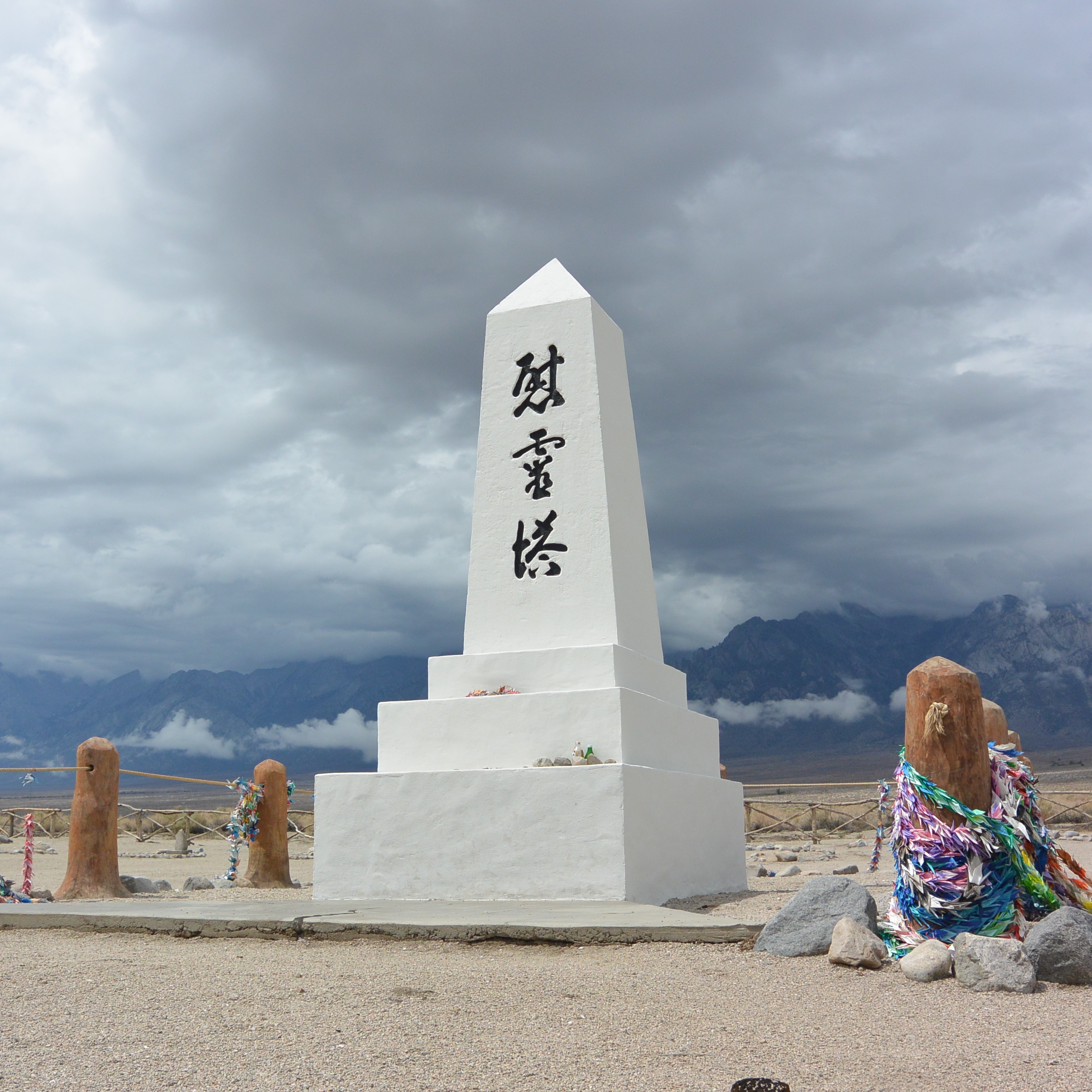
Drive or bike the 3.2-mile self-guided auto tour road to see the original sentry posts, Block 14 buildings, the cemetery monument, remnants of the administrative complex, rock gardens, orchards, the hospital grounds, the uncovered foundations of the Children’s Village (the only orphanage of the ten War Relocation Centers), and more. Pick up a map at the visitor center. Vehicles and bicycles are restricted to established roads. The grounds are open from dawn - dusk. Visitor center and exhibit operating hours differ. Cemetery Monument: In 1943 the people in Manzanar decided to erect a monument to honor their dead and skilled stonemason Ryozo Kado was recruited to supervise the work. The cemetery serves as a poignant reminder that some of the over 11,000 Japanese Americans incarcerated at Manzanar never saw freedom again. One hundred and fifty Japanese Americans died while confined in Manzanar during World War II. Many were cremated, in the Buddhist tradition, and some were sent to their home towns for burial. Fifteen people were buried in a small plot of land just outside the camp's security fence. When Manzanar War Relocation Center closed, the families of nine of the deceased removed the remains of their loved ones for reburial elsewhere. In 1999, NPS archeologists confirmed that six burials remain at the site. The three characters on the front (east side) of the cemetery monument literally translate as "soul consoling tower" ( I REI TO ). The inscriptions were written by a Manzanar Buddhist priest, Shinjo Nagatomi. Merritt Park: The people incarcerated at Manzanar left a lasting legacy by creating more than 100 Japanese gardens. The most elaborate of the gardens was Merritt Park, named for the camp director, Ralph P. Merritt. Merritt Park served as community refuge from the hardships of camp. After Manzanar closed in 1945, many of the gardens disappeared as debris from demolished barracks, sand, and vegetation covered them. Recent archeological excavations have uncovered and stabilized some of these gardens including Merritt Park. Today you can view what’s left of this symbol of beauty and the resilience of the human spirit. Get a much more intimate look at the story of Manzanar by exploring the site on foot. Visit the site of the Children's Village, remnants of the hospital, the orchards, eleven uncovered Japanese gardens, the baseball field, the Shepherd Ranch site, or any of the other features not on the main tour road. Keep an eye out for concrete slabs, piles of nails, protruding pipes, and lines of rocks that at first glance are unremarkable, but tell the first-hand story of people’s lives during their time here. Weather can be unpredictable so be prepared by bringing layers, water, and sun protection. The ground and vegetation can make for uneven footing, make sure to wear proper footwear. Don't forget to watch out for wildlife. Japanese Garden Tour: Private and community gardens covered much of the Manzanar landscape. For many people, these rock gardens and pools served as a source of peace and an escape from their incarceration experience. Today, eleven of the over 100 Japanese gardens have been uncovered and stabilized. For suggested walking routes to see these gardens (anywhere from 0.25 miles to 2.5 miles), pick up a "Garden Guide" at the visitor center.
Tags
Self-Guided Tours - AutoAsian American HeritageJapanese-American InternmentWorld War IIManzanar National Historic Site
Visitor Photos
No visitor photos yet
Details
Duration
1-2 Hours
Duration Details
Since exploration can drastically impact duration, keep in mind that the tour road is 3.2 miles long and one way. The area within the reconstructed barbed wire fence is about one square mile.
Fees Apply
No
Seasons
Winter, Spring, Summer, Fall
Time of Day
Day
Accessibility
The driving tour road is paved and has pullouts available. The site grounds are unmaintained and can be more like a hike than a walk. Please take safety precautions.
Pets
Yes — (a)(1) The following structures and/or areas are closed to the possession of pets: The visitor center and the fenced cemetery area. (a)(3) Pets may be left unattended and tied to an object in the following areas, under the conditions noted: In the area directly to the north of the entrance door, by the bench. Pets may not be tied to the stair railing. Pets left unattended that are determined to be a nuisance or left in an unsafe manner will be reported to the local animal control officials. (a)(5) Pet excrement must be disposed of in accordance with the following conditions: Immediately scooped up with plastic bags or paper and disposed of in a trash can.
Reservations
No
Age Info
Anyone can participate in the self-guided driving, biking, or walking on the site. Please keep in mind weather and uneven footing and determine which exploration method best fits your health and safety.
Location
Manzanar National Historic Site