Birding at Fort Washington Park
National Capital Parks-East
Come for the history, stay for the birds. Fort Washington Park has a diverse array of bird species spread among its distinct ecosystems.
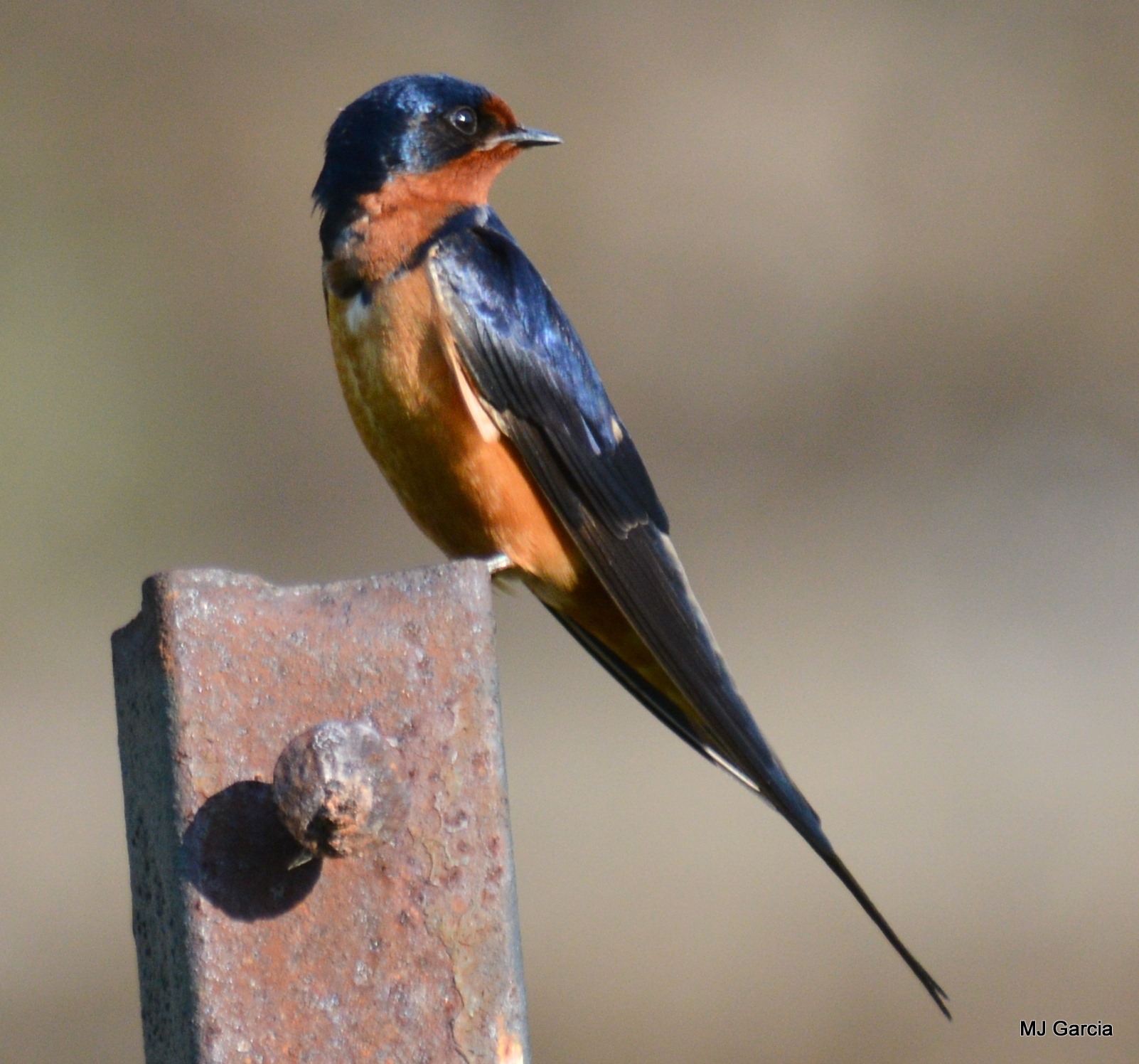
Birding begins as soon as you exit your vehicle, in the parking lot. Yearlong residents’ American crows, Northern Mockingbirds, Pileated woodpeckers gather in the trees that grow along the park’s parking spaces. Fort Washington is near several commercial and military airports, so air traffic is loud for a natural area. Studies have shown that birds in urban areas sing and call louder than their relatives who live in quiet natural areas and it seems this is true for Fort Washington Park’s birds. Eastern Phoebes and Barn Swallows make their home in Battery Decatur, the oldest battery of the park’s 8-unit Endicott System. Bald Eagles are year-round residents, maintaining nests along the park’s perimeter trails, high in the trees. Carolina Chickadees, Tufted titmice, White Breasted Nuthatches and Carolina Wrens are small but mighty in presence year-round. They can be spotted and heard along on every path from the visitor center to the fort and along the hiking trail. Mallards are year-round residents of Fort Washington's coast. Buffleheads, Ruddy Ducks and Lesser Scaups can be spotted visiting Fort Washington's coast in small groups in winter and larger groups during spring and summer.
Tags
BirdwatchingBirdsbirdsrecreationbirdingWildlife ViewingSouthern Maryland
Visitor Photos
No visitor photos yet
Details
Fees Apply
No
Seasons
Winter, Spring, Summer, Fall
Accessibility
Birding is a great hobby for everyone! Use your eyes or ears to learn to identify different species. The main walking trails at Fort Washington Park are paved and accessible to visitors who use mobility assistance like wheelchairs, walkers, or canes. For more detailed accessibility information, visit Accessibility - Fort Washington Park (U.S. National Park Service) (nps.gov)
Pets
Yes
Reservations
No