Overview
About Glacier National Park.
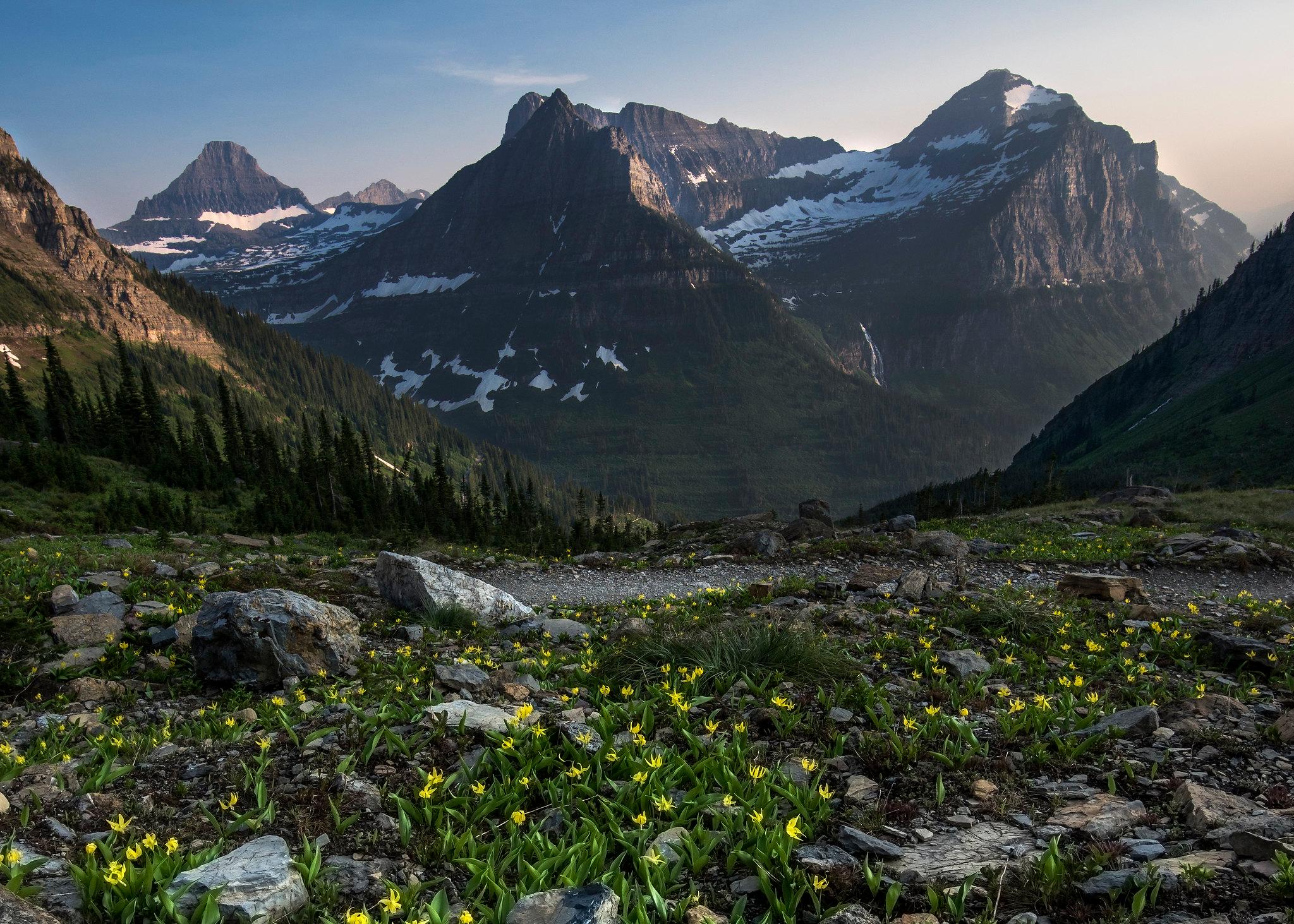
A showcase of melting glaciers, alpine meadows, carved valleys, and spectacular lakes. With over 700 miles of trails, Glacier is a paradise for adventurous visitors seeking a landscape steeped in human culture. Relive the days of old through historic chalets, lodges, and the famous Going-to-the-Sun Road.
Arts and CultureCultural DemonstrationsLive MusicAuto and ATVScenic DrivingAstronomyBikingRoad BikingBoatingMotorized BoatingBoat TourCamping
Weather
Glacier's weather is highly variable and can be extreme. Expect warm, sunny summer days but be ready for any type of conditions. In the winter, temperatures can fall well below freezing and typically the park receives considerable amounts of snow. Glacier's geography, straddling the Continental Divide, sets the stage for clashes of two very different climates. Warm, wet Pacific air moves in from the west, and cold, dry Arctic air flows from the northeast. They meet at the Divide.
Entrance Fees
Entrance - Private Vehicle$35.00
(Winter Rate - $25.00, November 1 to April 30) This is an entrance fee for all persons traveling in a single, private, non-commercial vehicle (car/truck/van). The pass is good for seven days and is non-transferable. Visitors can enter the park at any time, if the entrance station is not staffed, a self-registration area is available for purchasing a 7-day park pass.
Entrance - Per Person$20.00
(Winter Rate - $15.00, November 1 to April 30) This is a per person entrance fee for a visitor traveling on foot, bicycle, or for individuals traveling together in a vehicle as a non-commercial, organized group. The pass is good for seven days and is non-transferable.
Entrance - Motorcycle$30.00
(Winter Rate - $20.00, November 1 to April 30) Valid for 7 days. Admits up to 2 private, non-commercial motorcycles with up to 4 total passengers.
Commercial Entrance - Sedan$25.00
Entrance fees are based on the seating capacity of the vehicle (driver not included). Commercial Sedan entrance fee is $25, plus $20 per person, 16 years of age or older. The pass is good for seven days and is non-transferable.
Commercial Entrance - Van$75.00
Entrance fees are based on the seating capacity of the vehicle (driver not included). Commercial Van entrance fee is $75 regardless of occupancy. The pass is good for seven days and is non-transferable.
Gallery
Photos of Glacier National Park.
7 images
Things to do
Discover Glacier National Park.
All about birding in Glacier National Park
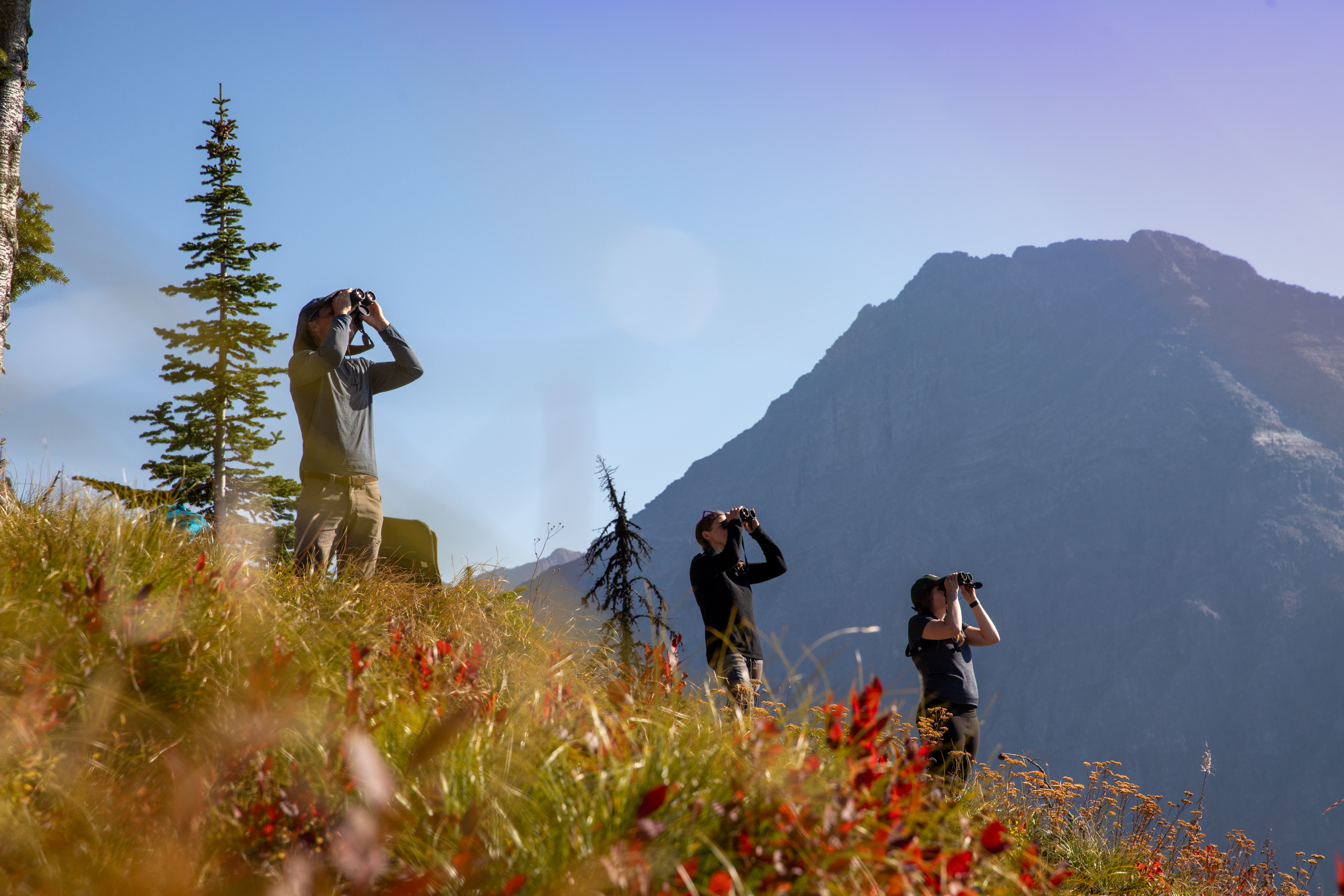
Glacier provides a wonderful opportunity to birdwatch, with plenty of spaces for birders of all ages to sit, listen, and observe the sights and sounds of nature. With 279 documented species including raptors, songbirds, shorebirds, and waterfowl, the park’s variation in elevation and habitat types contribute to a high diversity of bird life.
Learn moreAll about wildlife watching safety
View wildlife across Glacier National Park's vast landscapes. The diversity of habitat types creates opportunities for a wide range of animals. Find more information on everything from the large and majestic elk of the prairies, to the small stonefly of glacier-fed streams on Glacier National Park's website.
Learn more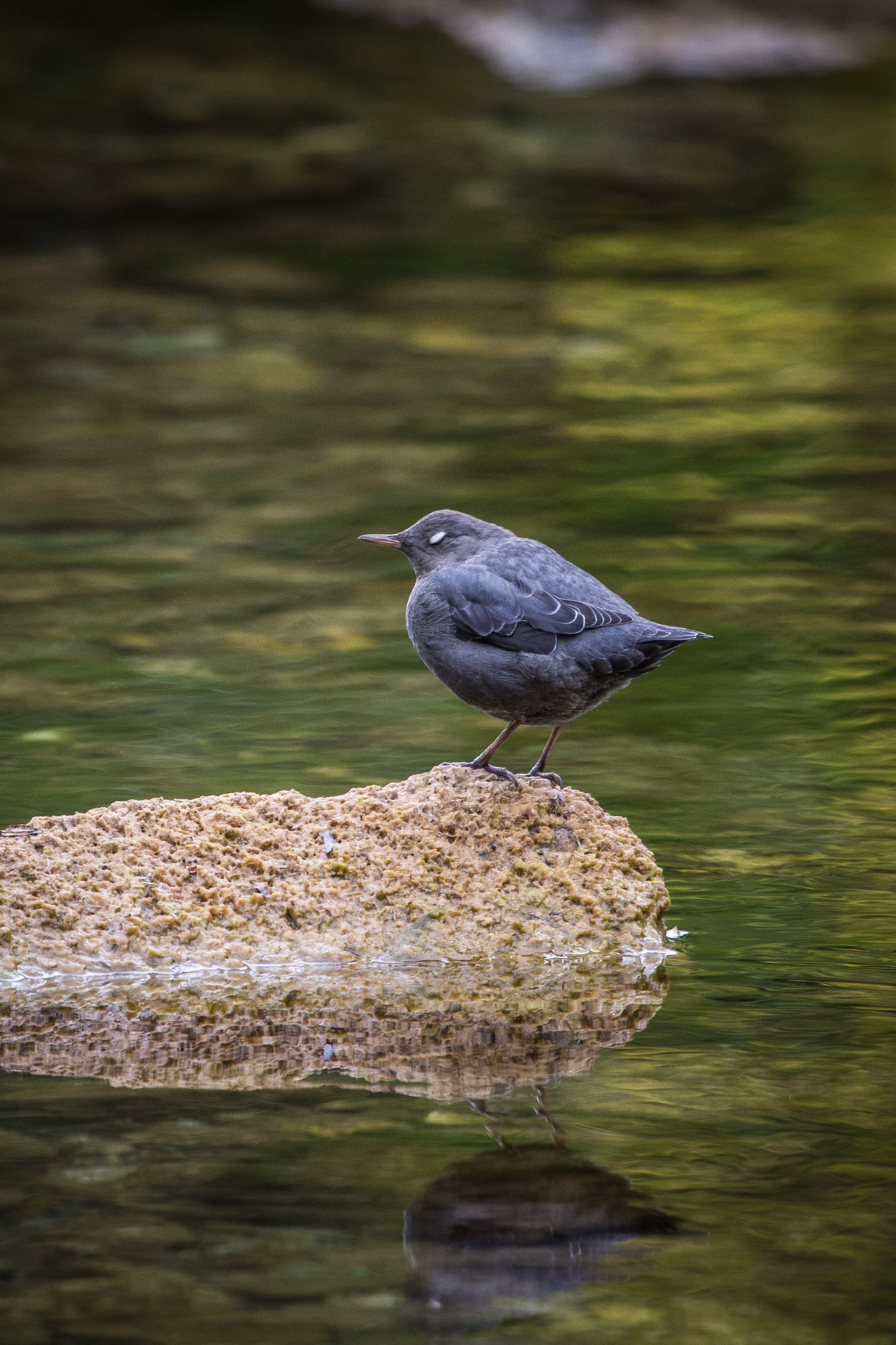
American Dipper
The American dipper is a stocky, round-bodied bird with grayish-brown feathers, a dark bill, and long, pale legs. The bird gets its name from bobbing up and down while standing, a funny but easily identifying trait. They sing a high-pitched song that is a series of whistled phrases, each repeated two to four times with a buzzy call that sounds similar to “dzeet.”
Learn more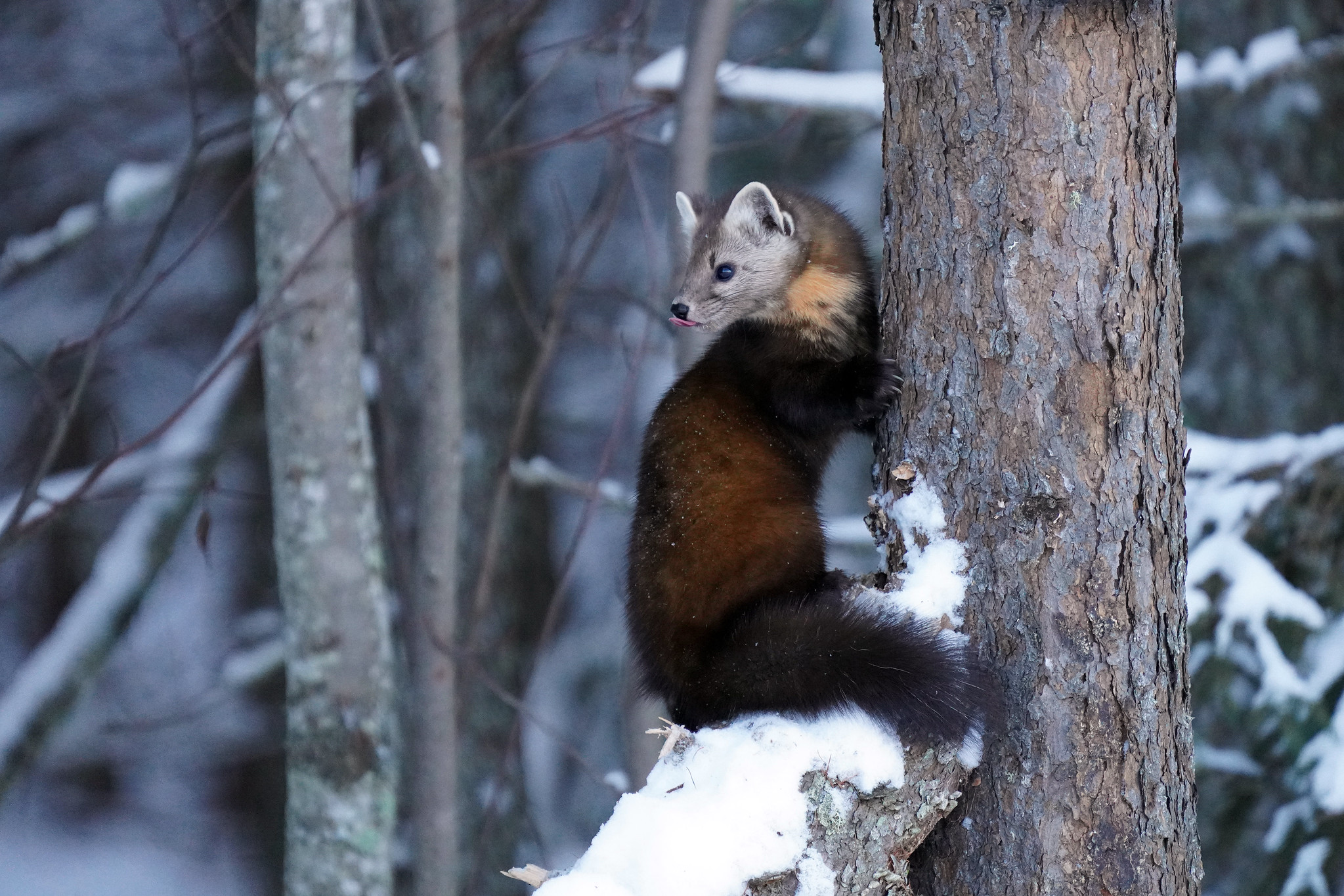
American Martens
Martes americana The American marten, also called a pine marten, is part of the weasel family. Pine martens have short limbs and a long, bushy tail. They are light to dark brown or black with a throat patch that is an irregular shape and size, with ranges in color from buff to bright orange.
Learn more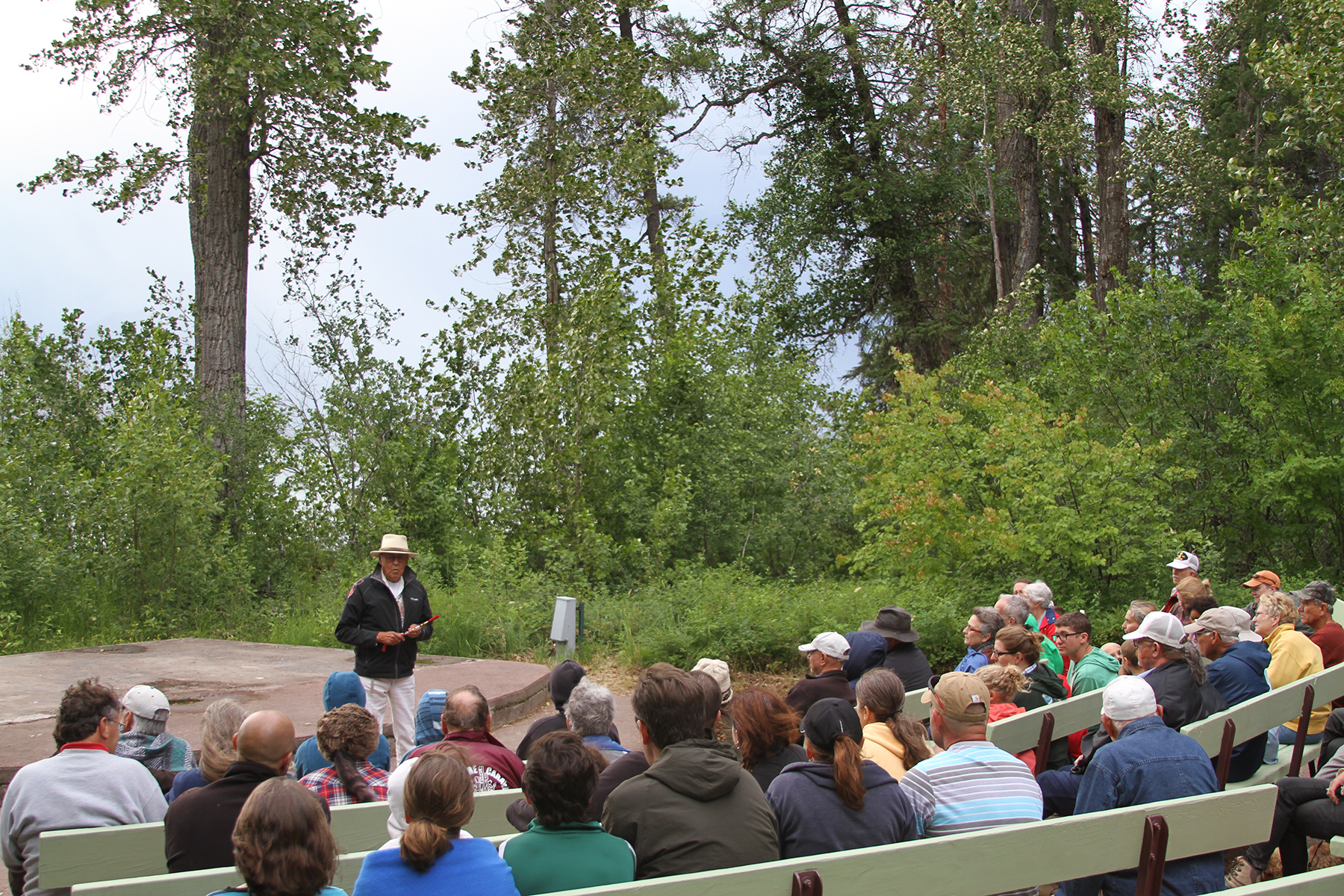
Attend One of Glacier's Evening Programs
30-60 MinutesEvening programs are a chance for rangers to help visitors find amazing meaning in specific park resources.
Learn more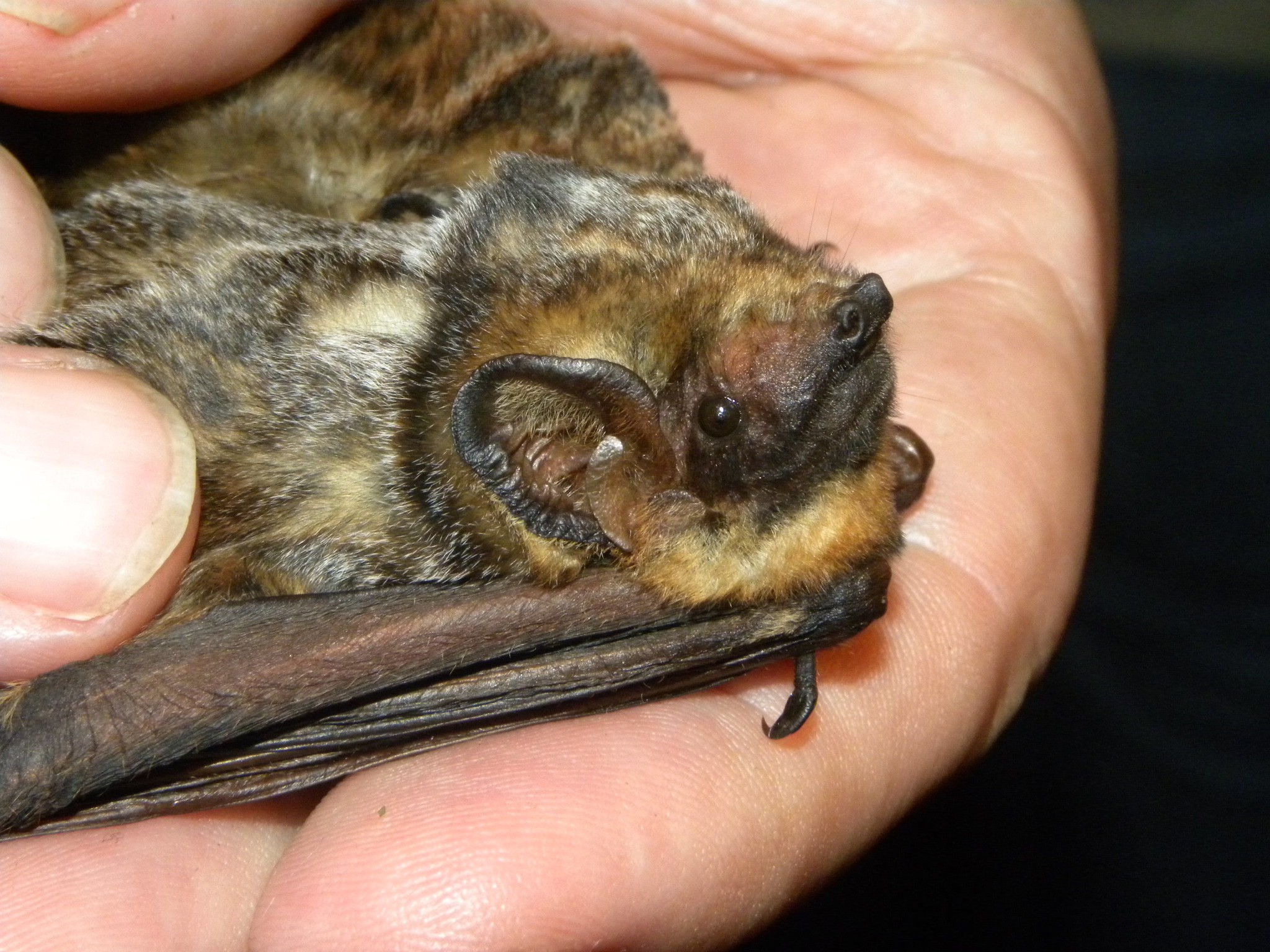
Bats
Bats are part of the mammalian order Chiroptera, which is ancient Greek for "hand wing." There are over 1,200 species of bats worldwide, with 9 species that call Glacier National Park home. All of Glacier's bat species are insectivores (insect-eaters).
Learn more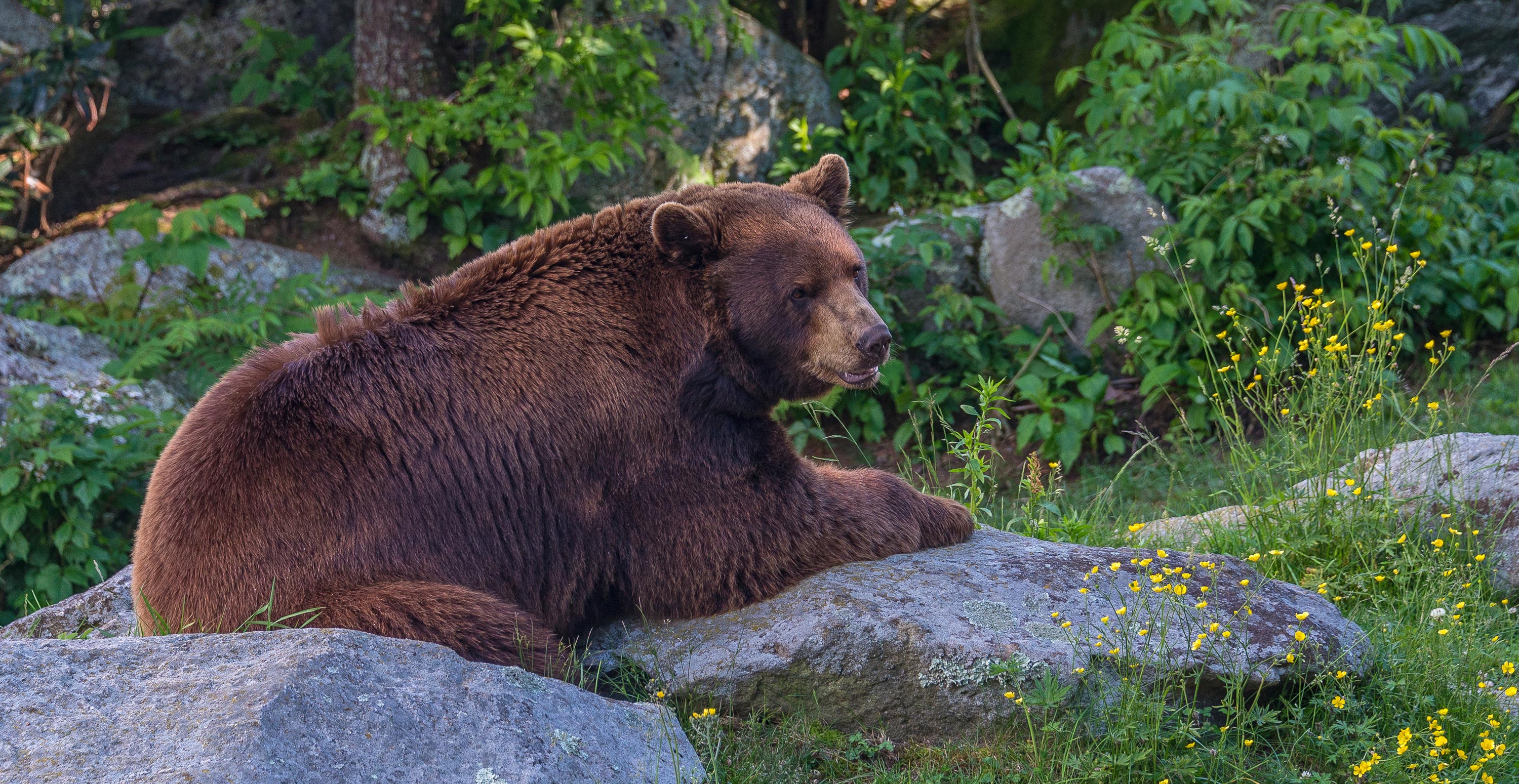
Bears
Glacier is home to two species of bears: grizzly bears (Ursus arctos horribilis) and black bears (Ursus americanus). Both species come in a range of colors from black to brown, reddish, or blond.
Learn more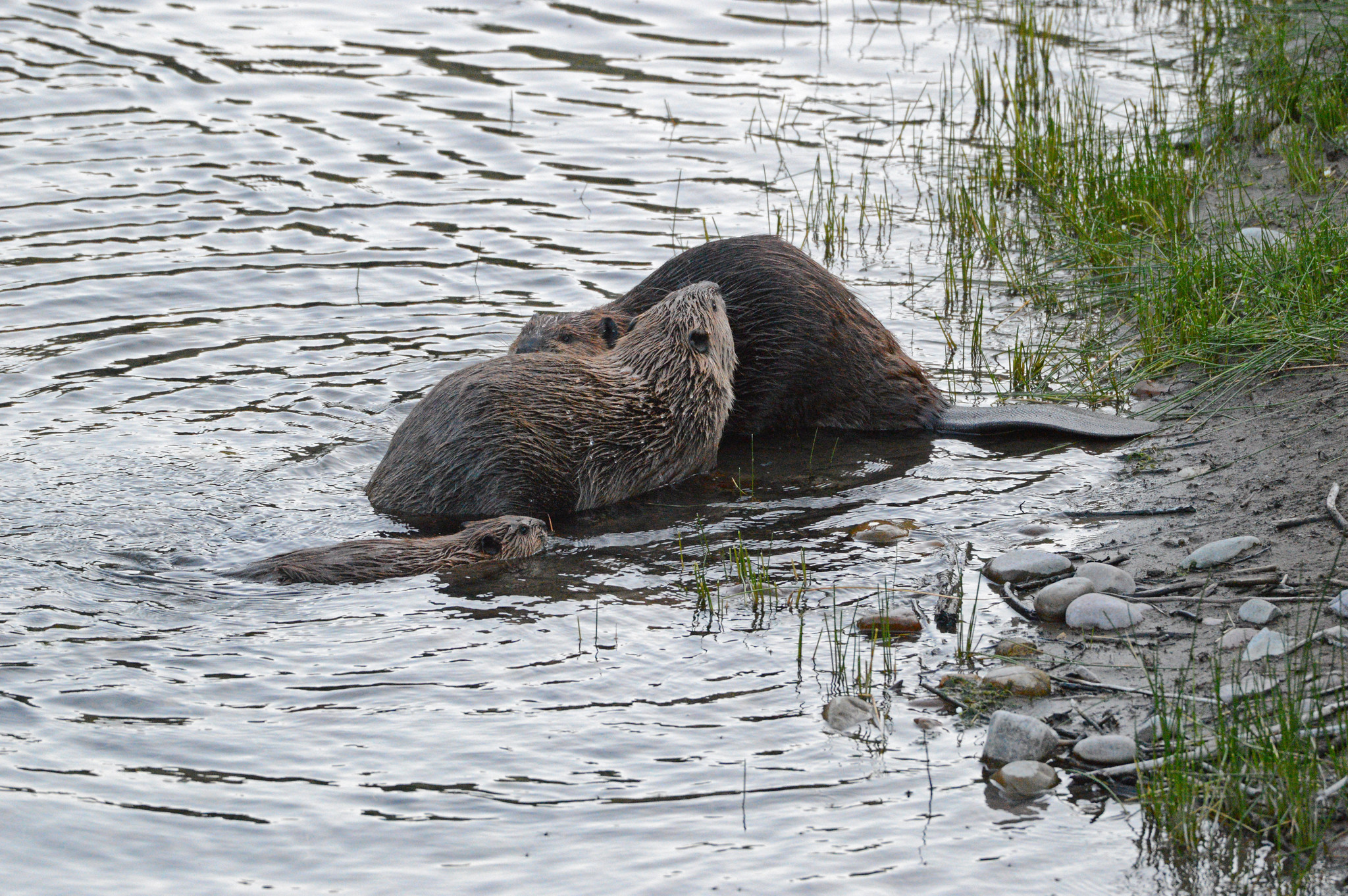
Beavers
The North American beaver is the second largest rodent in the world behind the Capybara of South America. Found throughout the U.S. and Canada, these semiaquatic ecosystem engineers constuct dams and lodges that affect the hydrology and ecology of their surroundings. As a keystone species, their presence in riparian habitats affects all neighboring animal and plant life.
Learn more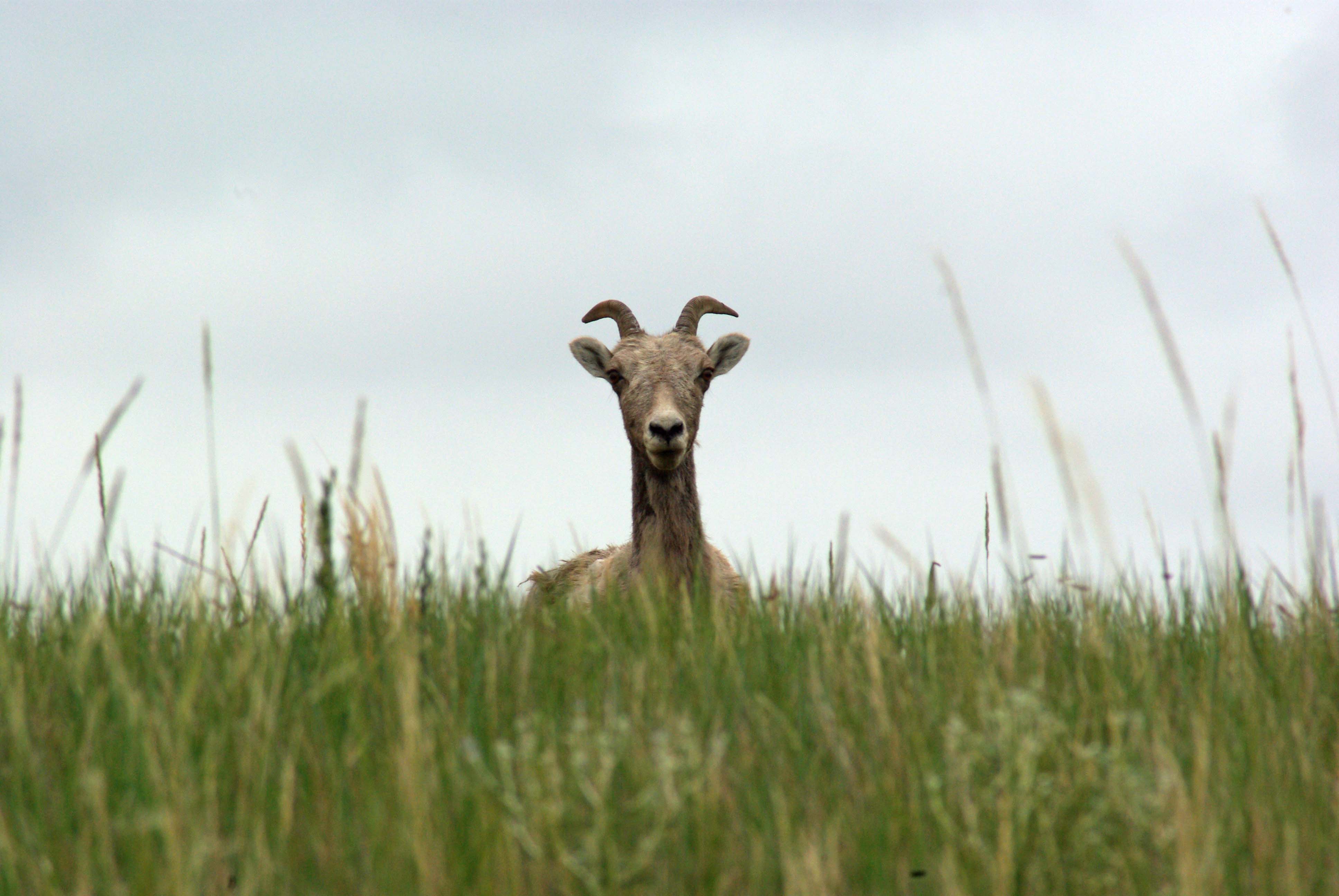
Bighorn Sheep
Bighorn sheep live in a variety of habitats throughout the year. During the summer, they can be found in meadows, fellfields, and on mid-elevation slopes bordered by cliffs and ledges. In the winter, sheep frequent windswept and south-facing valleys and ridges where forage is blown free of snow. Bighorn sheep can often be seen in the parking lot of Logan Pass licking antifreeze from the pavement, which is the most easily accessible source of salt in their diet.
Learn moreNo reviews yet. Be the first to share your experience!
Nearby on Poyst
Businesses near Glacier National Park.

Know a great spot near Glacier National Park?
Help visitors discover the best local businesses near Glacier National Park. List your business on Poyst and reach thousands of travelers.
- ✓Free business listing with photos & reviews
- ✓Appear in destination & city guides
- ✓Analytics dashboard to track visibility