30-60 Minutes
Birding on the Capers Creek Trail
Reconstruction Era National Historical Park
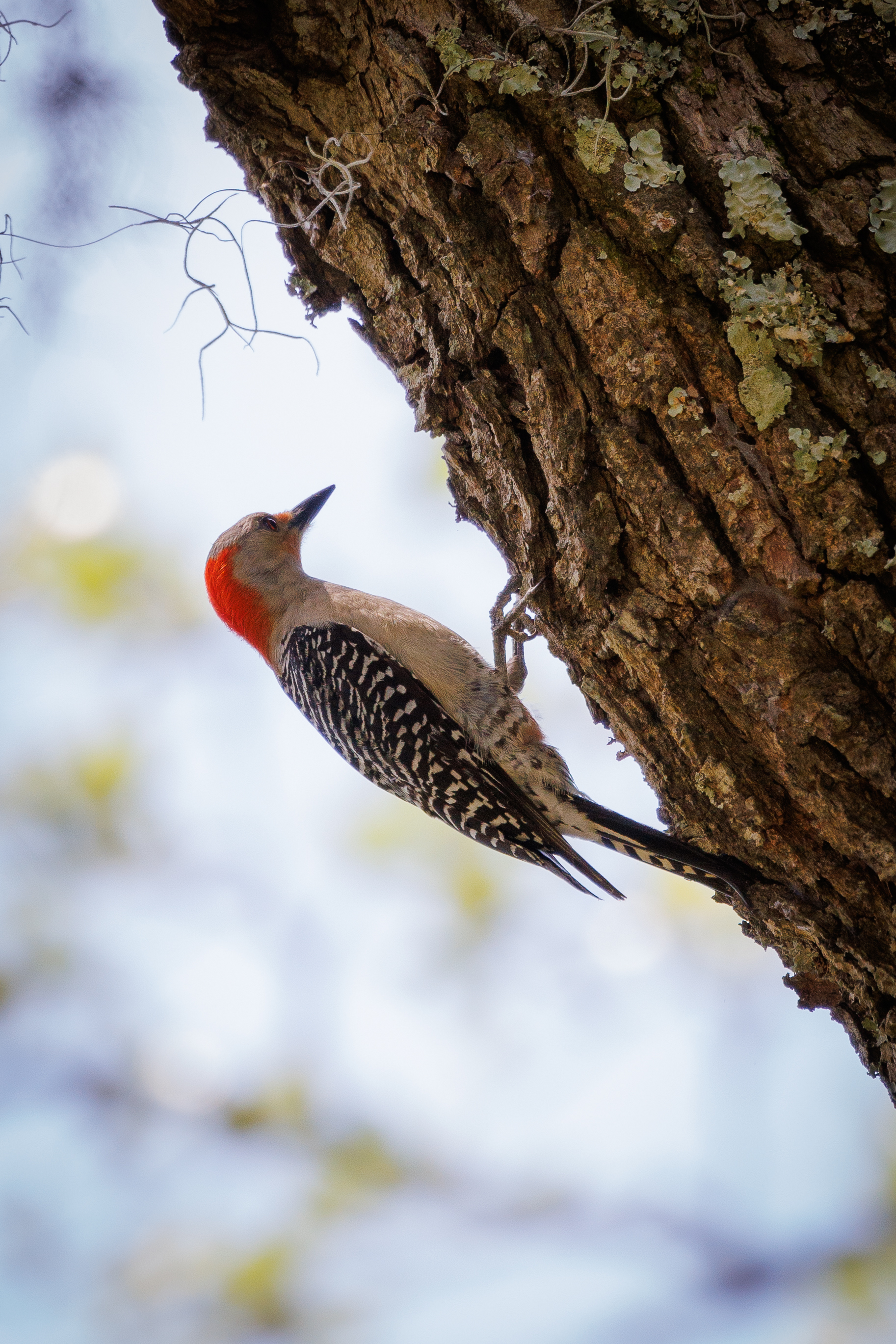
Grab your binoculars and bring them to the Capers Creek Trail. More than 100 different bird species have been observed along the Capers Creek Trail, in the forest surrounding Darrah Hall, and throughout the historic grounds of the Penn Center.
More than 100 different bird species have been observed along the Capers Creek Trail, in the forest surrounding Darrah Hall, and throughout the historic grounds of the Penn Center. These birds include both year-round residents—species that remain in the area throughout the year—and migratory birds that visit seasonally. Some migrants come to breed, while others use the area as a stopover during their long journeys between breeding and wintering grounds.Among the most commonly seen year-round songbirds in the park are: White-eyed Vireo (Vireo griseus) Carolina Wren (Thryothorus ludovicianus) Yellow-throated Warbler (Setophaga dominica) Northern Cardinal (Cardinalis cardinalis) Tufted Titmouse (Baeolophus bicolor) Blue Jay (Cyanocitta cristata) Many of the migratory birds seen here are neotropical migrants—species that breed in North America and spend the winter in Central and South America. Each year, nearly 200 species make this remarkable journey. While the majority are songbirds, such as warblers, thrushes, tanagers, and vireos, others include shorebirds like sandpipers and plovers, raptors such as kites, and even some waterfowl, including teal.These migrations can range from a few hundred miles to more than ten thousand. As food becomes scarce in the tropics during the dry season, birds travel north in search of more abundant food sources and suitable nesting grounds. In South Carolina, neotropical migrants begin arriving in April, with peak migration occurring from late April through early May.A few examples of migrants you might spot in the park include: Indigo Bunting (Passerina cyanea) Northern Parula (Setophaga americana) Prothonotary Warbler (Protonotaria citrea) Summer Tanager (Piranga rubra) Red-eyed Vireo (Vireo olivaceus) Spotting birds in the dense vegetation of Capers Creek Trail can be a fun challenge—binoculars help, but often it’s easier to hear them before you see them. Each species has its own distinctive calls and songs, and learning to recognize birds by sound can be a valuable (and rewarding) way to identify and appreciate the park’s rich birdlife.
Tags
BirdwatchingBirdsbirdingmigratory birdshikingReconstructionreconstruction eraReconstruction Era National Historic NetworkReconstruction Era National Historical Park
Visitor Photos
No visitor photos yet
Details
Duration
30-60 Minutes
Fees Apply
No
Seasons
Winter, Spring, Summer, Fall
Time of Day
Day
Accessibility
The Capers Creek trail is an easy 0.25 mile one way trail. The trail starts at the end of the grass field behind Darrah Hall. There is no wheelchair accessible path to the trail. There are roots on the path of the trail.
Pets
Yes — Pets must be on leash for the entire hike in accordance with the Superintendent's Compendium. There is a pet waste station at the beginning of the trail with a trash can and bags. Please pick up after your pet, pet waste is not a natural fertilizer and can lead to hazardous run off for the waterways.
Reservations
No
Location
Saint Helena Island, South Carolina