15-300 Minutes
Go Kayaking
San Juan Island National Historical Park
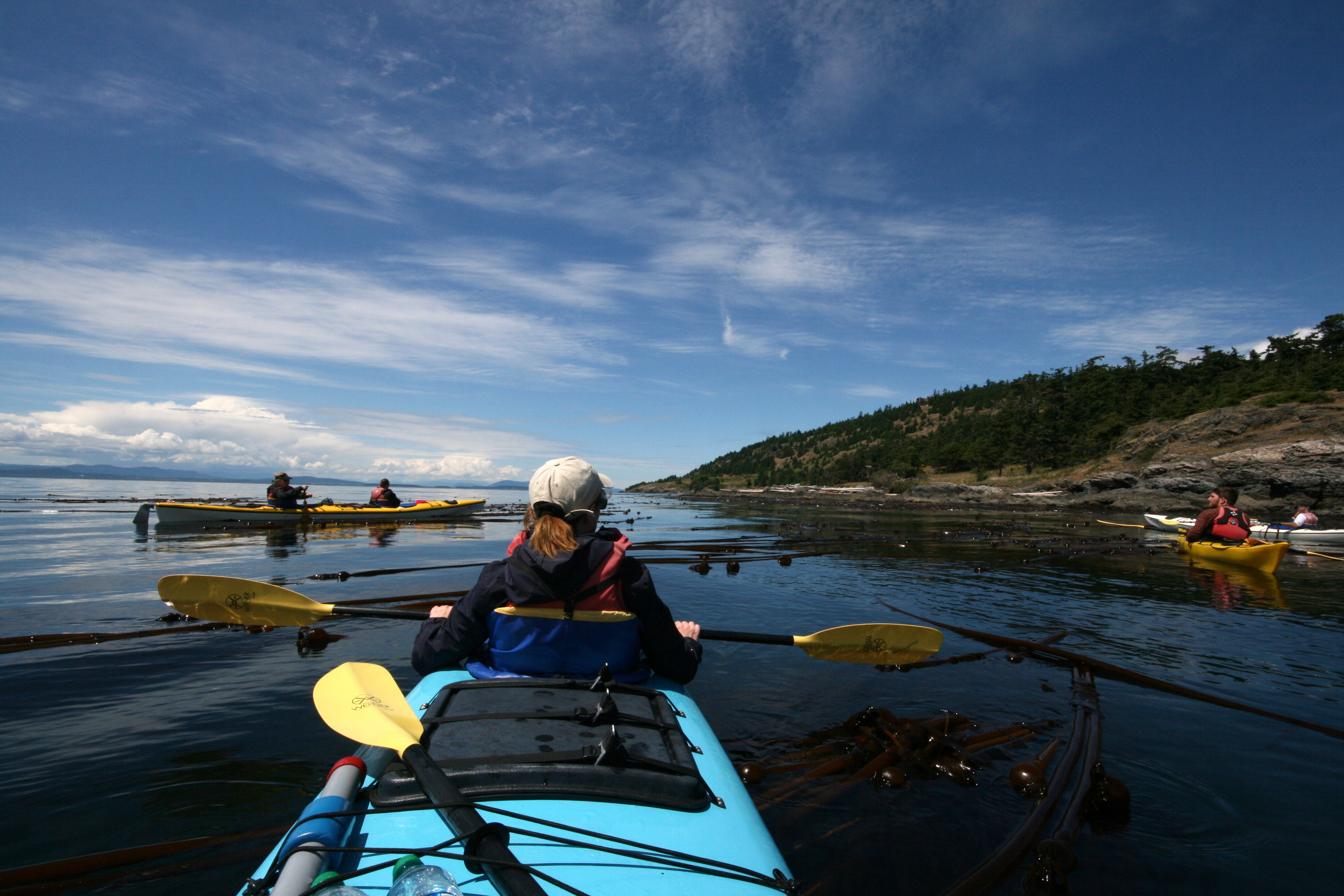
Many people come to San Juan Island seeking the adventure of exploring the area by boat. Sea kayaks are very popular for travel among the islands. Operating a small craft on the Salish Sea is fun and exciting, but can also be extremely hazardous when weather conditions become unfavorable. Paddlers must know their equipment, know their limits, obtain a current weather forecast, and respect the ever-changing environment of Puget Sound.
Kayak Many people come to San Juan Island seeking the adventure of exploring the area by boat. Sea kayaks are very popular for travel among the islands. Operating a small craft on the Salish Sea is fun and exciting, but can also be extremely hazardous when weather conditions become unfavorable. Paddlers must know their equipment, know their limits, obtain a current weather forecast, and respect the ever-changing environment of Puget Sound. Launches, Locations, & Parking There are areas to launch kayaks in both American Camp and English Camp. Kayak launching is prohibited at English Camp to protect park cultural and natural resources. At American Camp, visitors can launch from Fourth of July Beach and South Beach. Vessels can be carried from the parking lot and launched directly from shore. What To Expect Before You Arrive San Juan Island is renowned for it's water resources including the beaches, lighthouses, and island camping. Before you get to the park make sure you have the right equipment. Because of Puget Sound's power and unpredictability, the National Park Service does NOT recommend the use of small open boats, canoes, open cockpit or sit-upon kayaks, and paddleboards for travel between islands. A sea kayak is the recommended kayak that should be used in the San Juan Islands. Equipment Do you have the proper equipment for kayaking on the Salish Sea? PFD (Personal Flotation device) / Life jacket- required Whistle or Air horn- required Wet suit or dry suit Spray skirt Paddle Float Bilge Pump Marine/VHF Radio Rescue Techniques Can you save yourself? Help is not a phone call away! Cell phone service is spotty within the park boundaries and even worse on the water. Even if you are able to get a 911 call out, help is still far away, 30 minutes at the least. Rescue time of 60-90 minutes or longer is more likely. If the weather is rough, no one will be able to respond until the weather calms down. You need to be able to perform a self rescue. Read, research, and take lessons. Then practice, practice, practice! Always wear your PFD (life jacket). Wear a wetsuit. Cold water kills! Paddle with others. Make sure they know how to perform rescues too. Leave a float plan with someone who cares about you. Don't forget to tell them when you get back so they don't start a search.
Tags
KayakingBirdsFishCoasts, Islands and AtollsMaritimeMaritime - MilitaryOceansWhaleskayak
Visitor Photos
No visitor photos yet
Details
Duration
15-300 Minutes
Duration Details
Visitors can kayak at their leisure for the duration of their choosing, while aligning it to their comfort level.
Fees Apply
No
Seasons
Winter, Spring, Summer, Fall
Time of Day
Day, Dawn, Dusk
Accessibility
Accessibility is difficult to these locations. Many launch points may require walking down uneven trail sections, over driftwood, and through sand with no stability infastructure in place.
Pets
Yes
Reservations
No
Location
Multiple Launch Points