Overview
About Great Sand Dunes National Park & Preserve.
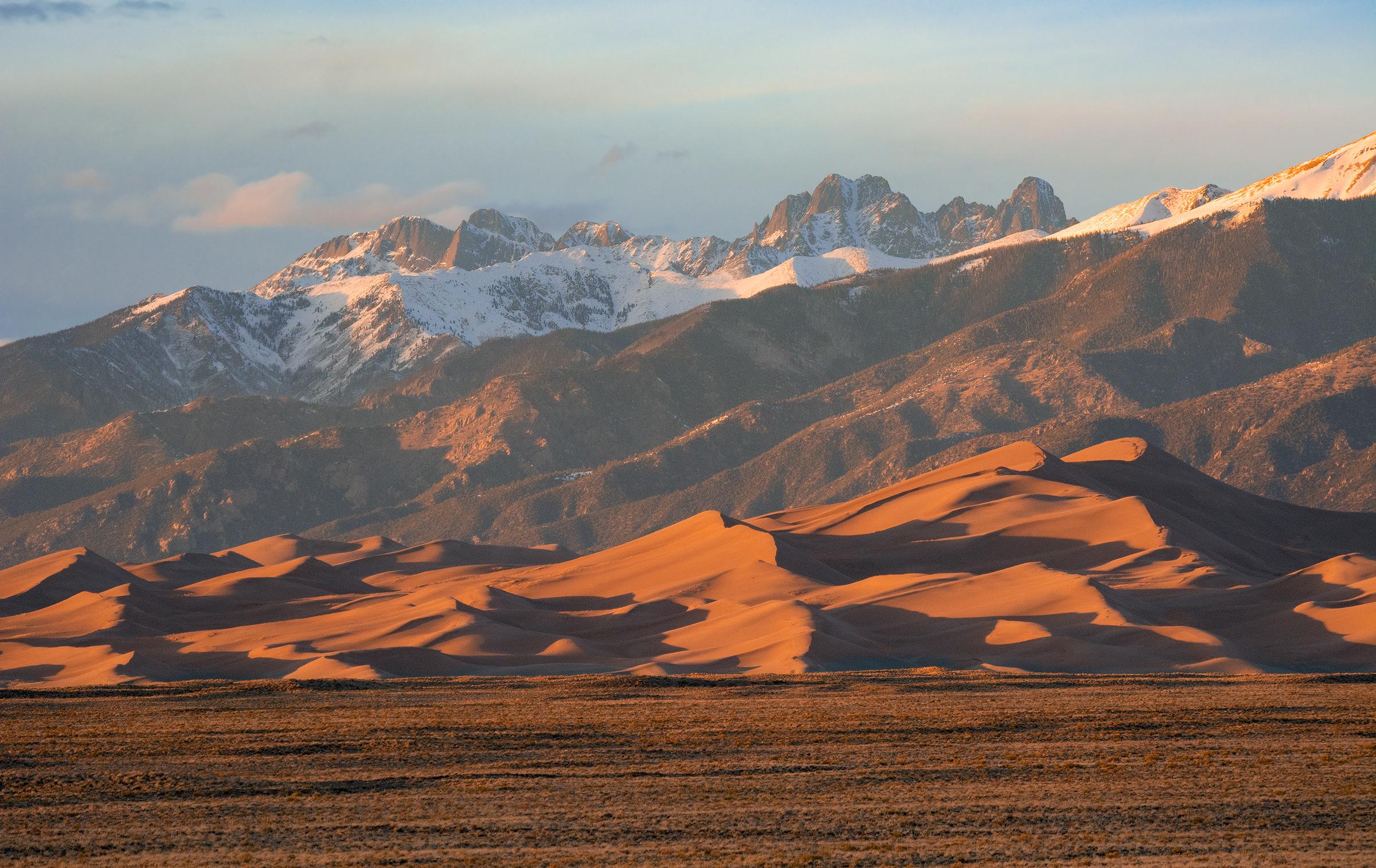
The tallest dunes in North America are the centerpiece in a diverse landscape of grasslands, wetlands, forests, alpine lakes, and tundra. Stay on a moonless night to experience countless stars in this International Dark Sky Park! Open 24 hours a day, 7 days a week year-round. There are no timed entries or reservations to visit.
Arts and CultureCraft DemonstrationsLive MusicAuto and ATVAuto Off-RoadingAstronomyStargazingBikingMountain BikingCampingBackcountry CampingCar or Front Country Camping
Weather
Temperatures are relatively cool all year at the park elevation 8000 ft. Conditions are most often calm, but winds can arise, especially in spring and during storm fronts. Daytime temperatures feel warmer here year round due to intense high-altitude sunlight, and mid-day summer sand surface temps can be 160 degrees F! Plan to explore the dunes morning or evening during summer. Nights are cool in summer, and frigid in winter. Visit https://nps.gov/grsa/planyourvisit/weather.htm for details
Entrance Fees
Entrance - Private Vehicle$25.00
Fees are charged only when the entrance station is open in the spring, summer, and fall seasons or when the visitor center is open in the winter season. Fees can be paid by cash, check, or credit card. Passes may also be purchased in advance online through recreation.gov .
Entrance - Non-commercial Groups$15.00
15+ passenger vehicle, age 16+
Entrance - Motorcycle$20.00
Valid for 7 days. Admits up to 2 private, non-commercial motorcycles with up to 4 total passengers.
Commercial Entrance - Sedan$25.00
This fee is for a commercial group of 1-6 people in a smaller vehicle. Valid for 7 days.
Commercial Entrance - Van$40.00
This fee is for a commercial group of 7-15 persons in a van. Valid for 7 days.
Gallery
Photos of Great Sand Dunes National Park & Preserve.
8 images
Things to do
Discover Great Sand Dunes National Park & Preserve.
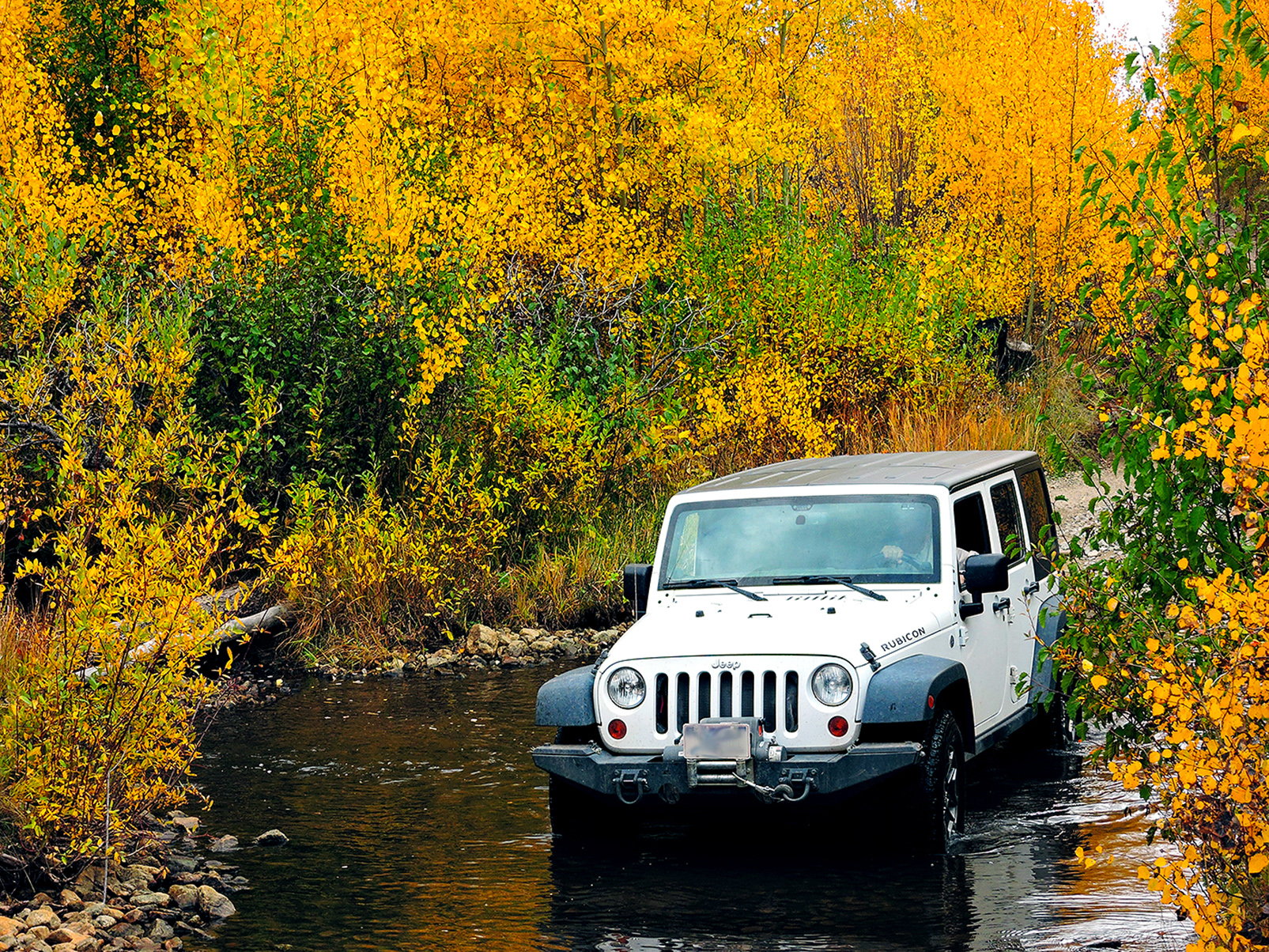
4WD Medano Pass Primitive Road
1-3 HoursDrive a a 4WD around the eastern edge of the dunes then over a forested mountain pass. Be prepared for soft sand, creek crossings, and rocky terrain.
Learn more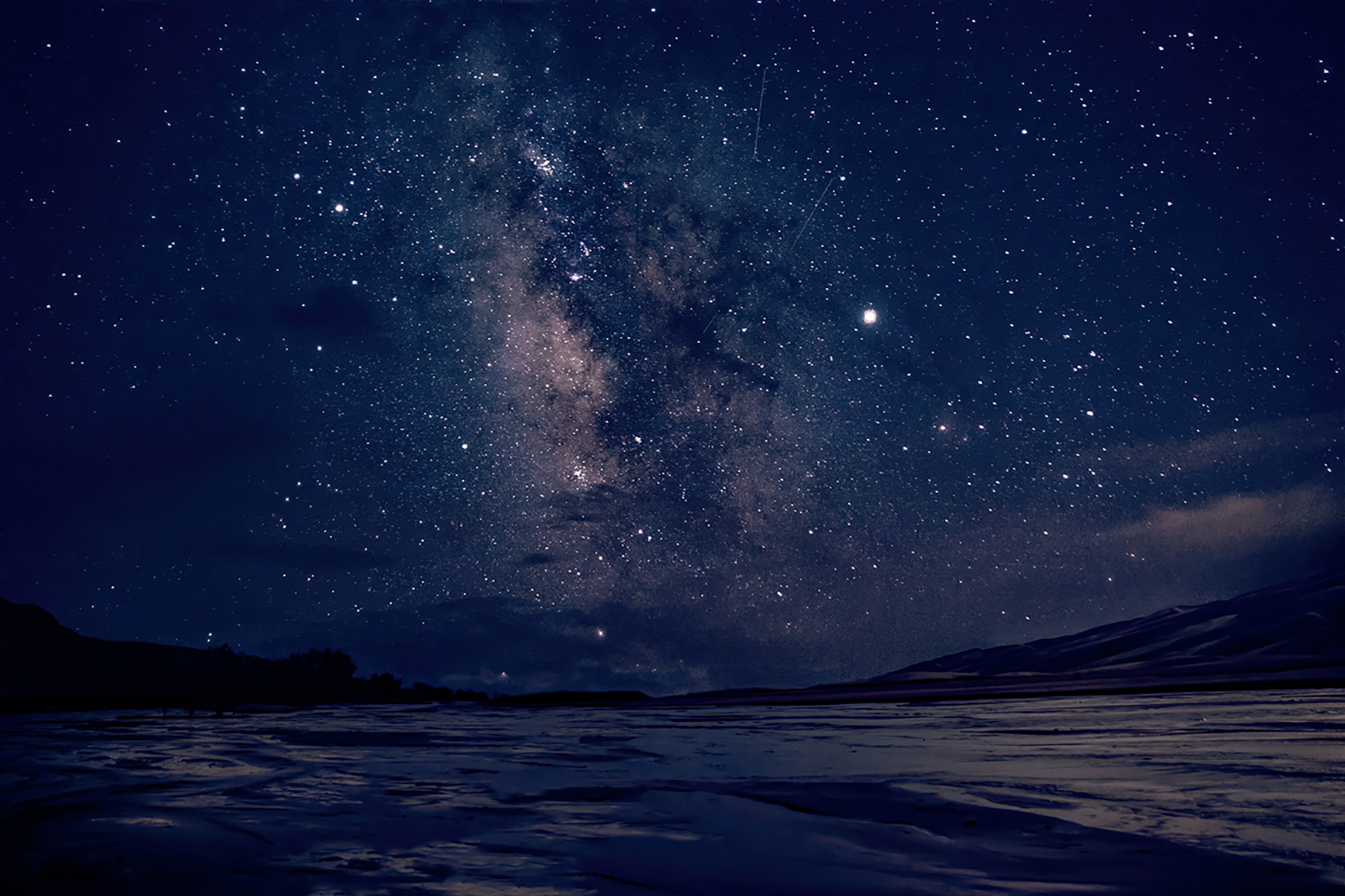
Experience the Night
30-300 MinutesHalf the park is after dark! Night at Great Sand Dunes can include dunes exploration under a bright full moon, viewing thousands of stars on a clear moonless night, listening for owls along the foothills, or observing migrating amphibians on a wet night.
Learn more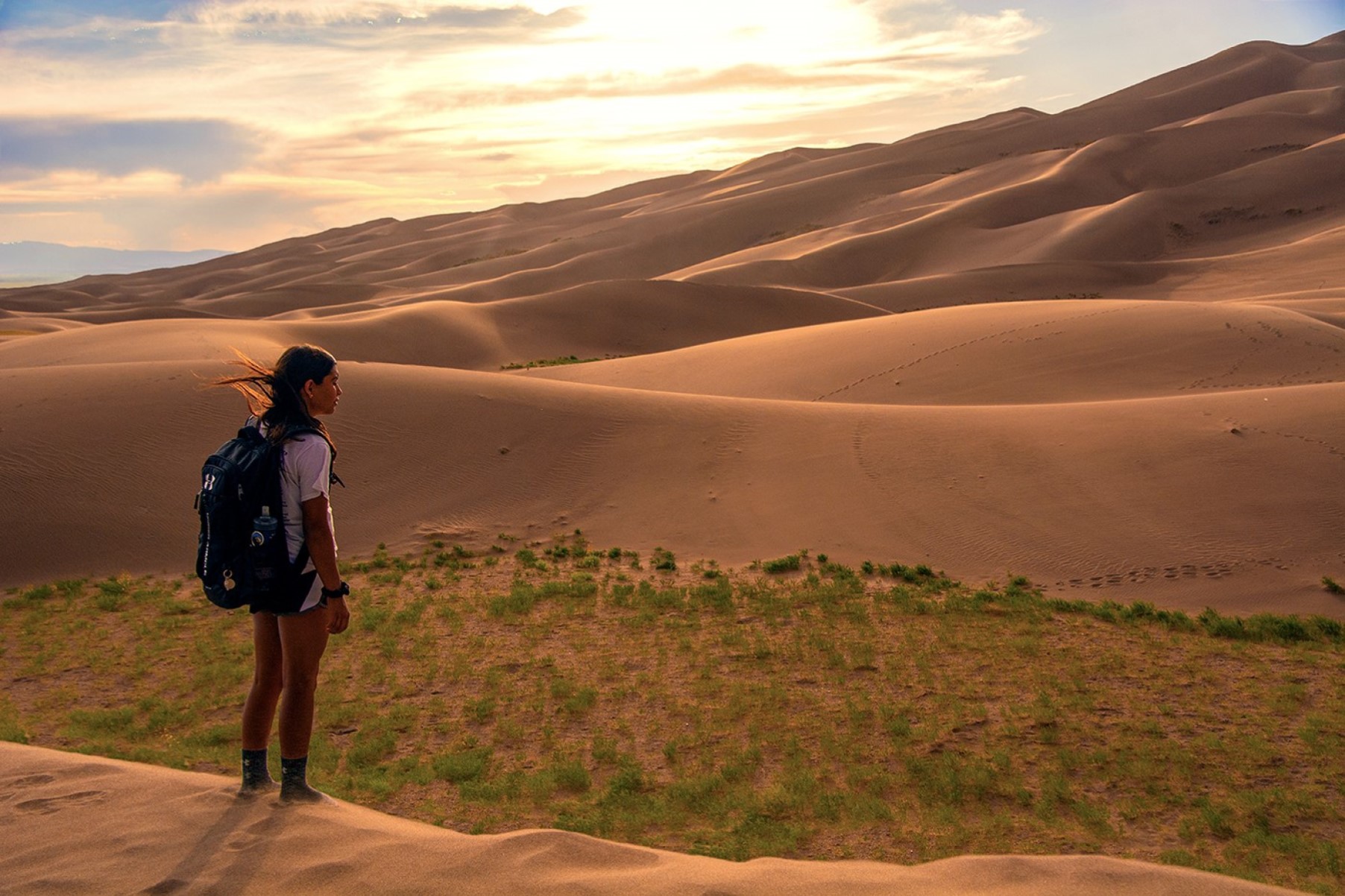
Explore the Dunes
Explore the tallest dunes in North America! The centerpiece of Great Sand Dunes National Park and Preserve is the 30-square-mile (78-square-km) dunefield, featuring the tallest dunes in North America. Because there are no trails, you can venture out anywhere you'd like to discover unusual insects, plants, wildlife tracks, ripples, and sand grains of every color.
Learn more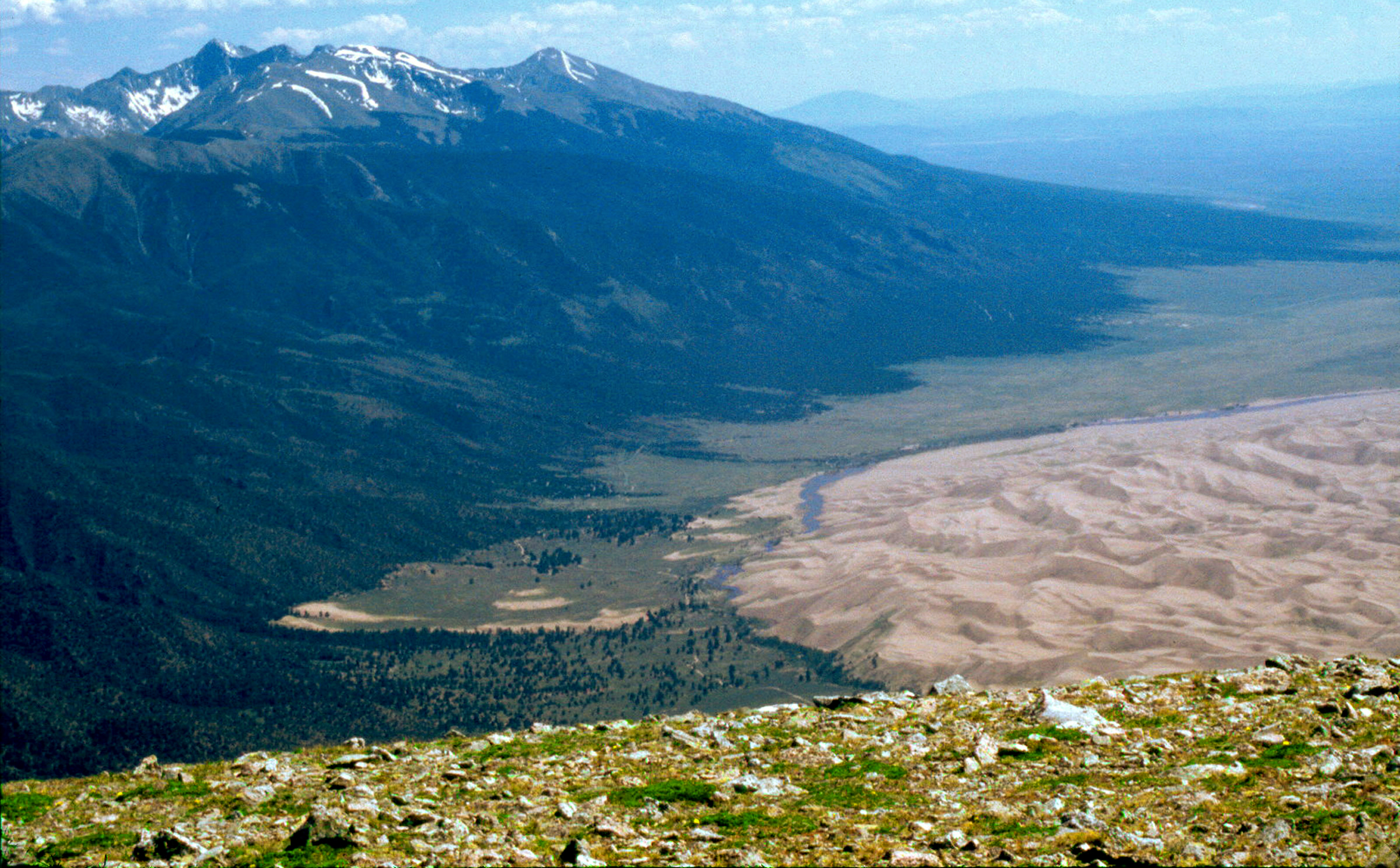
Hike Medano Lake and Mount Herard
8-12 HoursTake your 4WD vehicle around the dunes and up to Medano Pass, hike to a small alpine lake, then continue to the summit of 13,297 ft (4,053 m) Mount Herard for an aerial perspective on the entire dunefield! This is a physically demanding but incredibly rewarding way to experience many of Great Sand Dunes National Park and Preserve's ecoystems, from desert dunes to alpine tundra. Watch the high-energy 40-second video to get a glimpse of this unique experience!
Learn more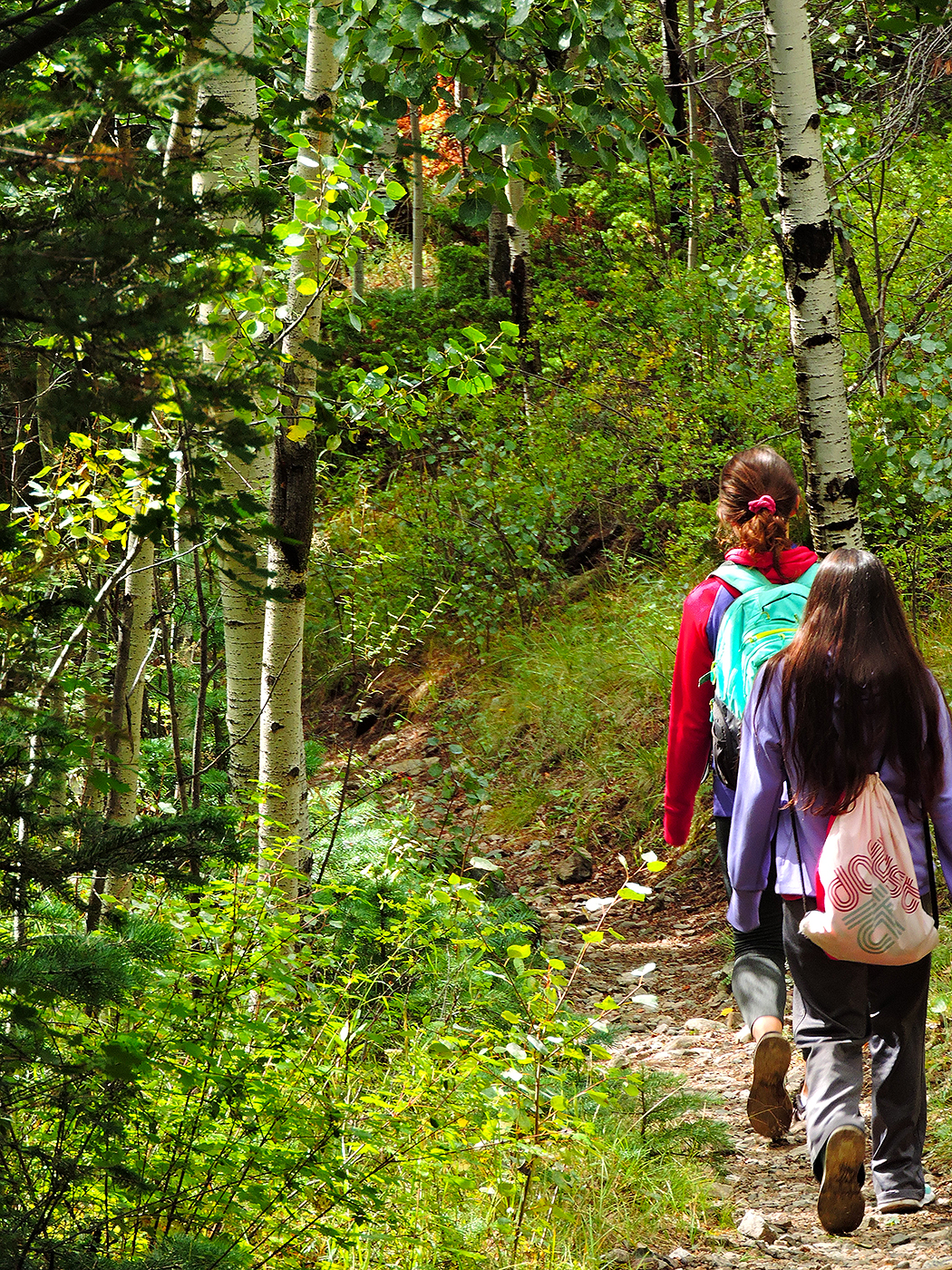
Hike Montville Nature Trail or Mosca Pass Trail
30-240 MinutesJust above the dunefield are montane woodlands of pinon and ponderosa pine, subalpine aspen and conifer forests, alpine lakes and rugged mountains over 13,000 feet (4,000 m) in elevation. The easiest access to forest in the national park is on the Montville Nature Trail and Mosca Pass Trail.
Learn more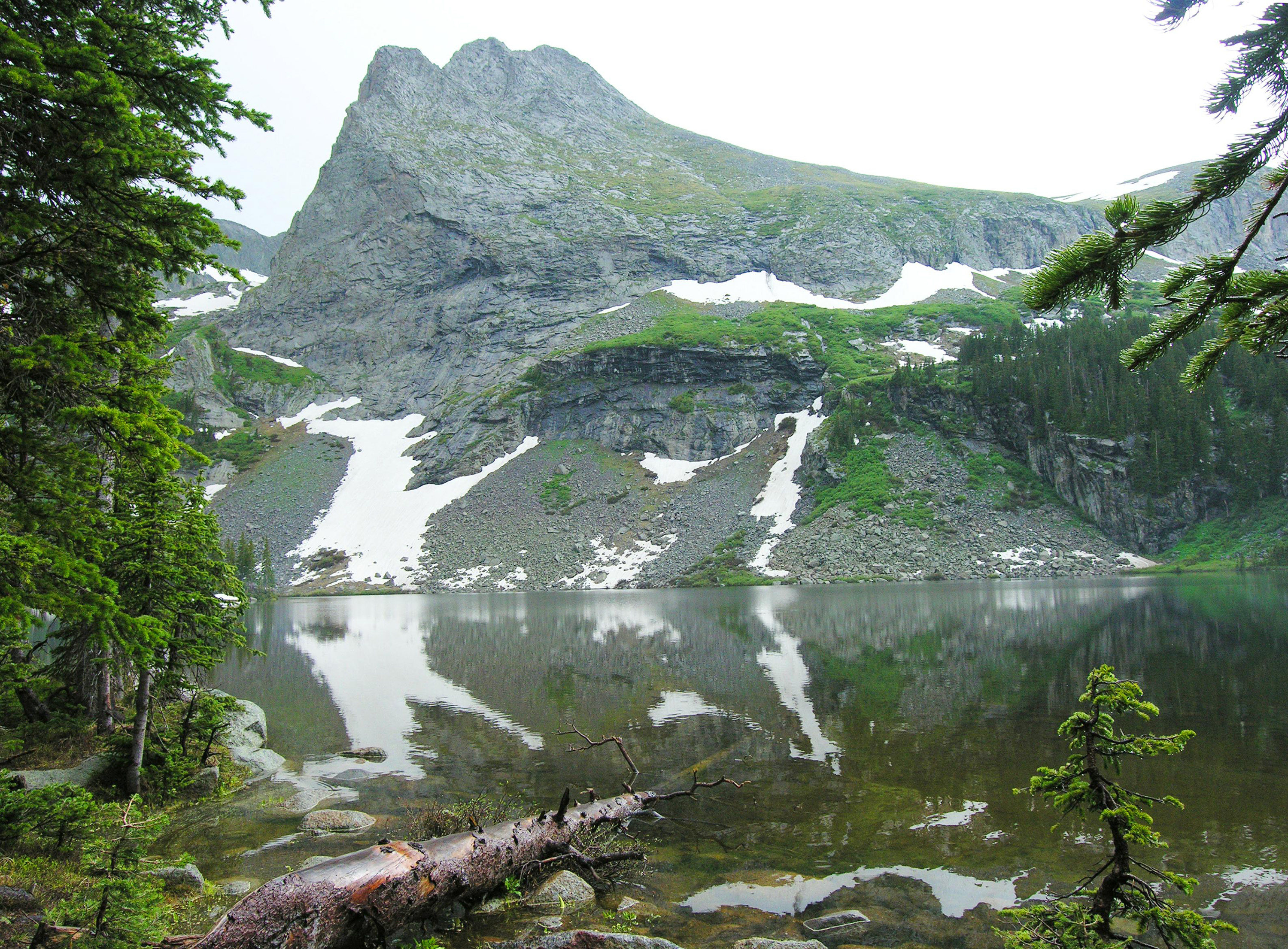
Hike Sand Creek Lakes
10-15 HoursSand Creek Lakes are part of the alpine watershed of Great Sand Dunes National Preserve. A longer drive and hike is required to reach these lakes, but the mountain scenery is worth the effort. Check with a ranger for conditions before travel. Snow may block these trails from November into June.
Learn more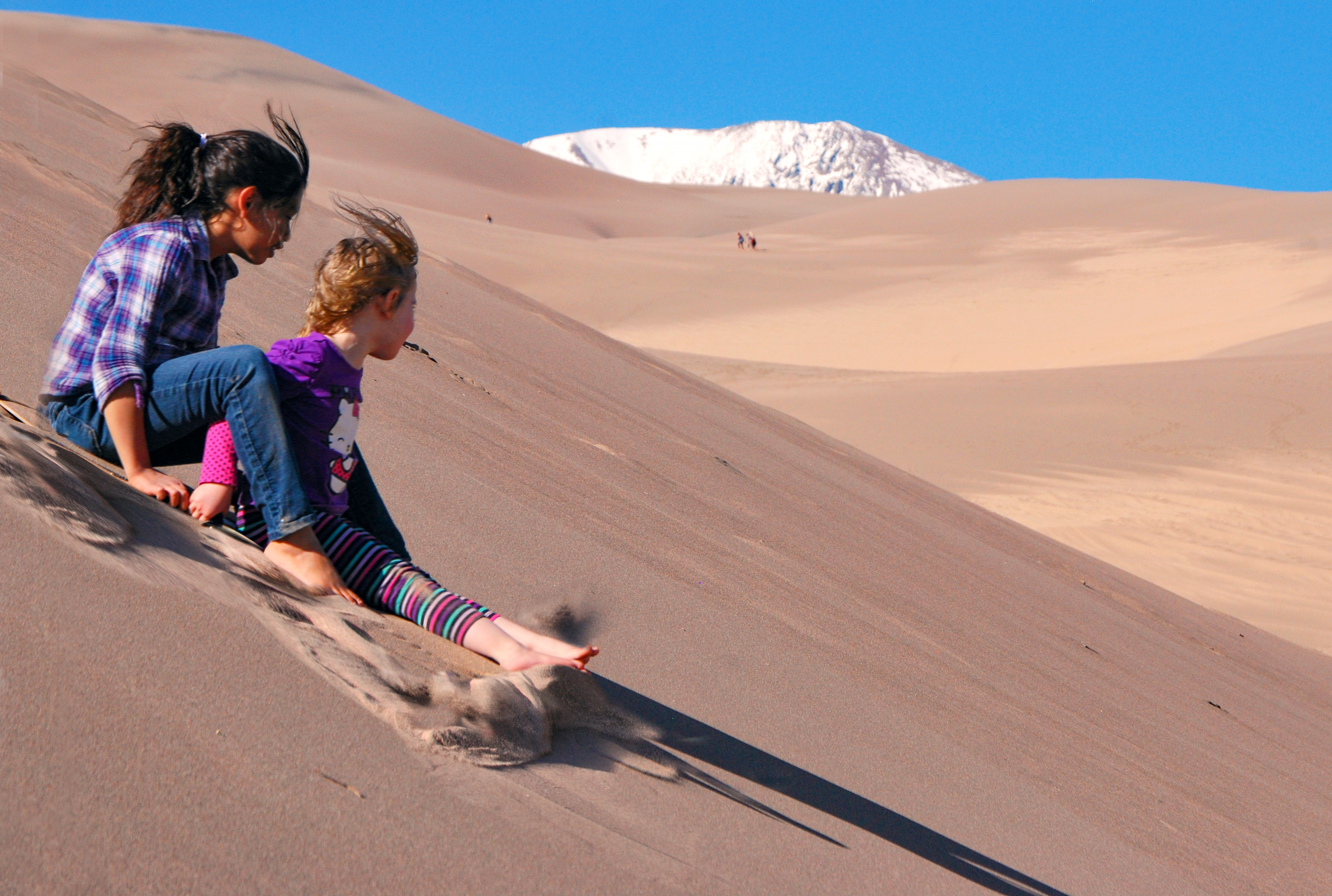
Sandboarding and Sand Sledding
2-8 HoursSandboarding and sand sledding are the most popular activities on the dunes. Read the information on this page to have a positive, fun, and safe experience.
Learn more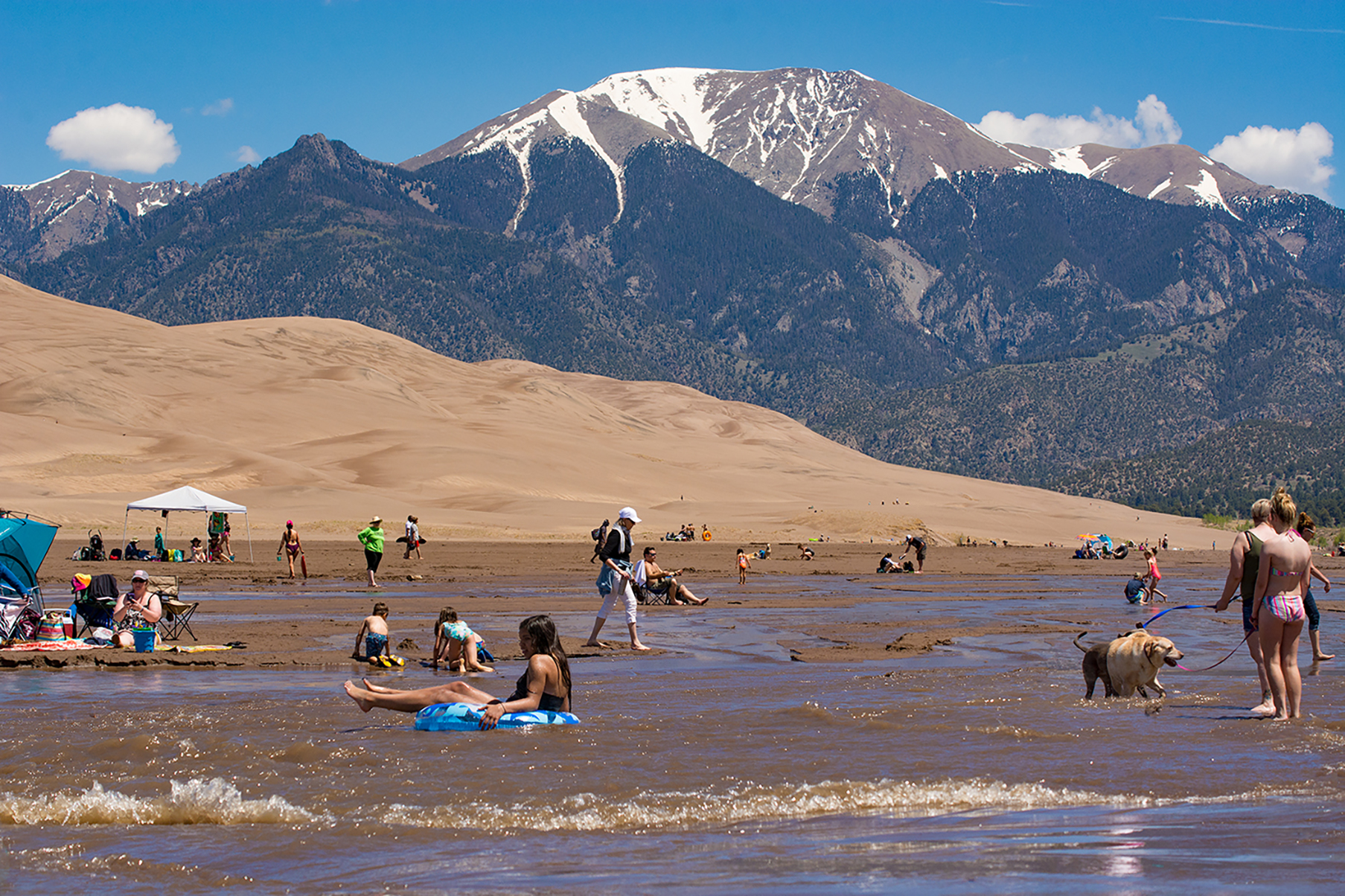
Splash in Medano Creek
1-8 HoursMedano Creek is a popular seasonal stream enjoyed by all ages.
Learn moreNo reviews yet. Be the first to share your experience!
Know a great spot near Great Sand Dunes National Park & Preserve?
Help visitors discover the best local businesses near Great Sand Dunes National Park & Preserve. List your business on Poyst and reach thousands of travelers.
- ✓Free business listing with photos & reviews
- ✓Appear in destination & city guides
- ✓Analytics dashboard to track visibility