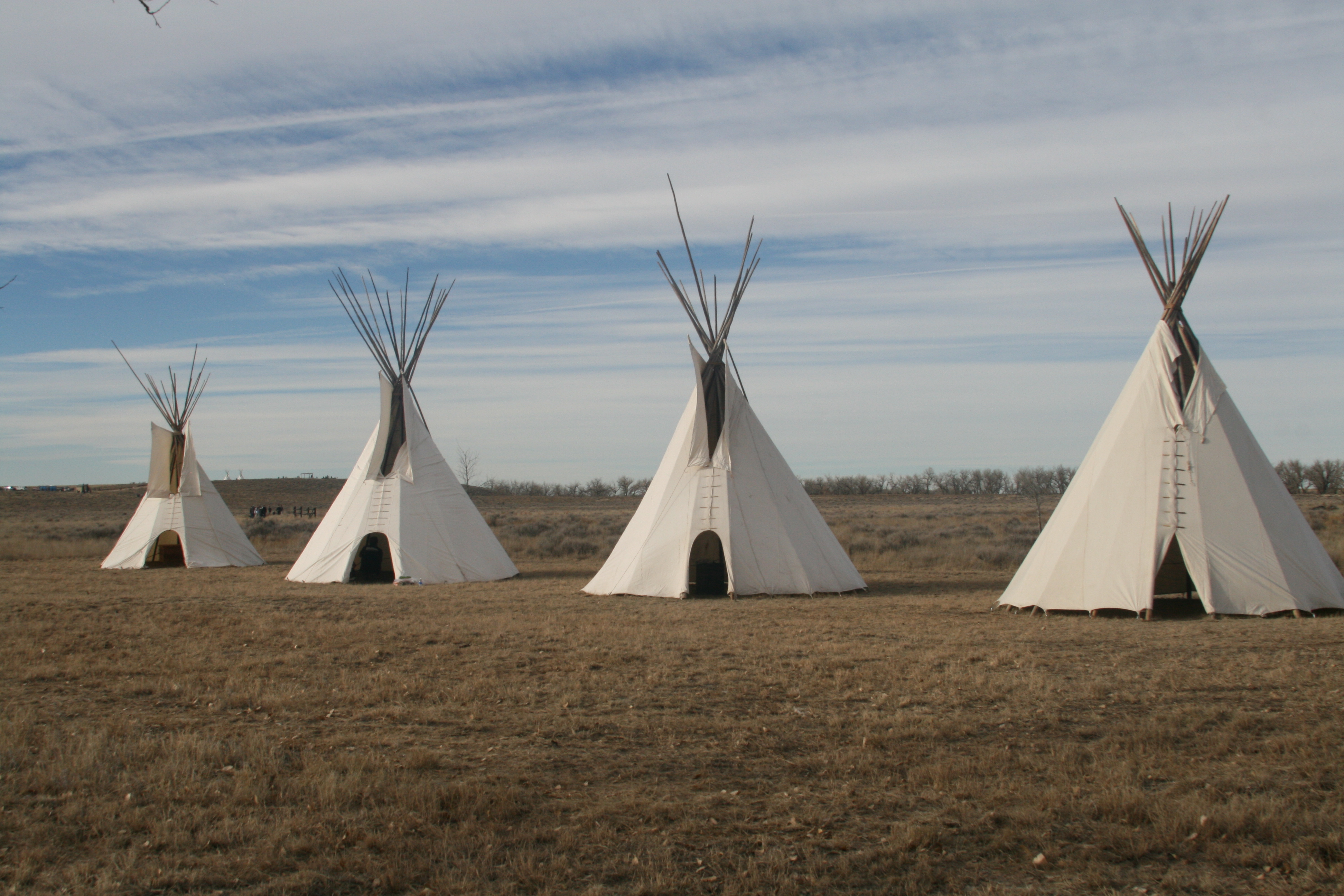
Overview
About Sand Creek Massacre National Historic Site.
On November 29th, 1864, Chiefs Black Kettle, White Antelope, Left Hand and others were encamped with around 750 Arapaho and Cheyenne people in a valley by the Big Sandy Creek. A hope for peace, brought forth by Black Kettle was in the balance. It was a tragic day where the blood of the Cheyenne and Arapaho was shed, and a painful memory for generations of Native Americans was made.
Guided ToursHikingWildlife WatchingBirdwatchingShoppingBookstore and Park Store
Weather
Weather conditions at the park vary considerably. Temperatures range from over 100°F in summer to under 20°F in winter. Visitors can expect blowing dust and sand year-round, especially during infrequent storms. Some of these storms produce violent tornadoes or large blizzards, so prepare accordingly, and contact the on-duty Ranger to ask about road conditions at (719)-438-5916
Gallery
Photos of Sand Creek Massacre National Historic Site.
6 images
Things to do
Discover Sand Creek Massacre National Historic Site.
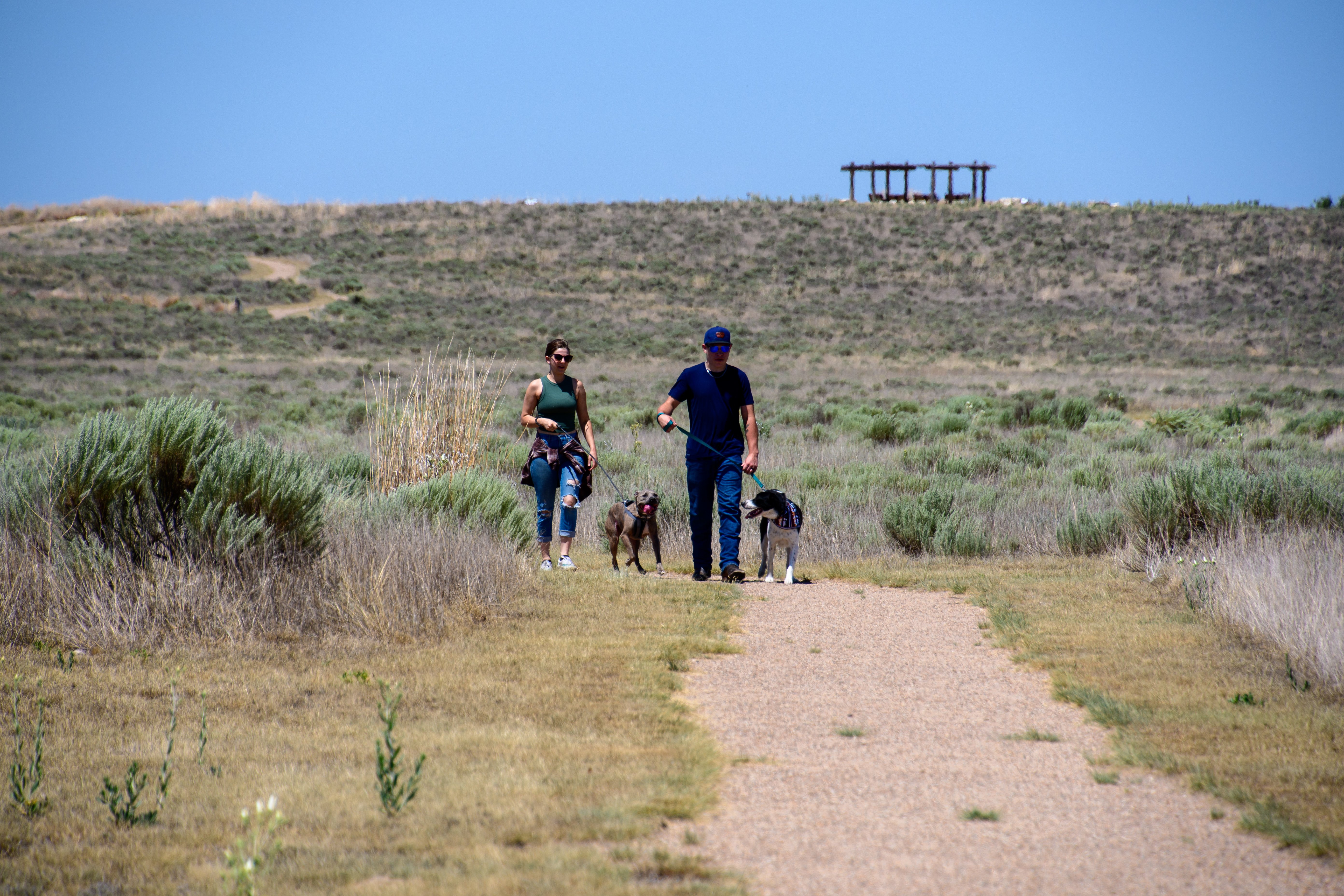
Be a Sand Creek B.A.R.K. Ranger
5-15 MinutesBring your furry friend to the Sand Creek Massacre National Historic Site and take the B.A.R.K. Ranger pledge!
Learn more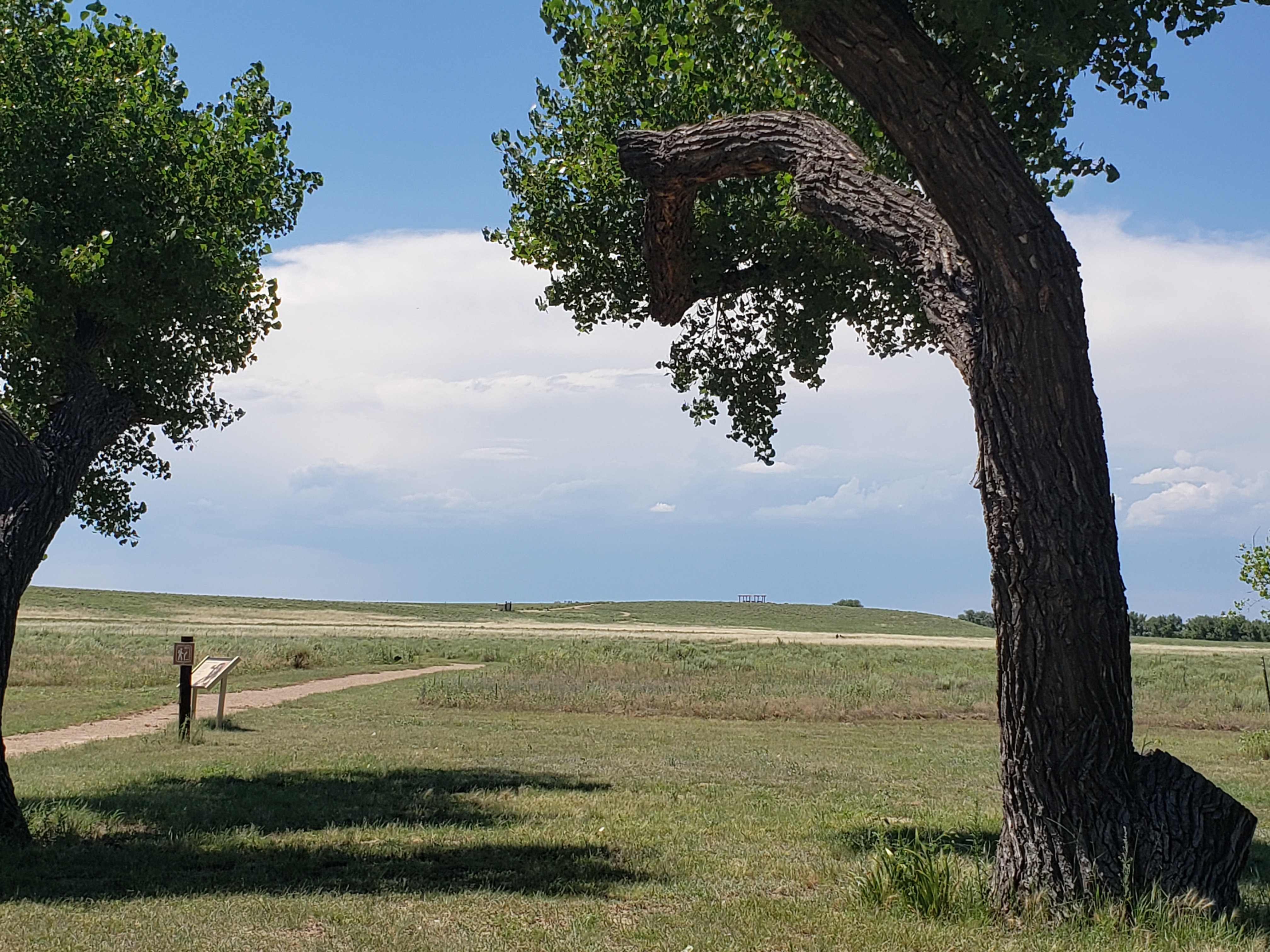
Hike the Monument Hill Trail
The Monument Hill Trail runs from the orientation area to the hill where the overlook is located. Exhibits and benches along the trail introduce the events which led to the massacre.
Learn more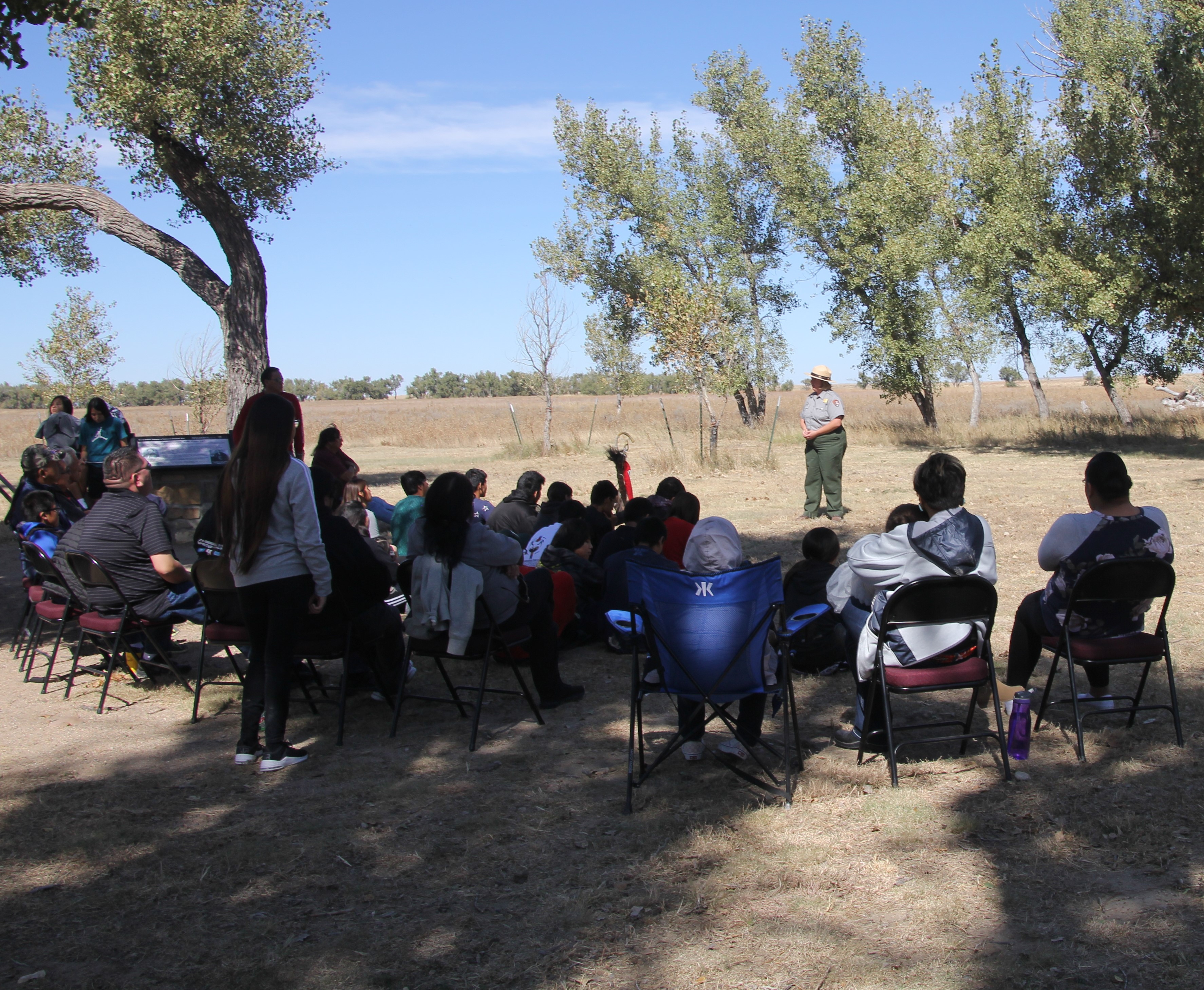
Sand Creek Ranger Talk
30-40 MinutesThe Sand Creek ranger talk discusses the events of the mid 1800's and describes some of the social, economic, and political factors that contributed to the Sand Creek Massacre. Please note that this is a stationary talk, not a walking tour.
Learn more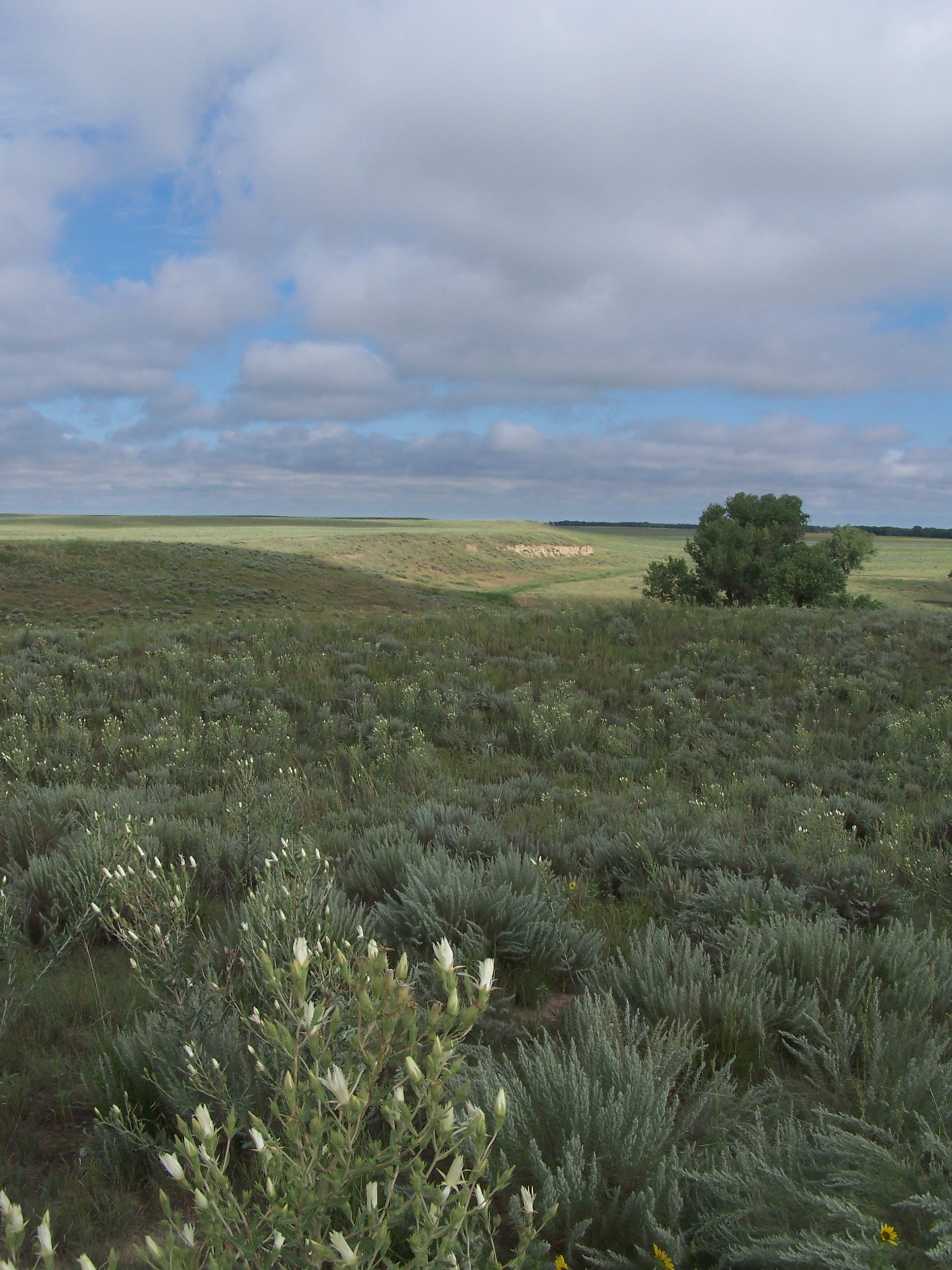
The Bluff Trail
The Bluff Trail is approximately three-quarters of a mile long and runs northwest from the overlook along the bluff overlooking the Big Sandy Creek at roughly the 4,000-foot contour line. Benches and wayside exhibits along the trail allow for moments of peace, solitude, and reflection.
Learn moreNo reviews yet. Be the first to share your experience!
Know a great spot near Sand Creek Massacre National Historic Site?
Help visitors discover the best local businesses near Sand Creek Massacre National Historic Site. List your business on Poyst and reach thousands of travelers.
- ✓Free business listing with photos & reviews
- ✓Appear in destination & city guides
- ✓Analytics dashboard to track visibility