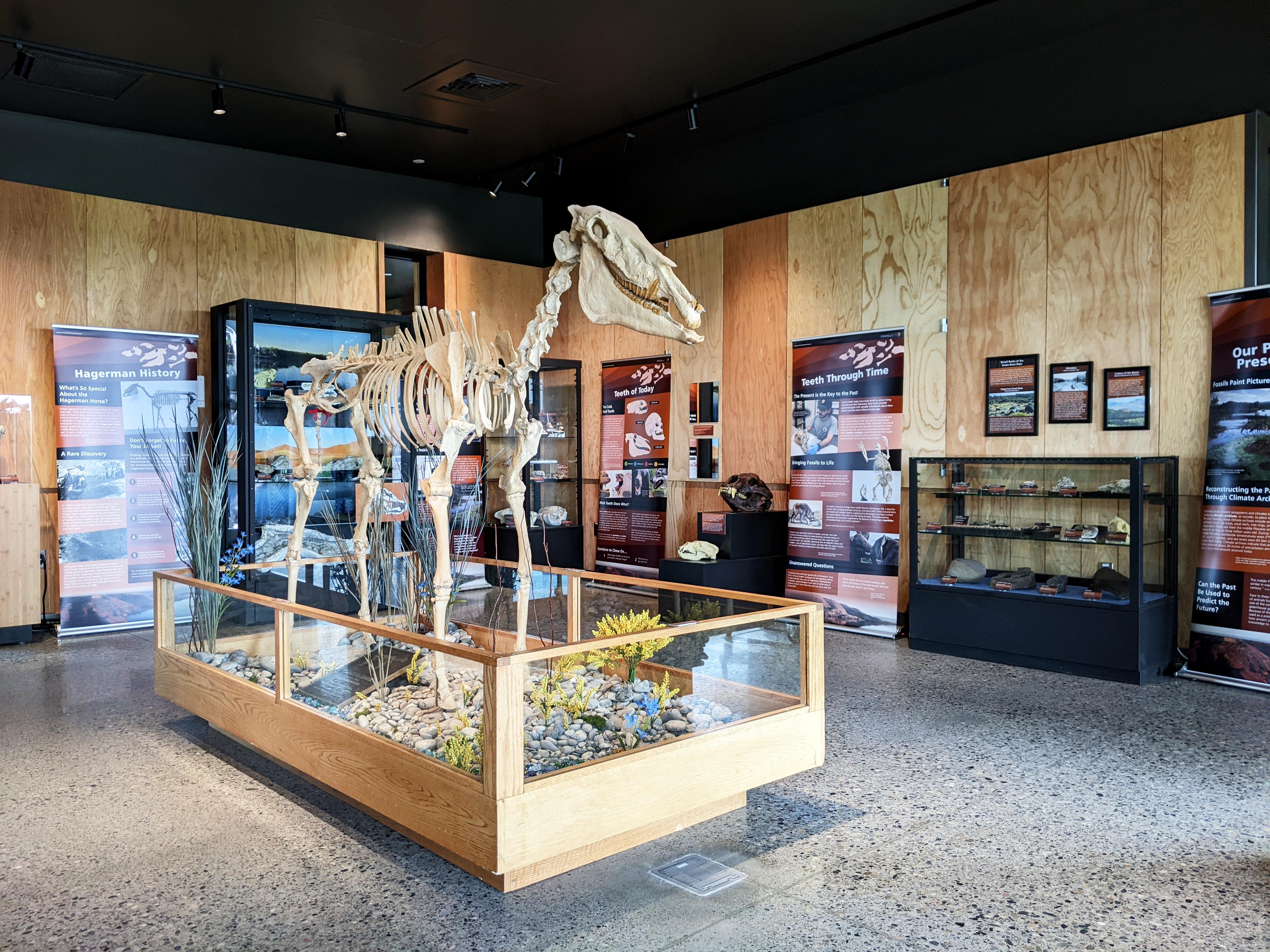
Overview
About Hagerman Fossil Beds National Monument.
During the Pliocene, this place looked quite different. Lush wetlands, forests, and grasslands provided excellent habitat for a variety of animals. From fascinating, now-extinct creatures like the saber-toothed cat, mastodon, and ground sloth, to more familiar animals like horses, beavers, and birds, the scientific study of Pliocene fossils is the key to Hagerman.
Auto and ATVScenic DrivingFoodPicnickingGuided ToursSelf-Guided Tours - WalkingHikingFront-Country HikingJunior Ranger ProgramWildlife WatchingBirdwatchingMuseum Exhibits
Weather
Hagerman, Idaho, gets 10 inches of rain per year. On average, there are 213 sunny days per year in Hagerman, Idaho. The July high is around 94 degrees. The January low is 22. Our comfort index, which is based on humidity during the hot months, is a 78 out of 100, where higher is more comfortable. The US average on the comfort index is 44.
Gallery
Photos of Hagerman Fossil Beds National Monument.
5 images
Things to do
Discover Hagerman Fossil Beds National Monument.
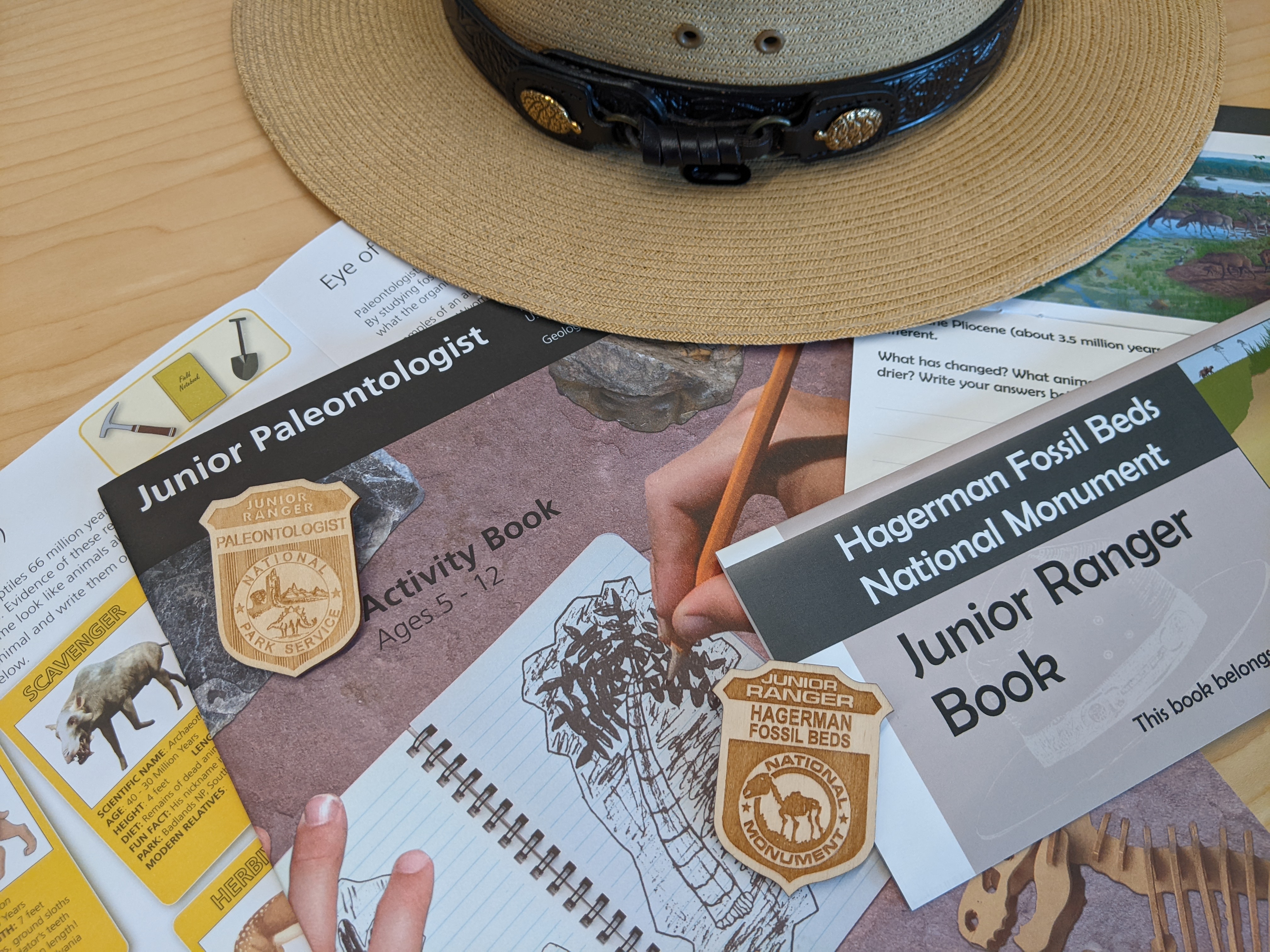
Become a Hagerman Fossil Beds Junior Ranger
Visitors of all ages and abilities can become a Hagerman Fossil Beds Junior Ranger.
Learn more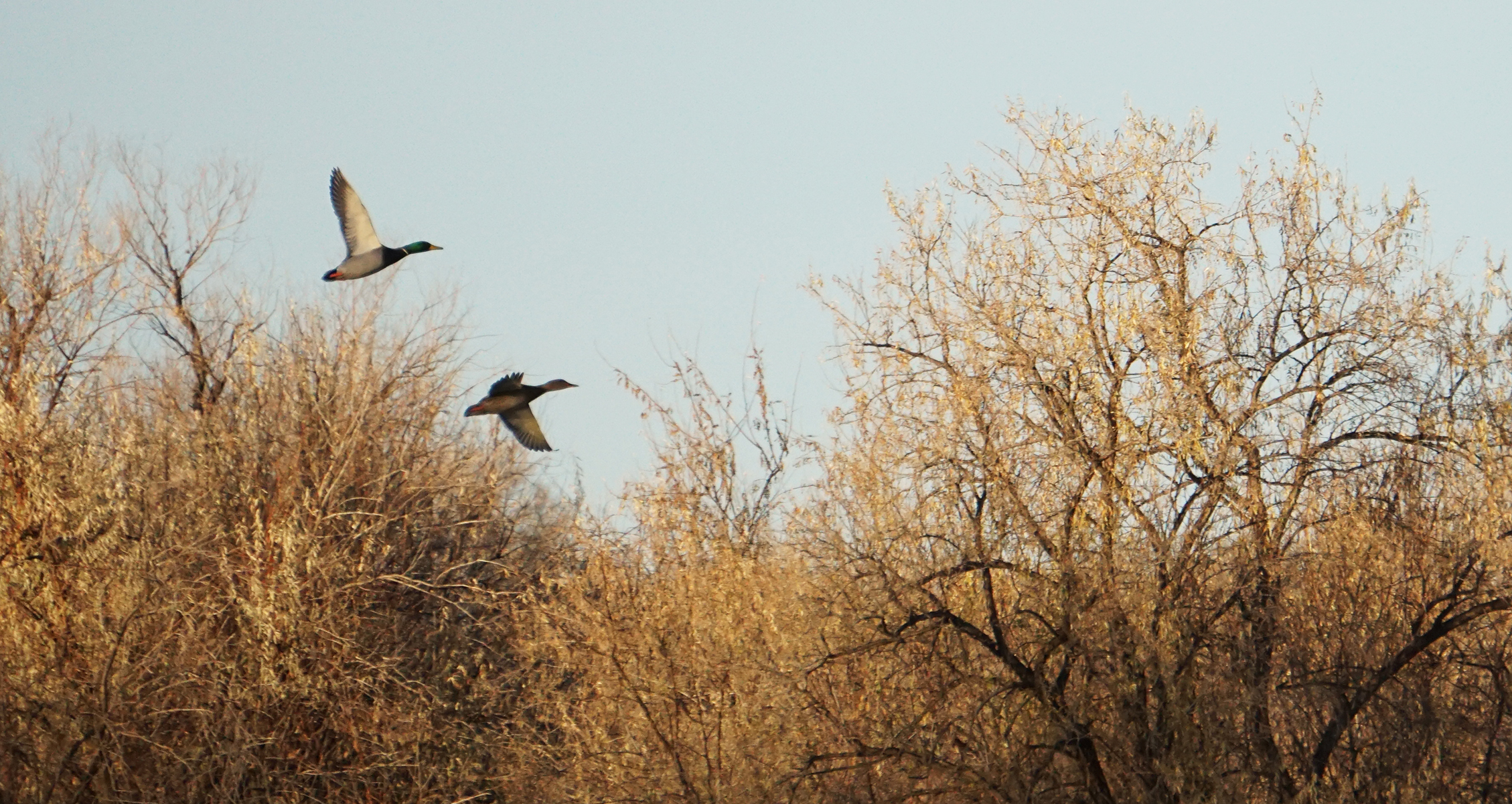
Birding in the Hagerman Valley
The Hagerman Valley is one of the most popular birding destinations in southern Idaho.
Learn more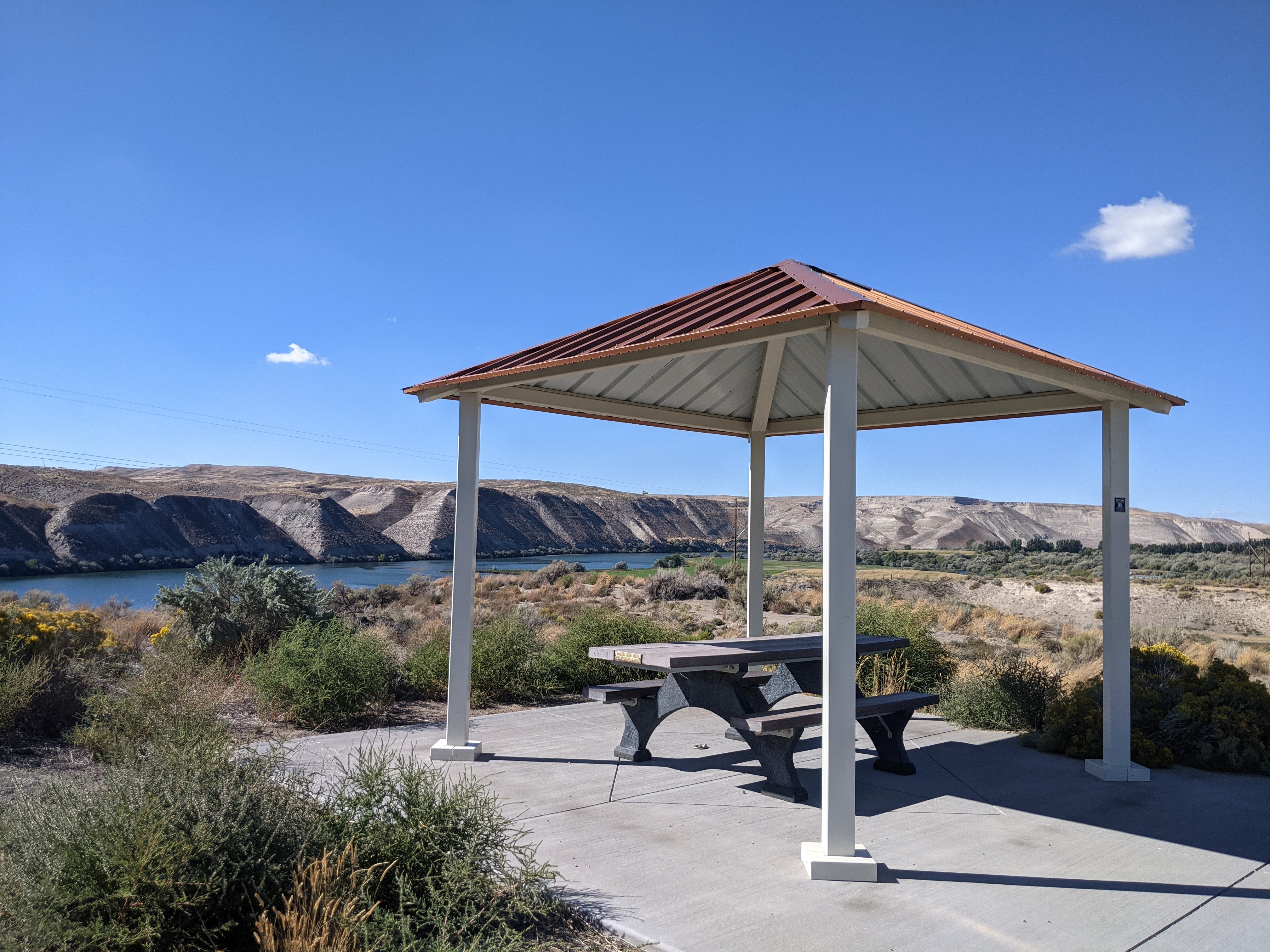
Enjoy a Picnic
Pack up a meal to enjoy with friends or family at a covered picnic shelter along the park road.
Learn more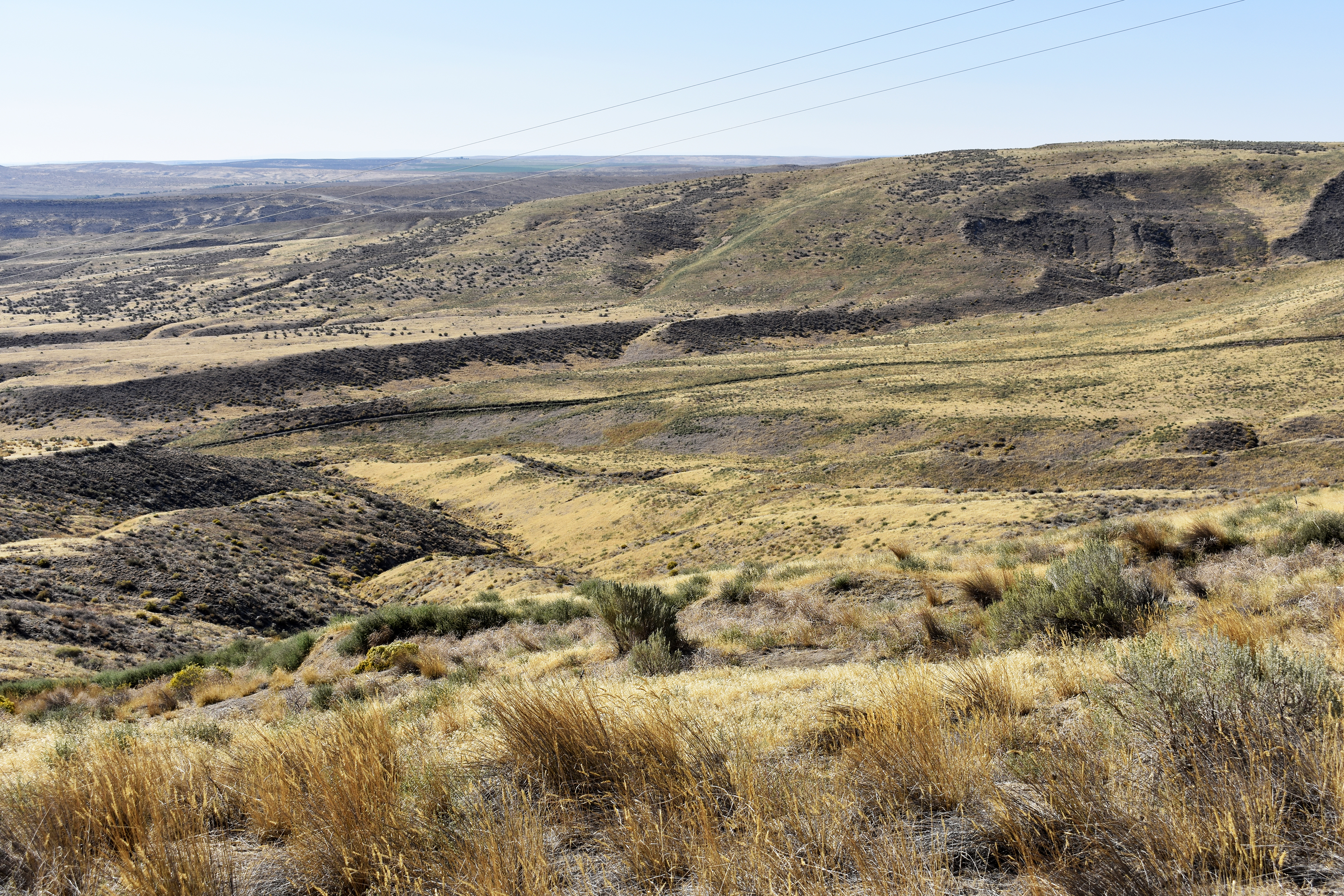
Hike the Emigrant Trail
The Emigrant Trail roughly parallels visible remnants of the Oregon Trail, capturing some of the experience of mid-1800s emigrants moving West.
Learn more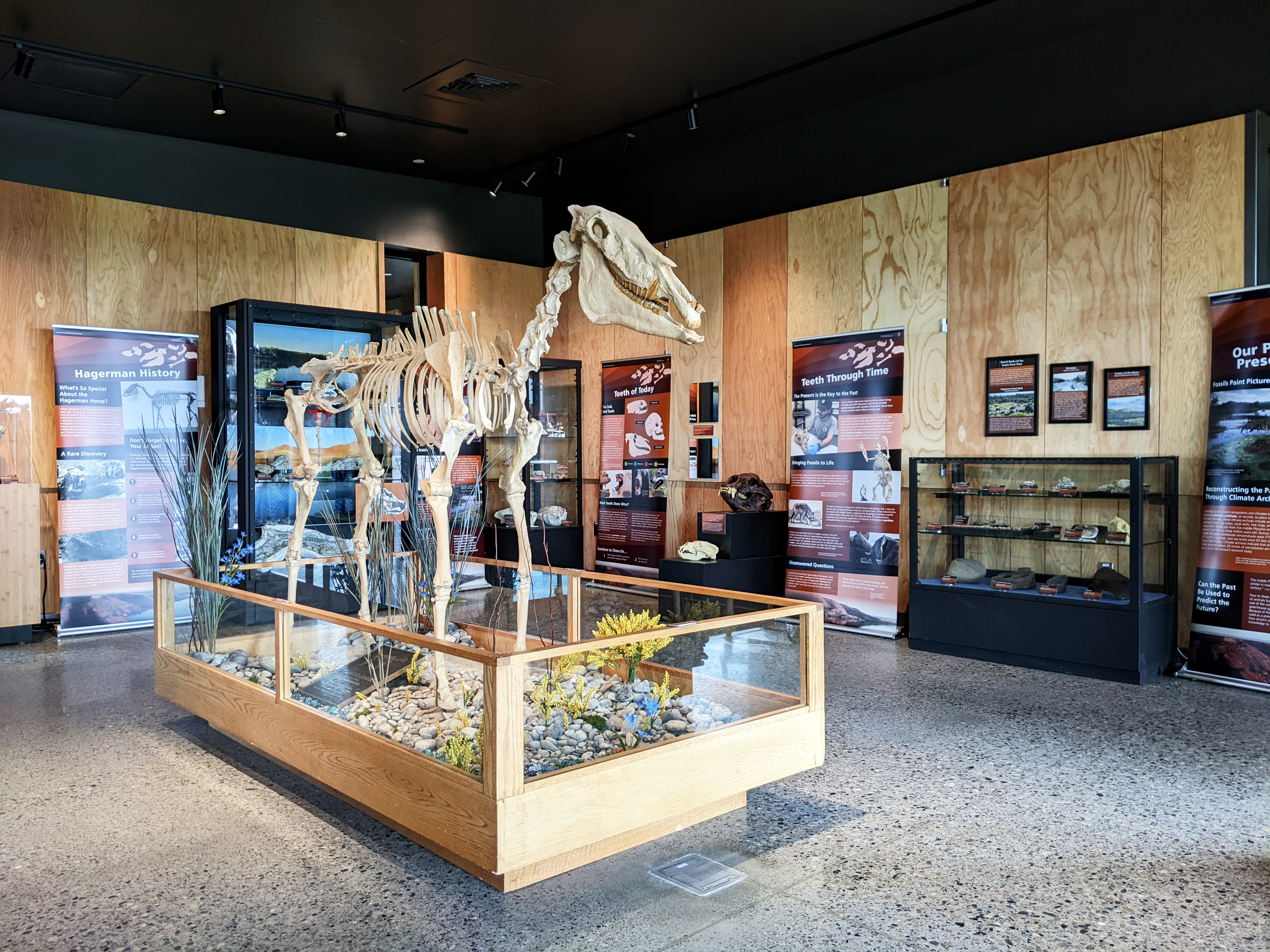
See Fossils on Display
See fossils on display and learn about Hagerman's contributions to the science of paleontology.
Learn more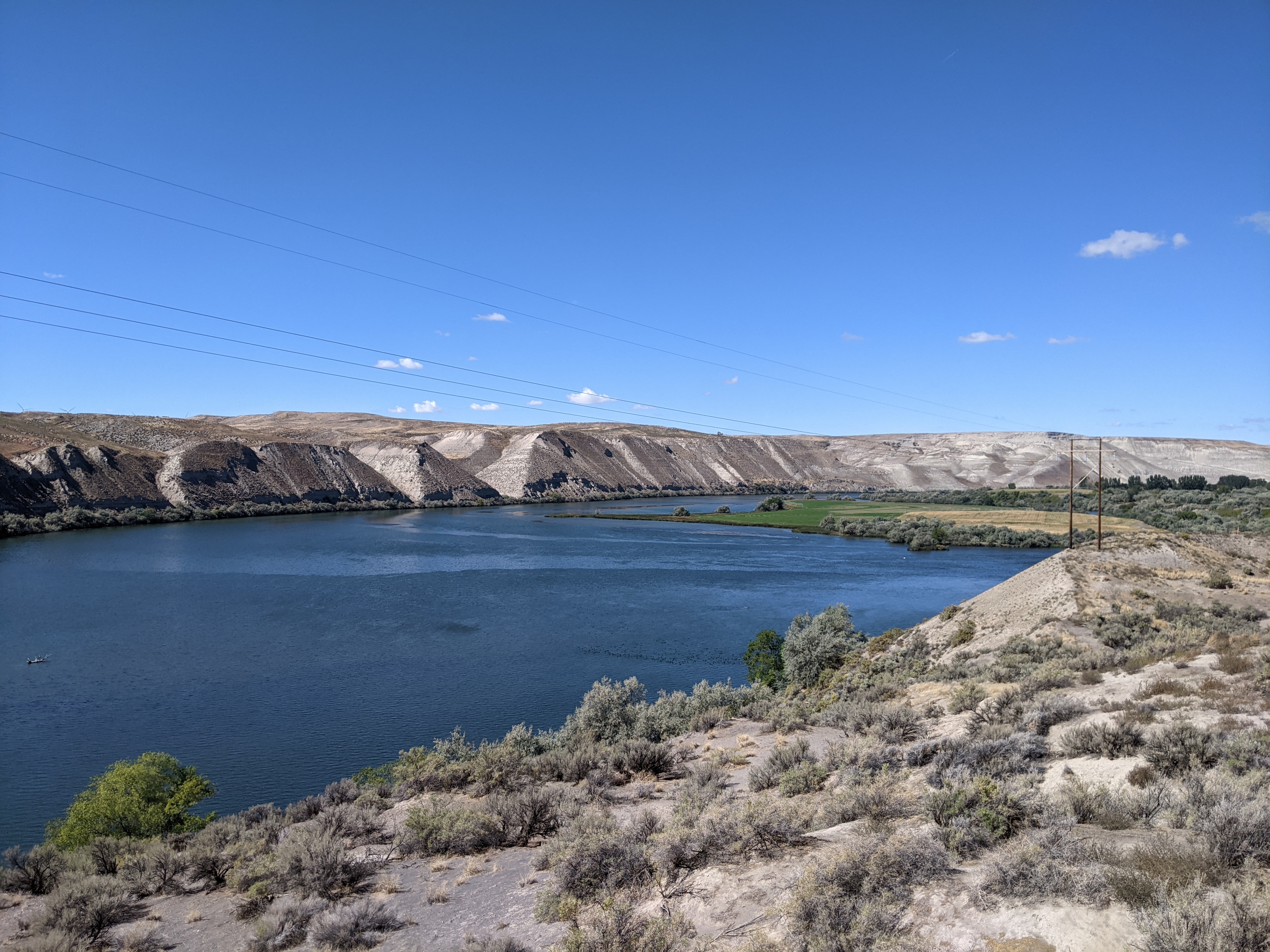
Take a Scenic Drive
Take in stunning views of the Snake River, the fossil beds, and the Hagerman Valley along five miles of park road. Stop at the Snake River and Oregon Trail Overlooks for scenic viewpoints and educational exhibits.
Learn moreNo reviews yet. Be the first to share your experience!
Know a great spot near Hagerman Fossil Beds National Monument?
Help visitors discover the best local businesses near Hagerman Fossil Beds National Monument. List your business on Poyst and reach thousands of travelers.
- ✓Free business listing with photos & reviews
- ✓Appear in destination & city guides
- ✓Analytics dashboard to track visibility