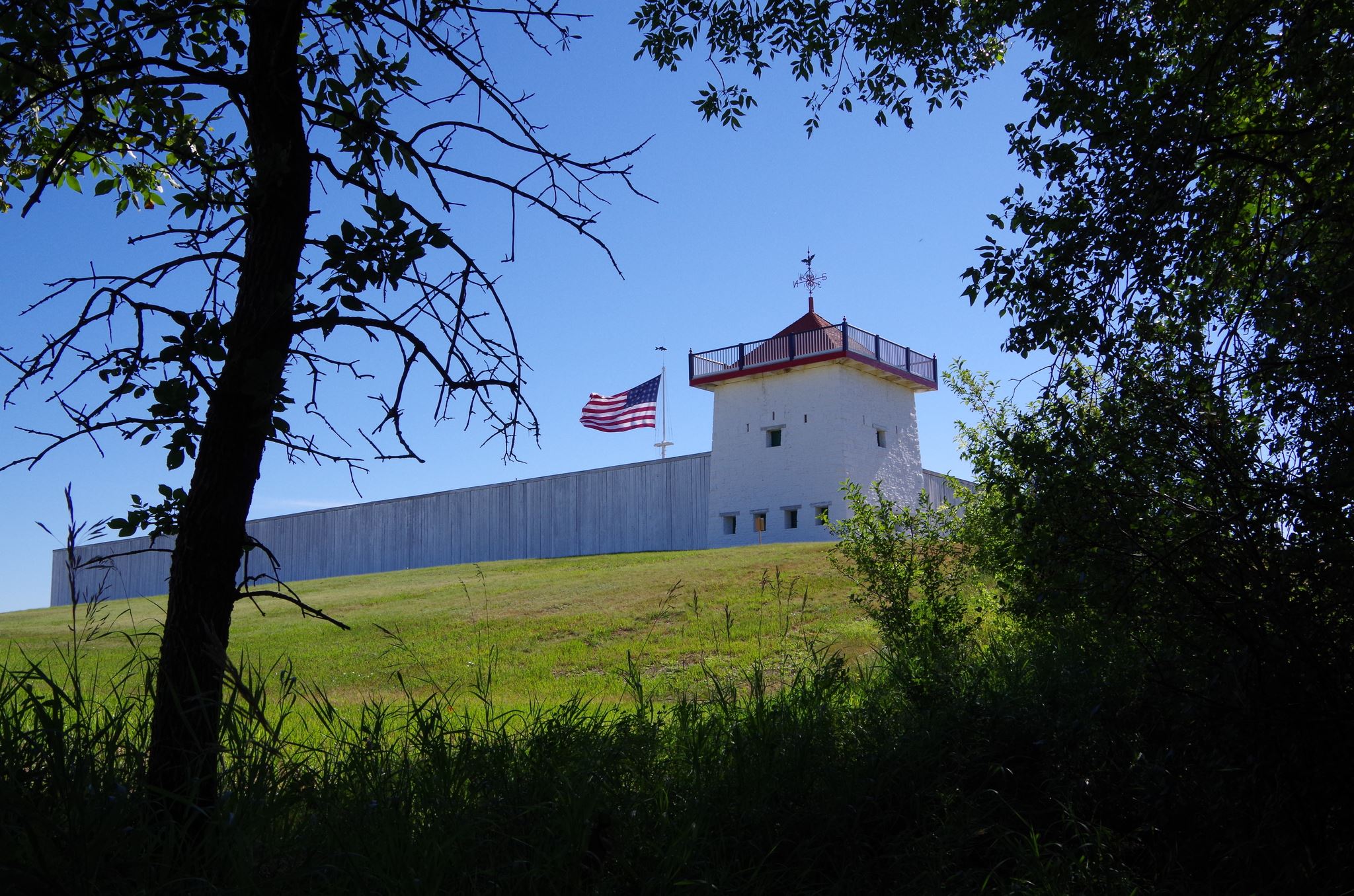
Overview
About Fort Union Trading Post National Historic Site.
Between 1828 and 1867, Fort Union was the most important fur trade post on the Upper Missouri River. Here, the Assiniboine and six other Northern Plains Tribes exchanged buffalo robes and smaller furs for goods from around the world, including cloth, guns, blankets, and beads. A bastion of peaceful coexistence, the post annually traded over 25,000 buffalo robes and $100,000 in merchandise.
Arts and CultureCraft DemonstrationsCultural DemonstrationsGuided ToursSelf-Guided Tours - WalkingLiving HistoryReenactmentsHistoric Weapons DemonstrationJunior Ranger ProgramPark FilmMuseum ExhibitsShopping
Weather
Weather in western North Dakota can be harsh, with extremes in temperature and sudden, violent storms. Be prepared for rapidly changing conditions. Summers are warm with average high temperatures in the 80s-90s May through September. Winters are cold with average lows in the single digits December through February. Wind is considerable year-round. Conditions can change quickly. Travelers should be aware of the potential for violent thunderstorms in the summer and the possibility of blizzards.
Gallery
Photos of Fort Union Trading Post National Historic Site.
5 images
Things to do
Discover Fort Union Trading Post National Historic Site.
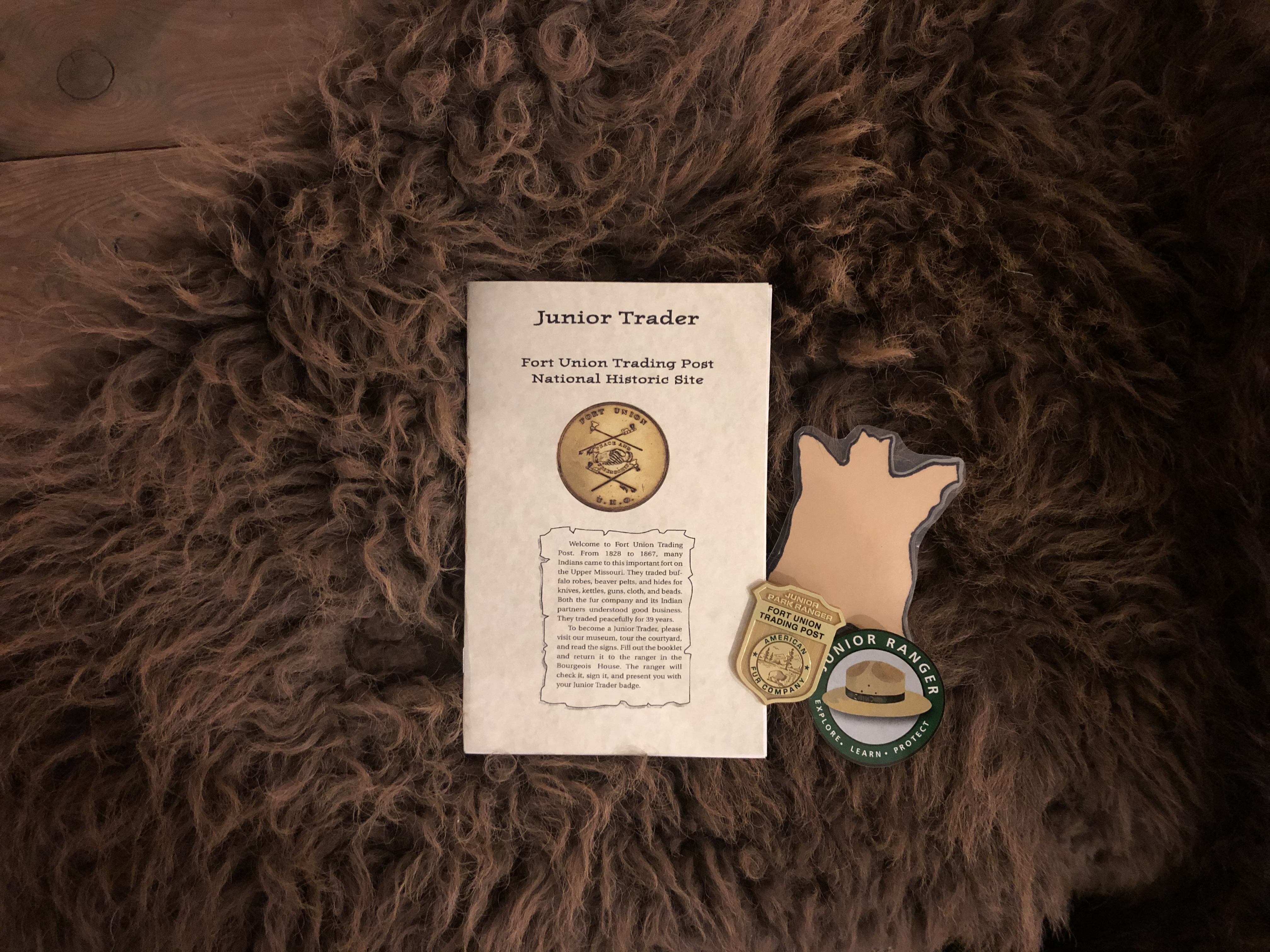
Become a Jr. Ranger and Jr. Trader at Fort Union
30-90 MinutesKids of all ages are invited to explore Fort Union Trading Post NHS through the Junior Ranger & Junior Trader programs! Pick up a free Junior Ranger booklet at the Bourgeois House Visitor Center. The program typically takes around 1 hour to complete.
Learn more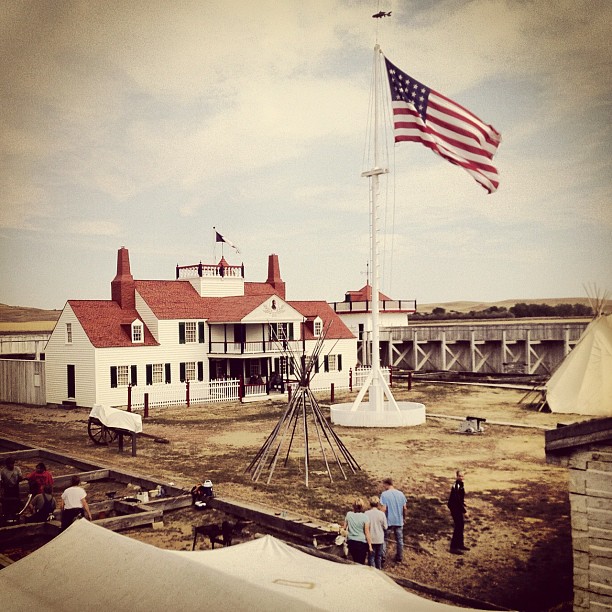
Tour Fort Union Trading Post
30-120 MinutesTour through history as you explore Fort Union Trading Post NHS. .
Learn more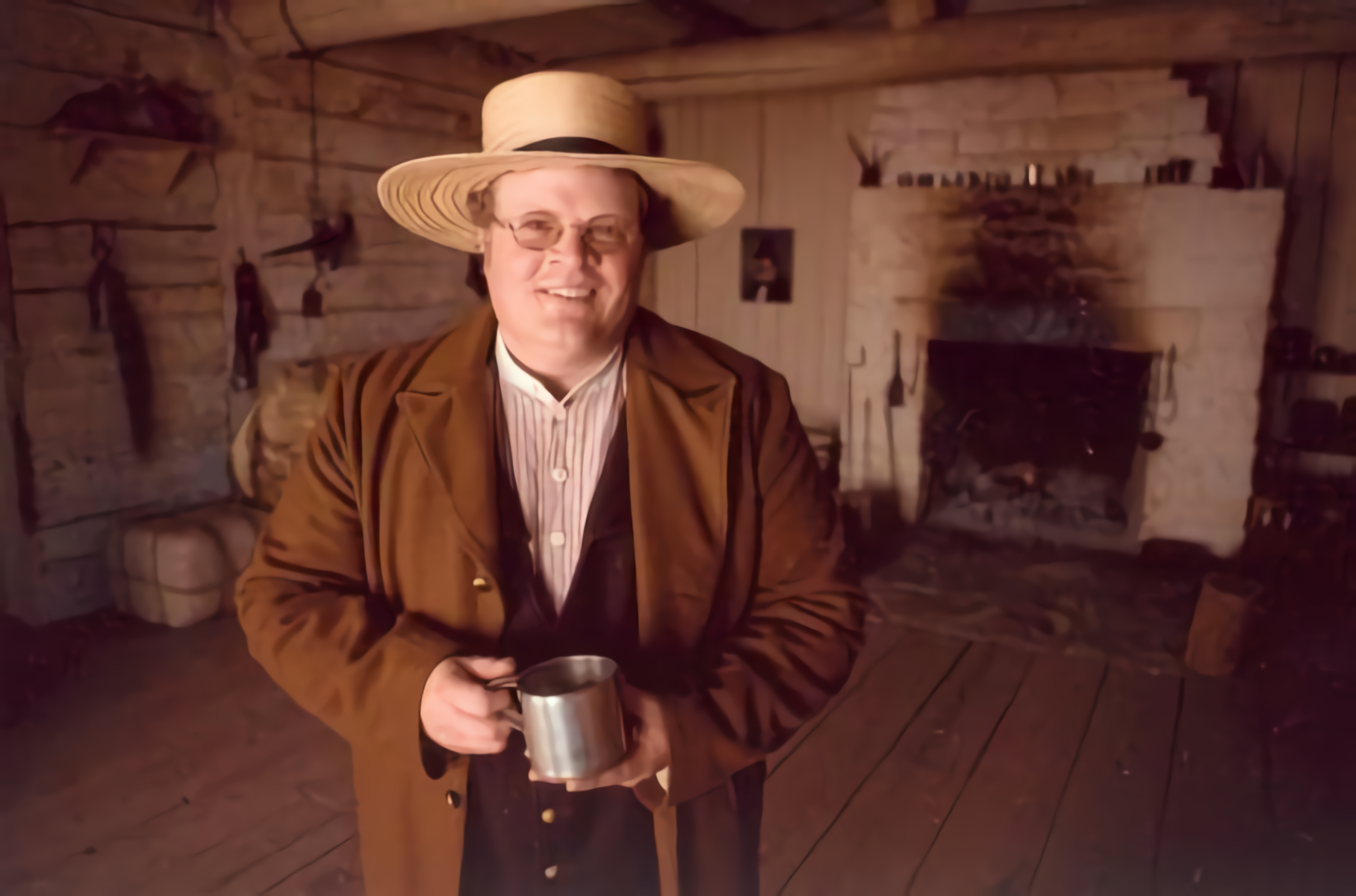
Visit Fort Union's Trade House
5-30 MinutesThe Trade House was one of the most important buildings at Fort Union. It was in the Reception Room where Tribal leaders met with the American Fur Company Traders to discuss the terms of the trade and also where stories were told, and small feasts were held. Today it is open seasonally as a stage for third person living history interpretation.
Learn more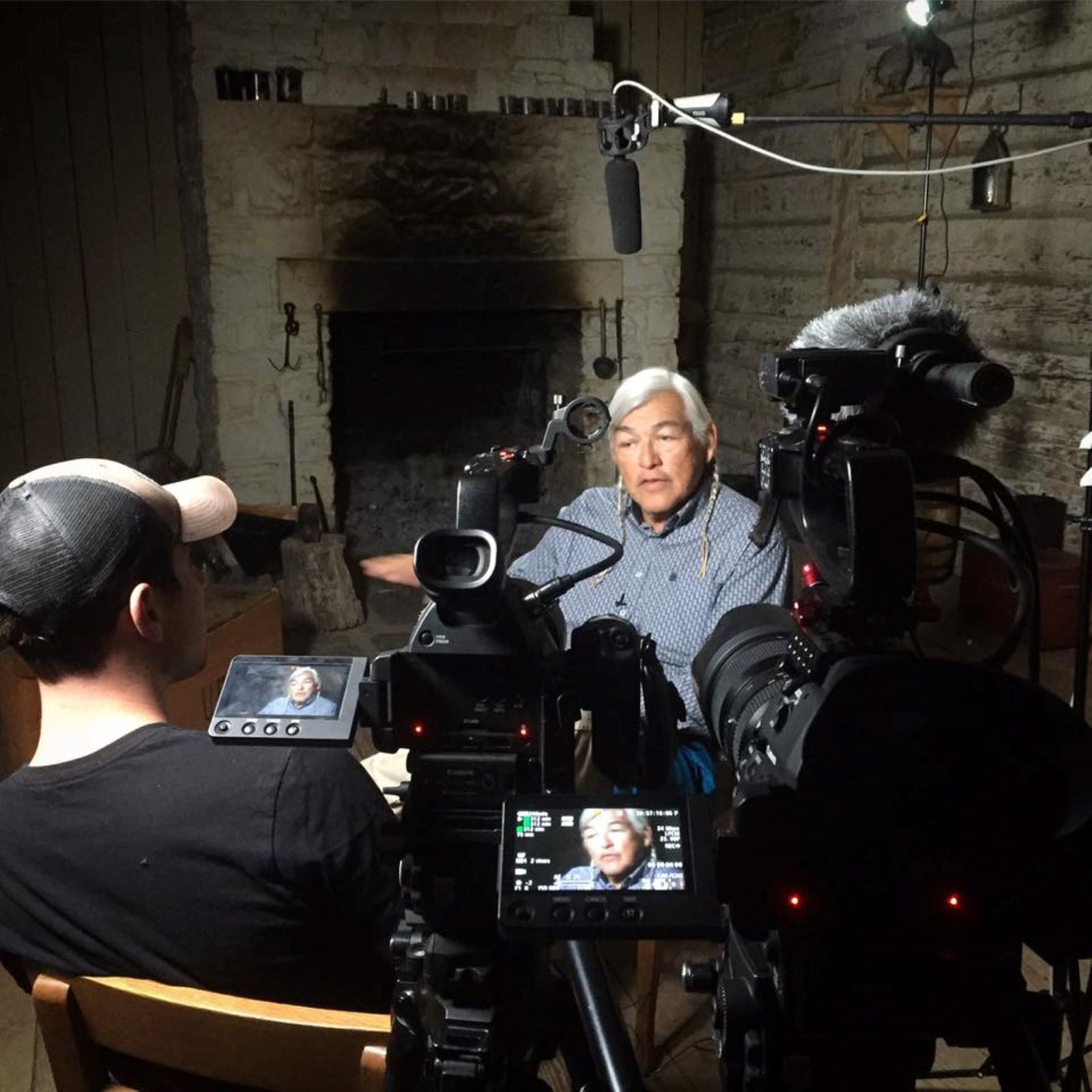
Watch the Fort Union Trading Post Orientation Film
9-9 MinutesLearn how Fort Union Trading Post became an epicenter for trade between the Assiniboine and other Northern Plains Tribes and Euro-American fur traders.
Learn moreNo reviews yet. Be the first to share your experience!
Know a great spot near Fort Union Trading Post National Historic Site?
Help visitors discover the best local businesses near Fort Union Trading Post National Historic Site. List your business on Poyst and reach thousands of travelers.
- ✓Free business listing with photos & reviews
- ✓Appear in destination & city guides
- ✓Analytics dashboard to track visibility