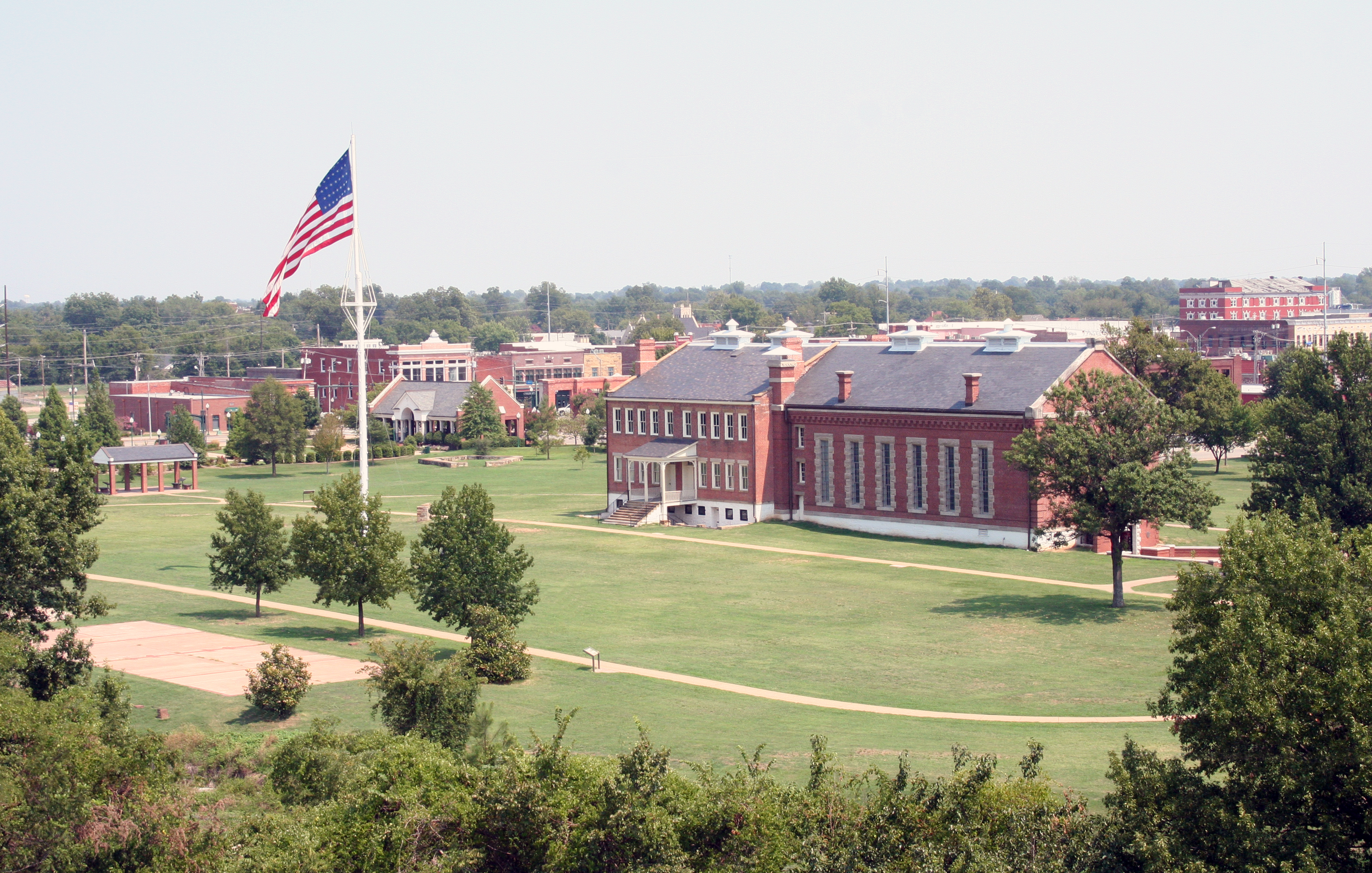
Overview
About Fort Smith National Historic Site.
Explore life on the edge of frontier and Indian Territory through the stories of soldiers, the Trail of Tears, scandals, outlaws, and lawmen who pursued them. From the establishment of the first Fort Smith on December 25, 1817, to the final days of Judge Isaac C. Parker's jurisdiction over Indian Territory in 1896, Fort Smith National Historic Site preserves almost 80 years of history.
Guided ToursSelf-Guided Tours - WalkingJunior Ranger ProgramPark FilmMuseum ExhibitsShoppingBookstore and Park Store
Weather
Fort Smith weather includes four distinct, yet temperate seasons. Spring and fall are usually mild while late summer is hot and humid. During winter months, temperatures occasionally dip into the teens. Forecast often changes dramatically due to surrounding weather influences. Arkansas's central location allows weather systems from all directions to influence its climate. The area is prone to flash flooding and river flooding in rainy seasons.
Gallery
Photos of Fort Smith National Historic Site.
9 images
Things to do
Discover Fort Smith National Historic Site.
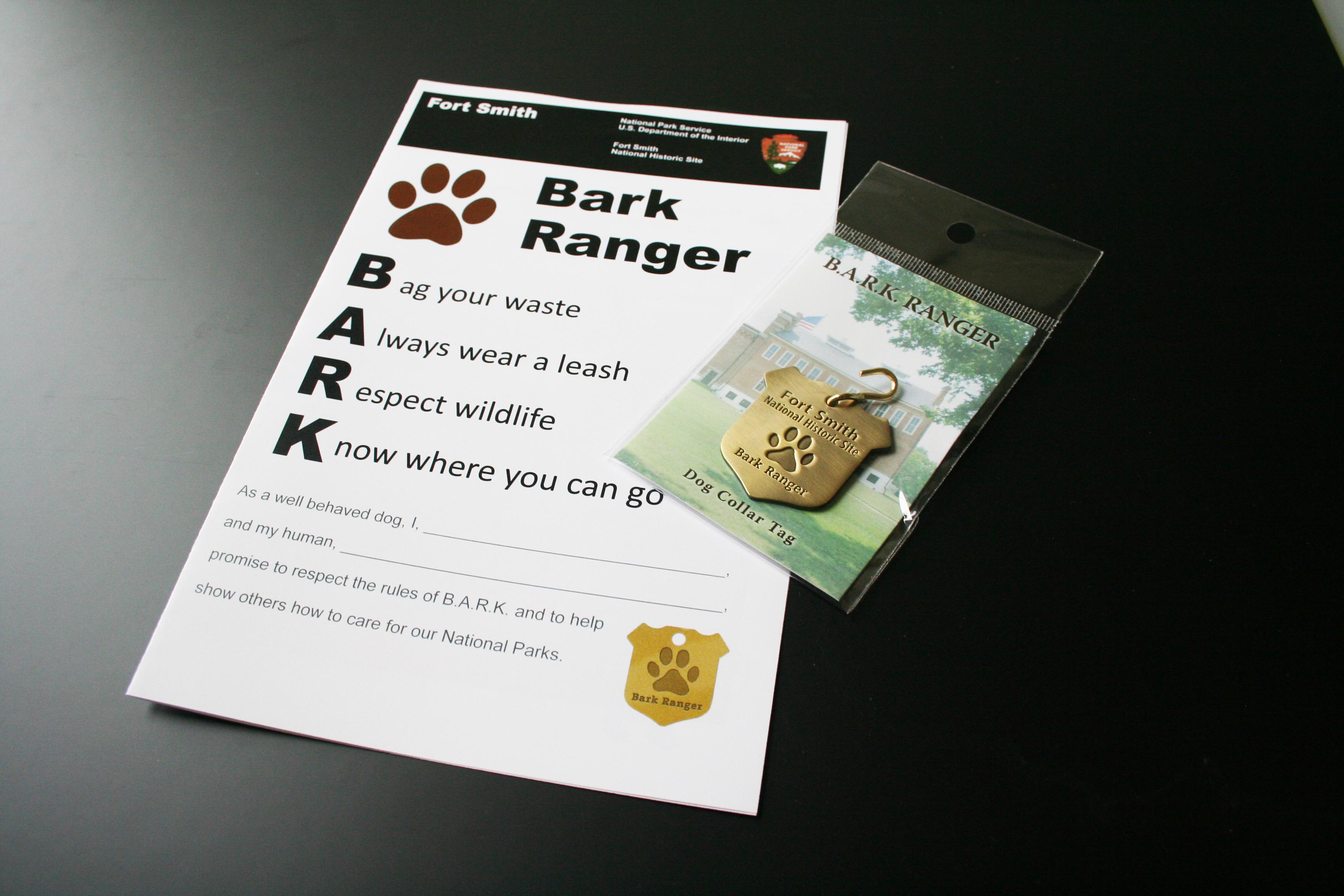
Become a Fort Smith BARK Ranger
10-30 MinutesComplete the Fort Smith BARK Ranger booklet so your pet can become an official BARK Ranger!
Learn more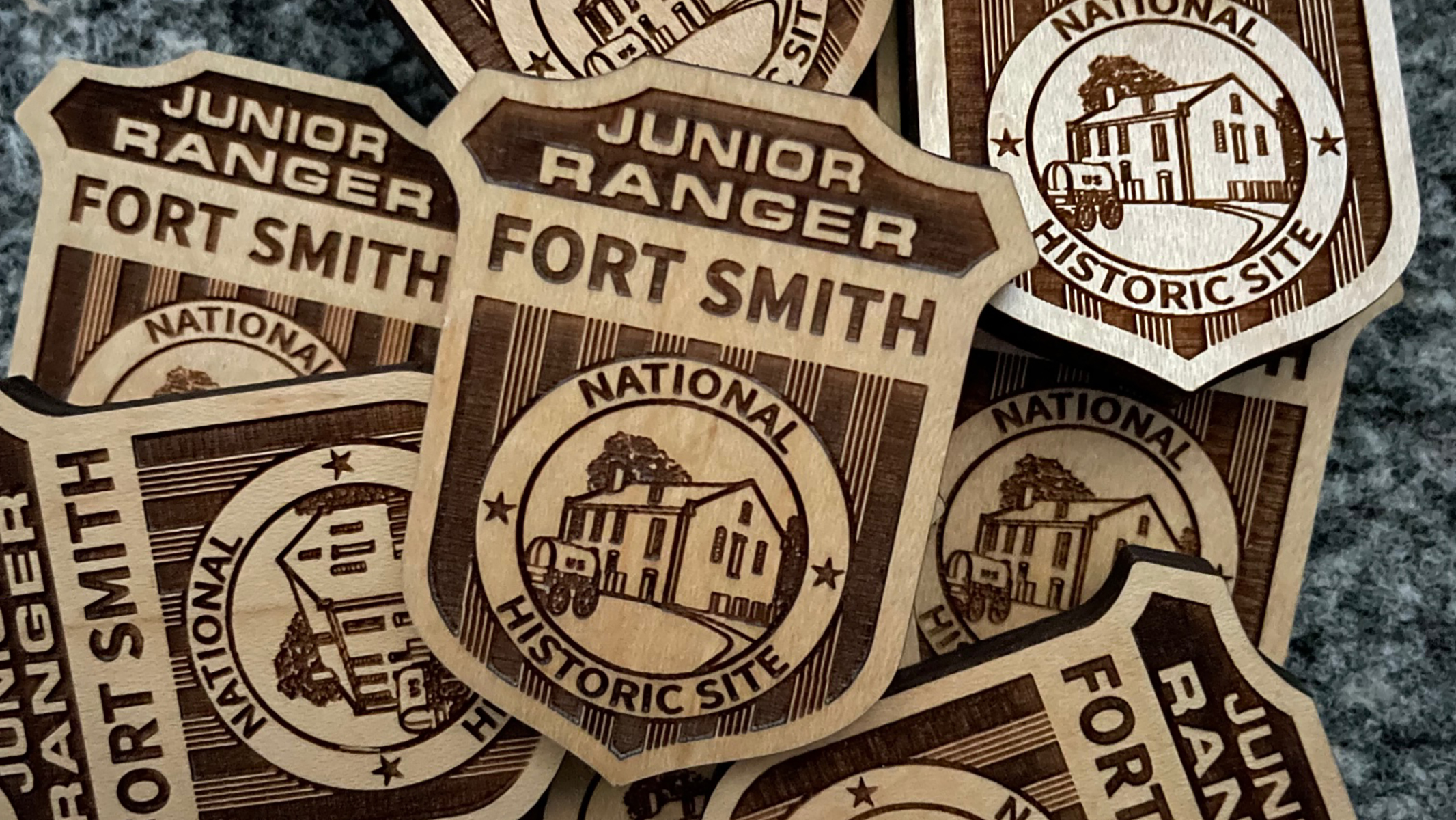
Become a Fort Smith Junior Ranger
45-60 MinutesComplete a Junior Ranger booklet to earn an official Fort Smith Junior Ranger badge!
Learn more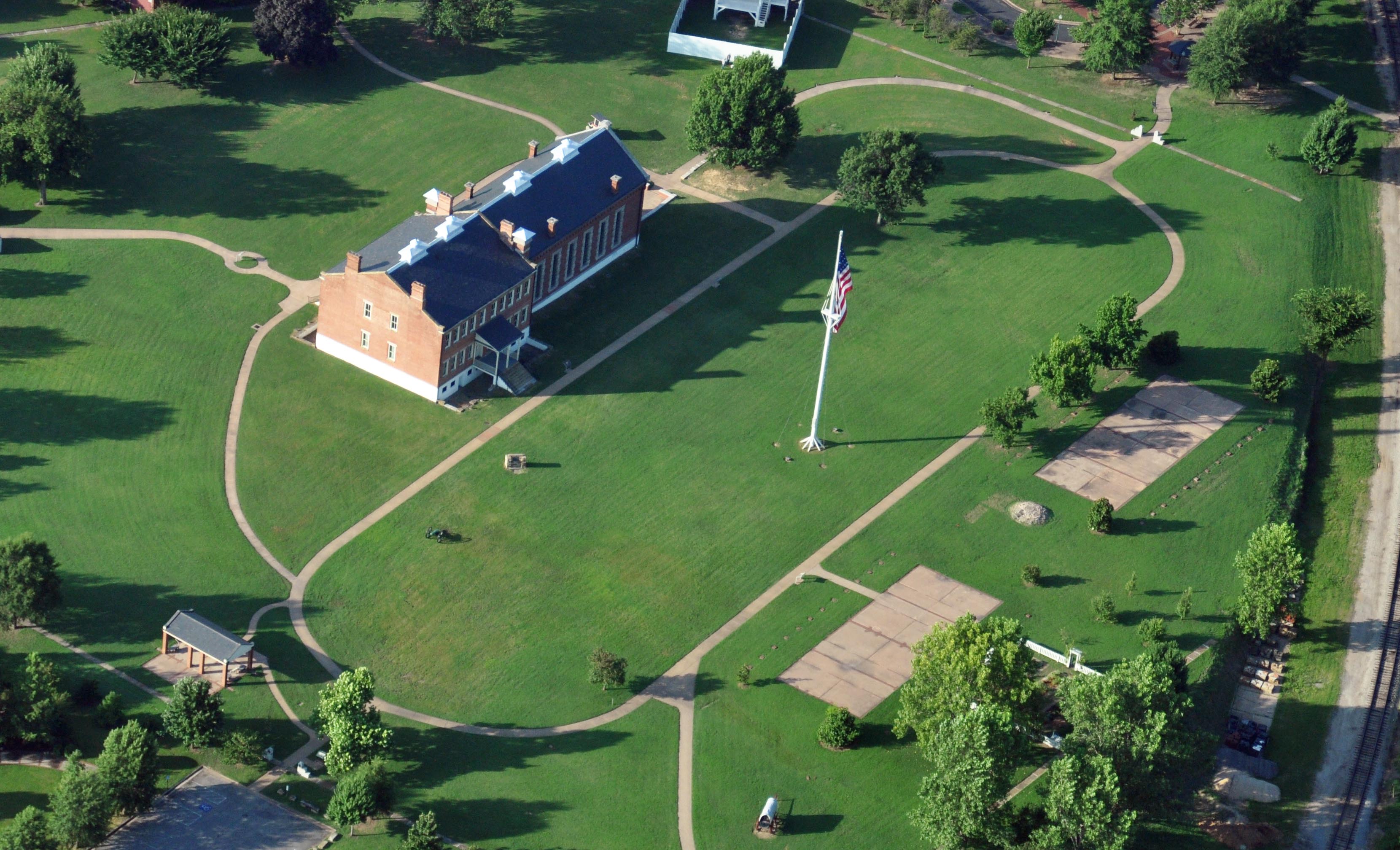
Explore the Parade Ground
30-45 MinutesThe loop around the Parade Ground is one quarter of a mile. It was the center of life at the fort from 1838 - 1871.
Learn more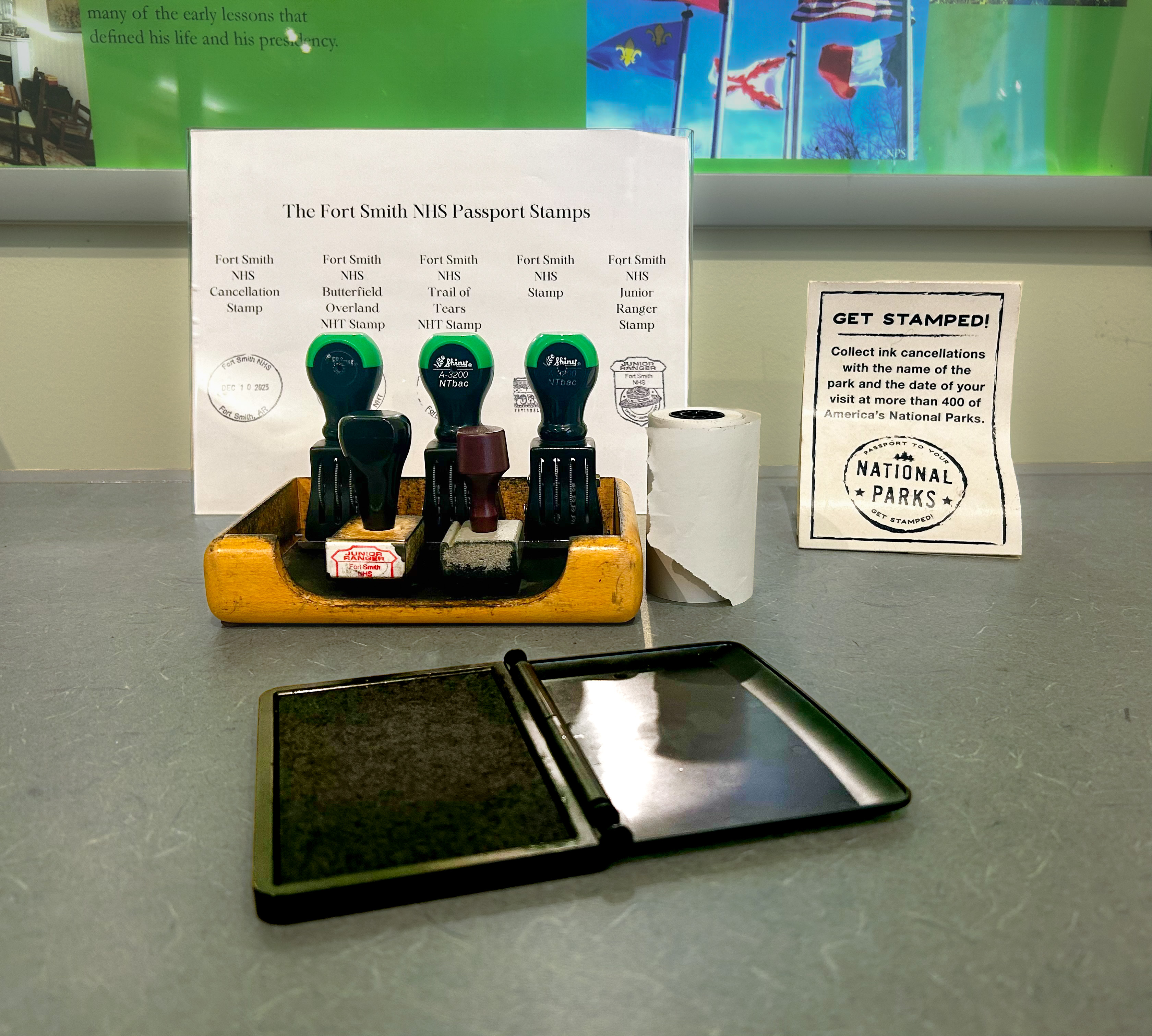
Park Passport Stamps at Fort Smith NHS
2-15 MinutesStamp your passport! Stamps are available inside the visitor center lobby at Fort Smith National Historic Site.
Learn more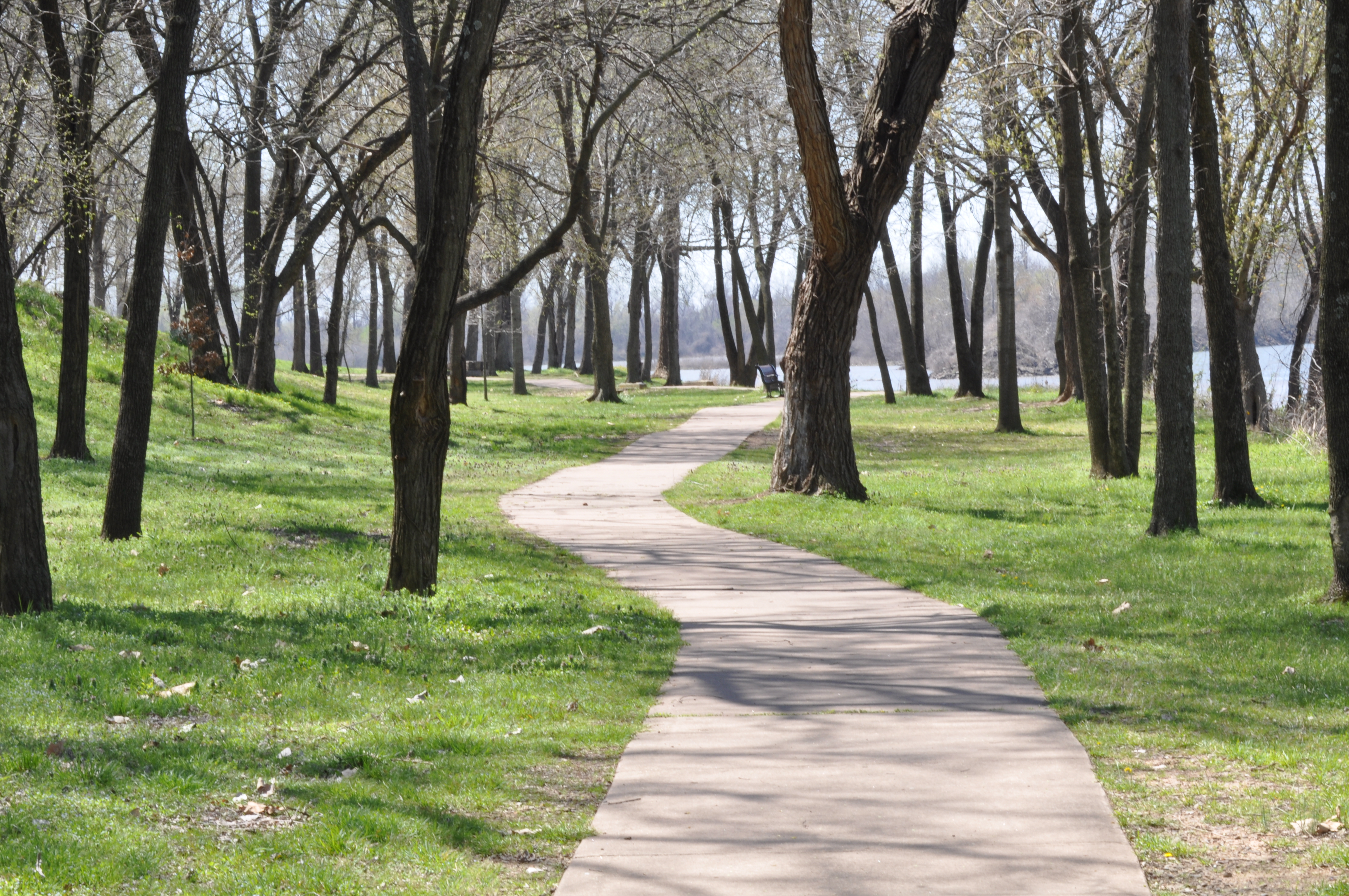
Walk the River Loop Trail
30-60 MinutesThe trail is open year round. No access to the river. No water or restrooms are located along the trail.
Learn moreNo reviews yet. Be the first to share your experience!
Know a great spot near Fort Smith National Historic Site?
Help visitors discover the best local businesses near Fort Smith National Historic Site. List your business on Poyst and reach thousands of travelers.
- ✓Free business listing with photos & reviews
- ✓Appear in destination & city guides
- ✓Analytics dashboard to track visibility